Map Demand to Seasons Before Signing Contracts
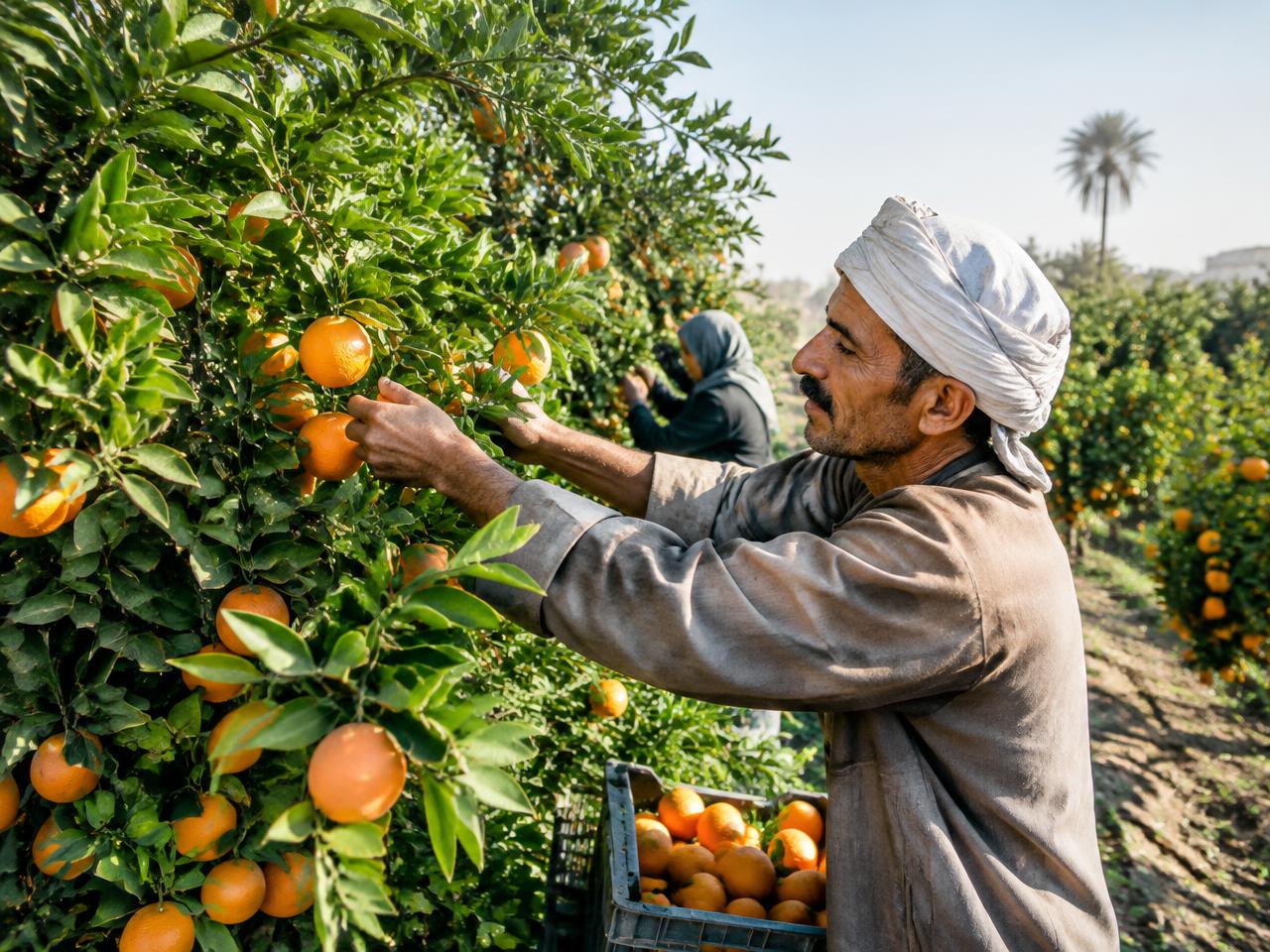
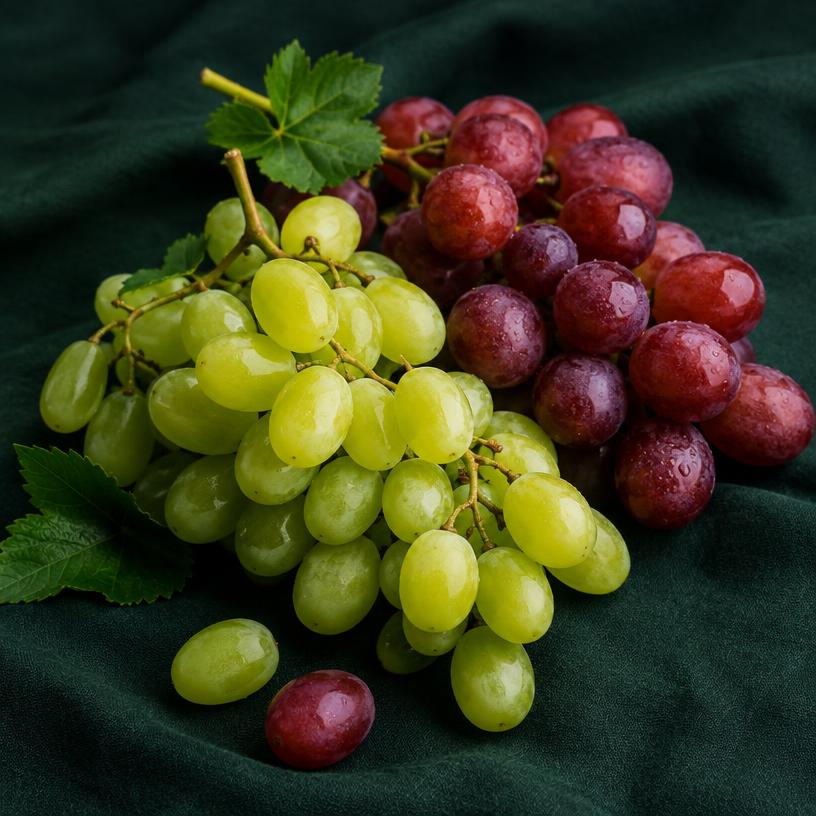
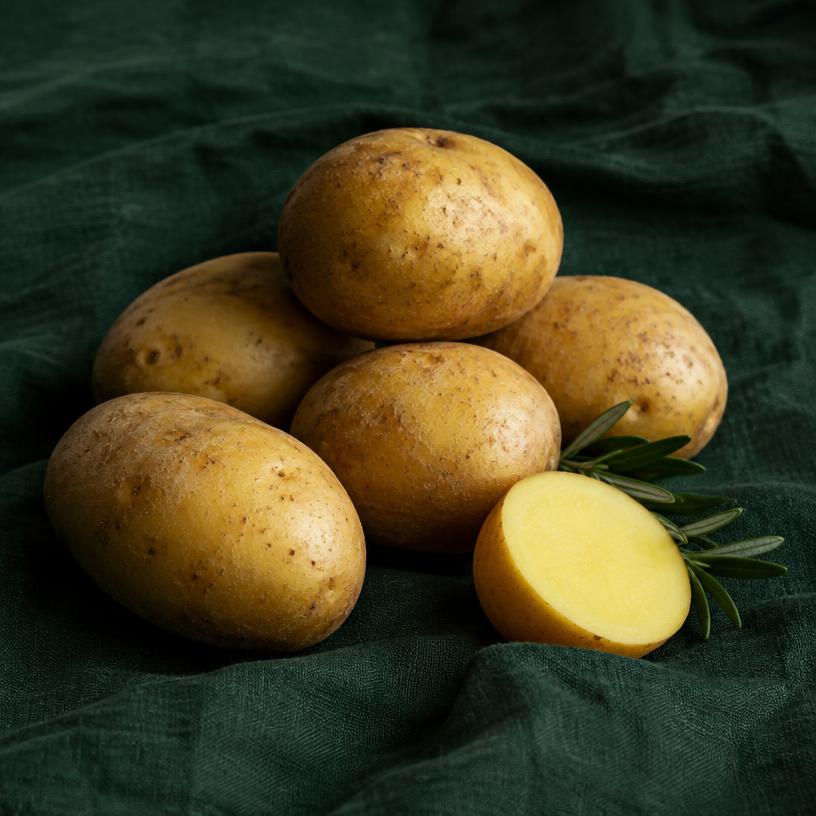
Start with an annual calendar for every commodity you sell, marking peak windows and likely gaps. Potatoes, onions and garlic are within Al Arabiya’s catalog, but availability varies by season and variety, so never assume year-round continuity.
Plan acceptable substitutes and agree their specifications with customers. /export-markets can guide research, but final decisions should rest on confirmed supplier availability, not expectations.
Qualify More Than One Bulk Vegetable Supplier
Keep a shortlist of qualified suppliers per product group and review it periodically. Even a dependable supplier can face seasonal pressure; a ready alternative is insurance, not disloyalty.
When assessing a candidate, send the same specification brief and score replies against the same criteria: product scope, seasons, sorting, packing and document readiness. Keep results in one file for decisions.
Standardise Specifications and Packaging Across Shipments
Variation between shipments is what confuses warehouses and customers. Write a reference specification for each commodity covering grade, size, carton weight, unit count and marking, then attach it to every order rather than describing the product again.
Review /packaging and agree carton and pallet layout before the first shipment. Label rules differ by market, so confirm wording and markings in writing.
Protect Quality Along the Cold Chain
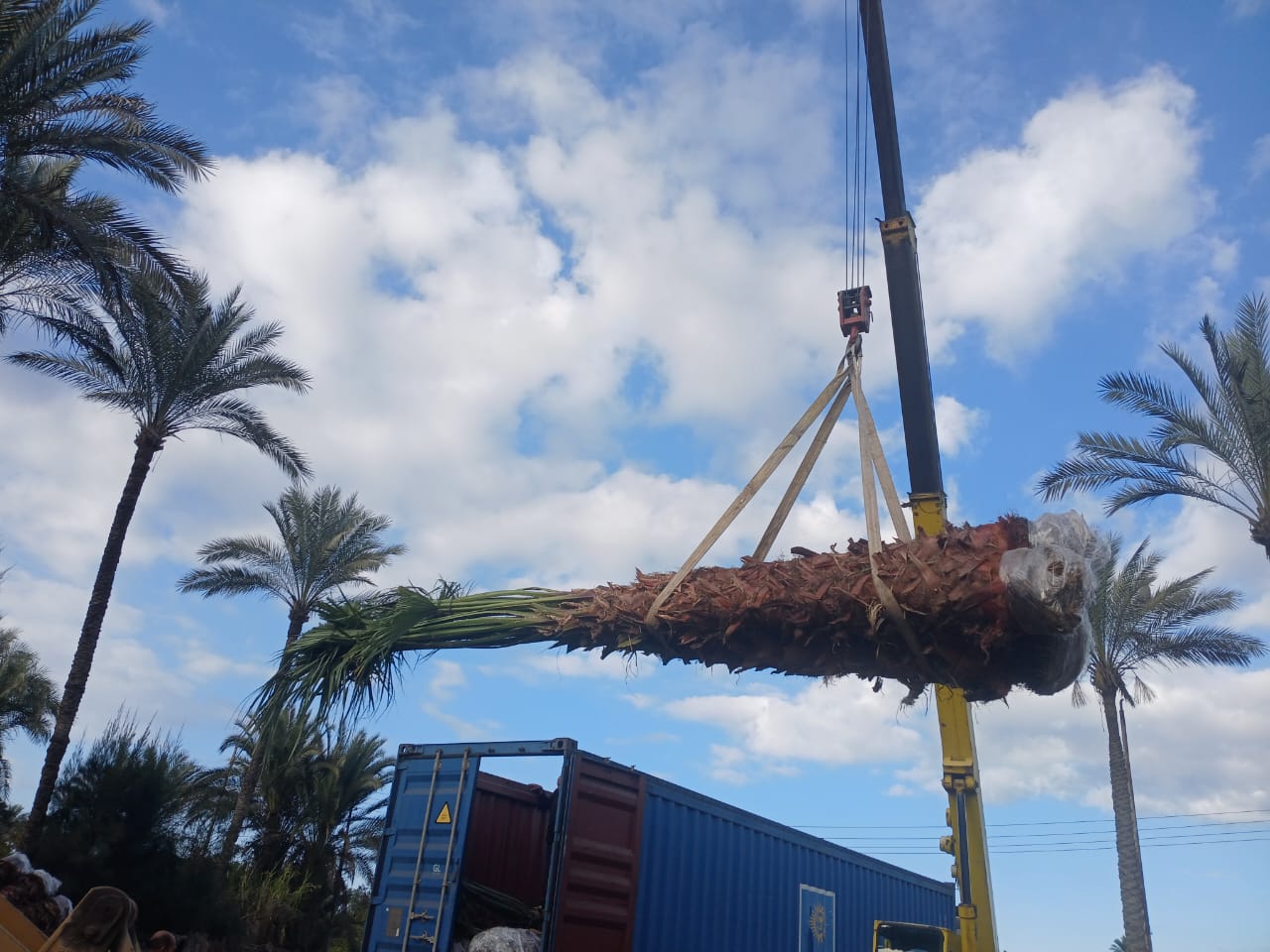
The cold chain starts before loading and ends when goods are received at the warehouse. Define who owns each stage: harvesting, pre-cooling, storage, loading and transit. Any gap shows up directly in fruit condition on arrival.
Ask for reviewable temperature records and clear steps when the range is breached. /export-process describes the workflow; Fresh Produce Cold Chain Logistics helps frame procedures for your network.
Plan Terms, Documents and Arrivals Together
Treat the Incoterm and paperwork as part of the schedule. Who books freight? Who provides the origin or phytosanitary certificate where required? Put these in one timeline before booking to avoid port delays.
Agree the document list per commodity with your broker, then share it with the supplier early. Use /contact to confirm what an export offer includes, fixing details in writing before committing.
Review Performance and Make Improvement Routine
Use simple indicators per shipment: specification match, arrival condition, document accuracy, timing and response speed when an issue arises. Review these figures with the supplier at fixed intervals instead of waiting for a crisis.
Record what improved and adjust the supplier list and specifications accordingly. A reliable chain is not problem-free; it detects issues early and handles them with clear data and communication.
Frequently Asked Questions
- Why is one supplier not enough for wholesale?
- Because availability changes with season and variety and capacity pressure can occur. A shortlist of qualified suppliers gives you a ready alternative without lowering quality standards.
- Where do wholesale shipments most often get delayed?
- Often at mismatched documents or a missing certificate required by the destination. Prepare the written list with your broker before shipping and review every file before loading.
- How do I start a new supply chain without taking big risks?
- Start with a limited set of commodities and suppliers, review each shipment’s results, then expand gradually once quality, documentation and timing prove consistent.
Conclusion
A reliable supply chain is built through small, repeated decisions: a seasonal calendar, qualified suppliers, written specifications, temperature control and regular reviews. Structure turns surprises into improvable feedback. Al Arabiya offers confirmed harvesting, grading, packing, cold storage and export coordination services; buyers can call +20 10 63300028 to discuss needs, confirming availability and market terms before ordering.