Write the Buyer’s Brief First
A supplier cannot be assessed without a fixed benchmark. Define the commodity, grade, size, carton weight, packaging, monthly volume and arrival window, then ask every candidate the same questions. Answers become comparable instead of general impressions.
Include what is non-negotiable, such as arrival condition or sorting method. Fruit Export Quality Standards can mean different things in different markets, so tie your evaluation to your own written specification rather than generic labels.
Verify Identity, Product Scope and Seasons
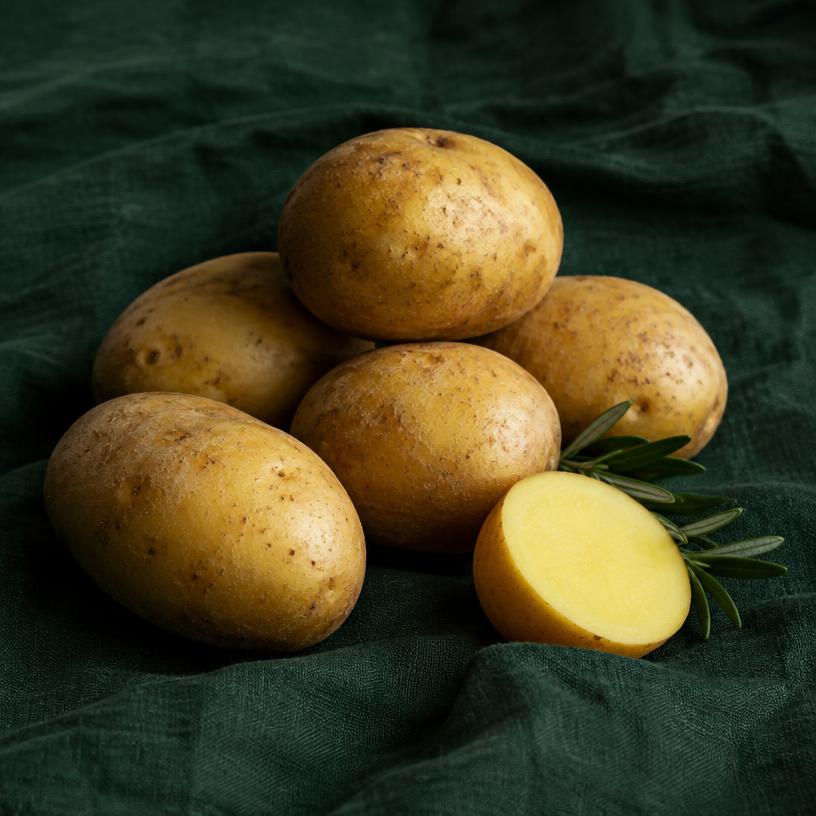
Confirm the legal identity of the party you will contract with and its official contact details, then compare the product list to your needs. Al Arabiya’s catalog includes oranges, grapes, mangoes, guava, persimmon, peaches, pomegranates, strawberries, lemons, dates, potatoes, onions, garlic, tomatoes, peppers, green beans and ornamental palms.
Listing a commodity does not mean it is available year-round. Availability varies by season and variety, so request a clear calendar and acceptable alternatives, then record the answer in the supplier file.
Assess a Fresh Produce Exporter’s Handling and Cold Chain
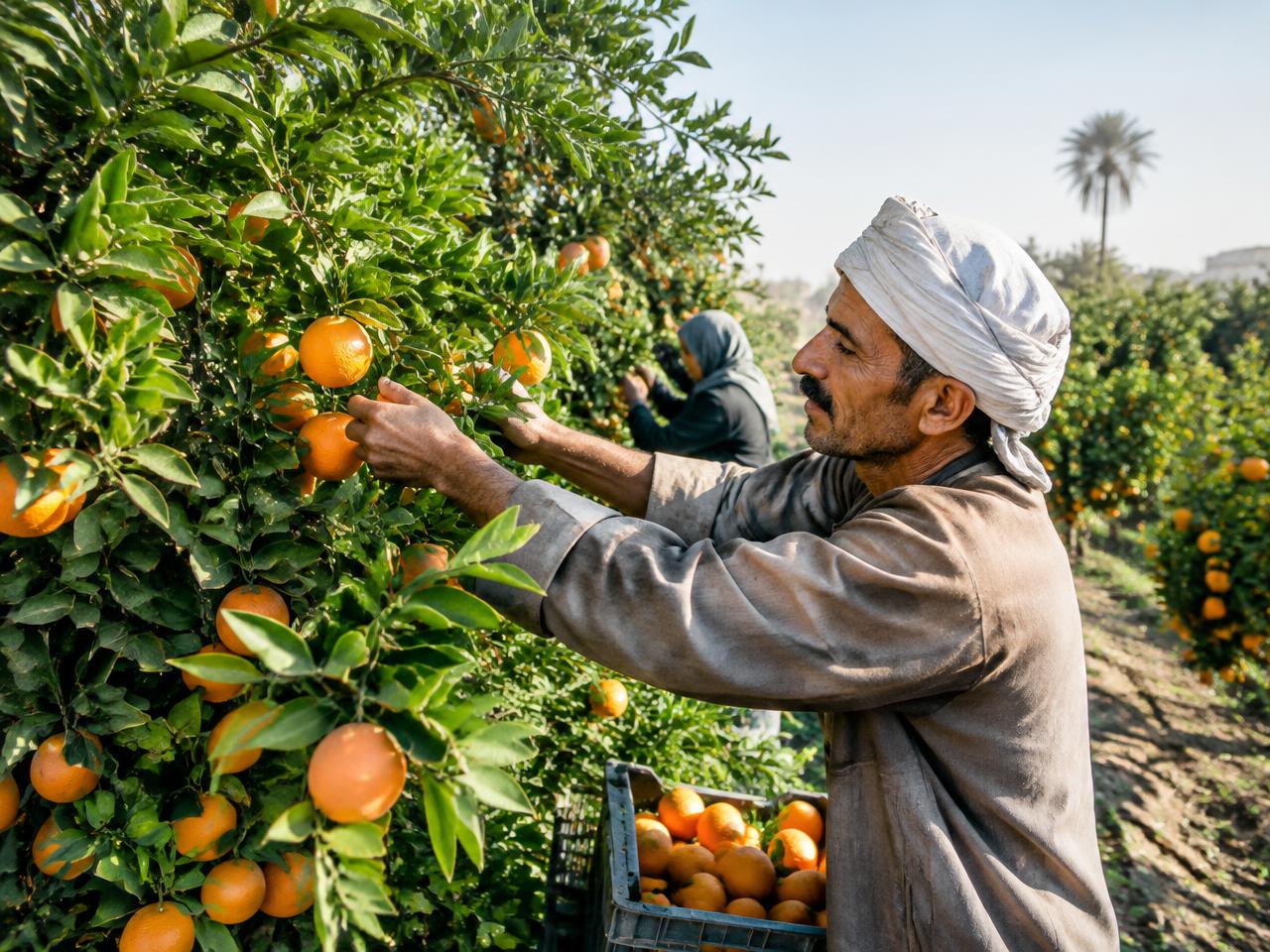
Al Arabiya’s confirmed services are harvesting, sorting and grading, packing, cold storage and export coordination. Ask how each is applied to your commodity: when it is picked, how it is graded, when cooling begins and who decides the loading time.
Ask how temperature records are kept and shipments traced, and connect that to your own Fresh Produce Cold Chain Logistics plan. Any claim about a certificate or standard should be checked with the issuing body, not accepted from the supplier’s presentation.
Test Document Readiness and Communication
Send a complete specification request and note the speed and accuracy of the reply. Does the supplier state what the price includes? Will it share a draft invoice and packing list? Consistency between document figures prevents costly delays later.
Use /quality-certifications as a starting point for discussing quality expectations and /packaging to agree the pack format before ordering. Keep everything agreed in one file: contacts, response times and the escalation steps when a problem appears.
Decide With a Trial Order, Not an Impression
Set clear criteria for a trial order: count accuracy, fruit condition on arrival, document completeness, invoice accuracy and timing. Measure those results on the first shipments before increasing volume.
Record your findings in writing, send them to the supplier and review improvement on the next order. To compare offers fairly, start from the same specification and request written confirmation of every item.
Frequently Asked Questions
- What should I check first with a new supplier?
- Confirm the contracting entity and official contact details, then compare product scope and seasons against your written specification before discussing price.
- Do certificates mean a supplier is suitable?
- No. Certificates describe systems and specific scopes and must be verified with the issuer. Actual shipment performance against your specification at arrival matters more.
- How many trial orders before scaling up?
- It depends on your volume and the commodity’s sensitivity. Start with one measurable shipment, then repeat until results are consistent across condition, documents and timing.
Conclusion
Evaluating an export supplier is not a one-off exercise; it repeats with every commodity and season. Start with a written specification, verify identity, scope and handling, review document readiness, then judge performance through a trial order. That builds your decision on evidence you can check. Al Arabiya offers confirmed harvesting, grading, packing, cold storage and export coordination services, and buyers can discuss details at +20 10 63300028 while confirming availability and terms in writing before ordering.