Start with Your Product Map, Not the Freight Price
Vegetables behave very differently in transit. Potatoes, onions and garlic are comparatively tolerant of storage, while tomatoes, peppers and green beans are more sensitive to heat, moisture and abrasion. Before requesting quotations, divide your buying list into groups based on sensitivity and expected shelf life.
Look at the supplier’s actual service record rather than a list of trade names. Al Arabiya provides harvesting, sorting/grading, packing, cold storage and export coordination, and the current range can be reviewed at /products. Actual availability varies by season and variety, so confirm it separately for every order.
Write the Specification Before Any Agreement
For each item, define the size or diameter range, net carton weight, acceptable defect level, maturity at loading and required presentation. Without these elements, quotations may look similar while actually describing very different products.
Ask for a sample pack and recent photos of the carton as it is actually shipped. Packaging options are outlined at /packaging, but final approval should be based on a real sample. Importers should also verify current requirements with the relevant authority in the destination country, since import and labelling rules change.
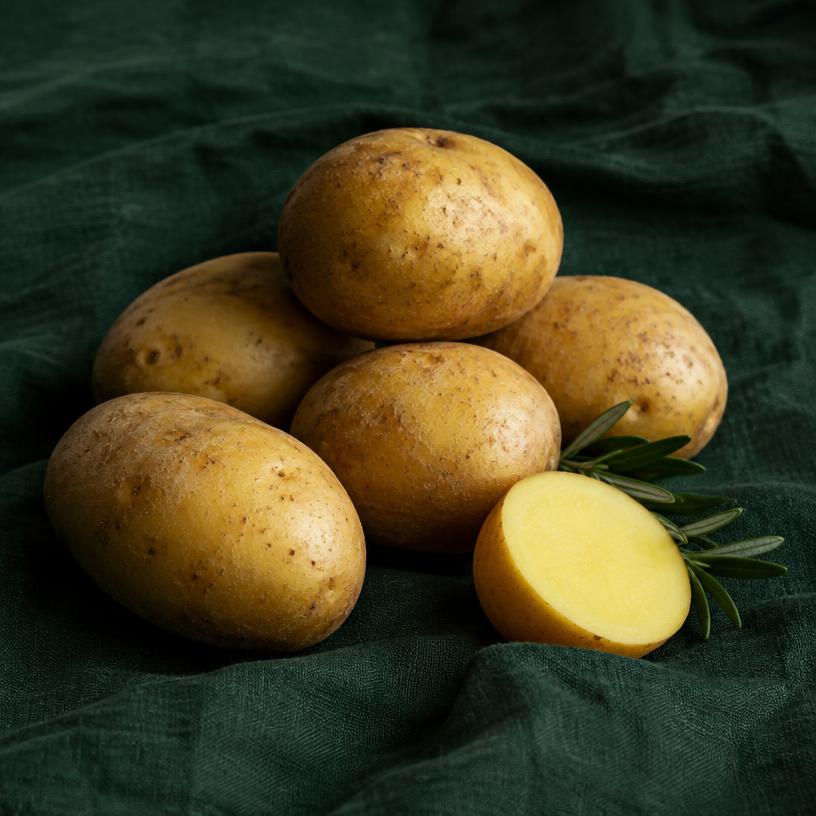
- Potatoes, onions and garlic: confirm calibre, weight and carton cleanliness.
- Tomatoes and peppers: set maturity and pack tolerance to moisture.
- Green beans: ask about pre-cooling and speed of handling.
Plan the Cold Chain as Part of the Price
Quality work starts well before loading. Ask when produce moves into cold storage, which temperature range is used and who monitors records during transit. A short break in cooling may not be visible at loading, yet it can shorten shelf life at the consignee’s warehouse.
Coordination matters more than equipment alone. Export coordination aligns harvest dates, packing and documentation, and the sequence is described at /export-process. Agree in writing where each party’s responsibility begins under the chosen trade term, and who bears the cost of any delay.
Build a Measurable Programme with an Egyptian Vegetables Exporter
Do not judge a vegetable exporter on one shipment or one promotional offer. Request lot traceability, packing photos and recent inspection reports where available, and verify any document directly with its issuer. Expand the programme gradually after assessing actual arrival condition.
Start with a limited order covering a few items, then add more sensitive lines once procedures are proven. Send your specification and shipping dates through /contact, or speak with Al Arabiya directly on phone and WhatsApp +20 10 63300028 about availability and coordination capacity.
Frequently Asked Questions
- Which vegetables can an Egyptian supplier provide?
- The offered range commonly includes potatoes, onions, garlic, tomatoes, peppers and green beans. Availability varies by season and variety, so request an updated list for each shipping window.
- How do I plan a vegetable season without fixed data?
- Rely on regular supplier updates about expected availability and leave room in the buying plan for variety substitution. Do not assume a particular item continues outside its confirmed window.
- What documents should I request from a vegetable supplier?
- Shipping evidence, invoices and packing lists are commonly requested, and a phytosanitary certificate may be required depending on destination. Importers should verify current requirements with the relevant authority before closing the order.
Conclusion
Sourcing fresh vegetables from Egypt works when specifications become verifiable actions: a named variety, a clear grade, an approved pack and a documented cold chain. Start small, record arrival observations and expand gradually. Al Arabiya offers harvesting, sorting/grading, packing, cold storage and export coordination; discuss your programme through /contact or on +20 10 63300028.