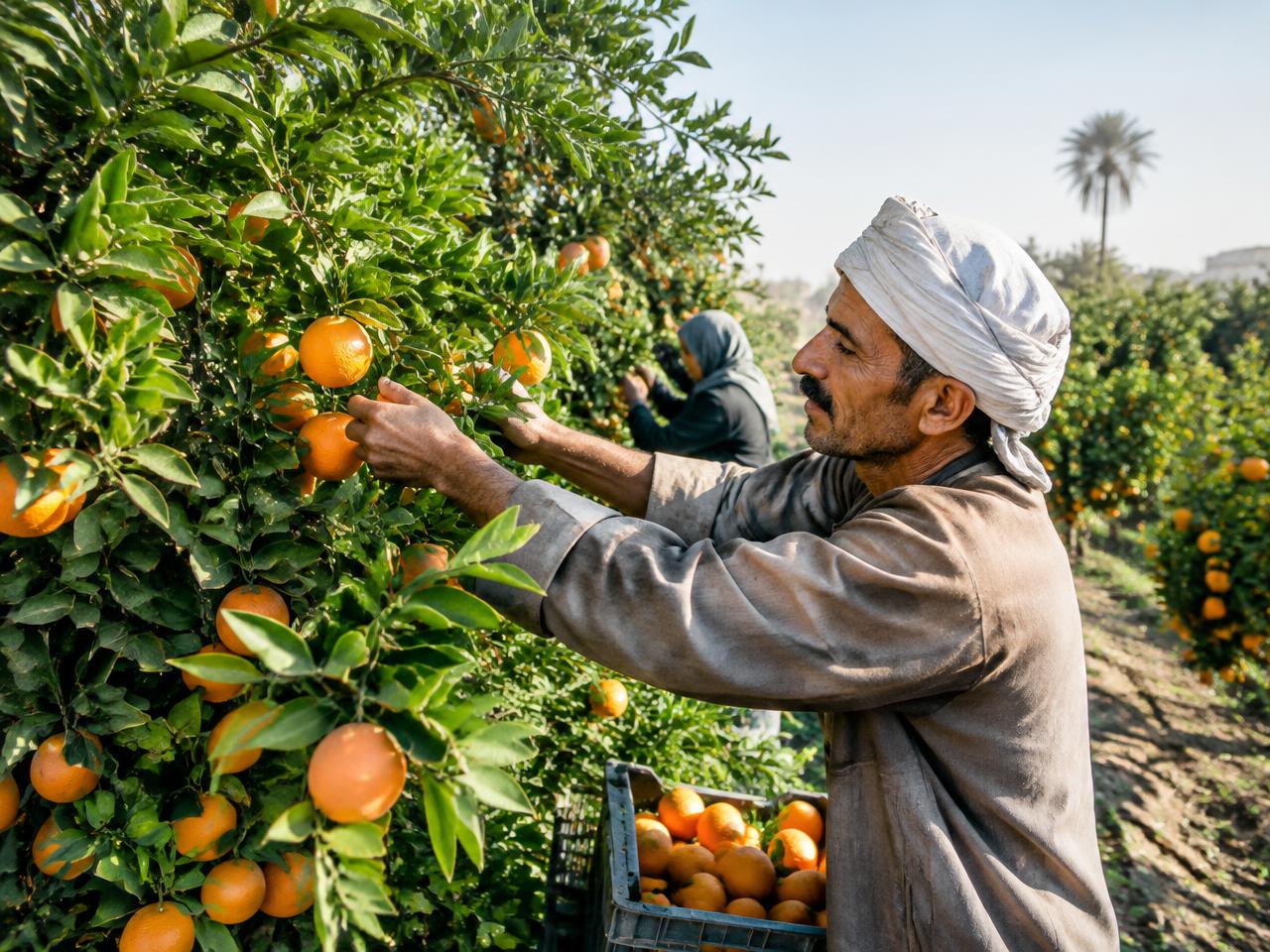
A Season Is a Planning Tool, Not a Fixed Guarantee
Availability windows shift from one season to another depending on variety and growing conditions. Even within a season, size, colour and maturity can change from week to week. Treat seasonal information as general guidance, then request a fresh confirmation before each purchase order.
Ask the supplier three things: the variety currently available, the expected size range and the anticipated remaining window. Record the answers in one table alongside shipping dates. That turns a seasonal conversation into a trackable plan.
Mapping Fruit: Variety Alongside Clear Conditions
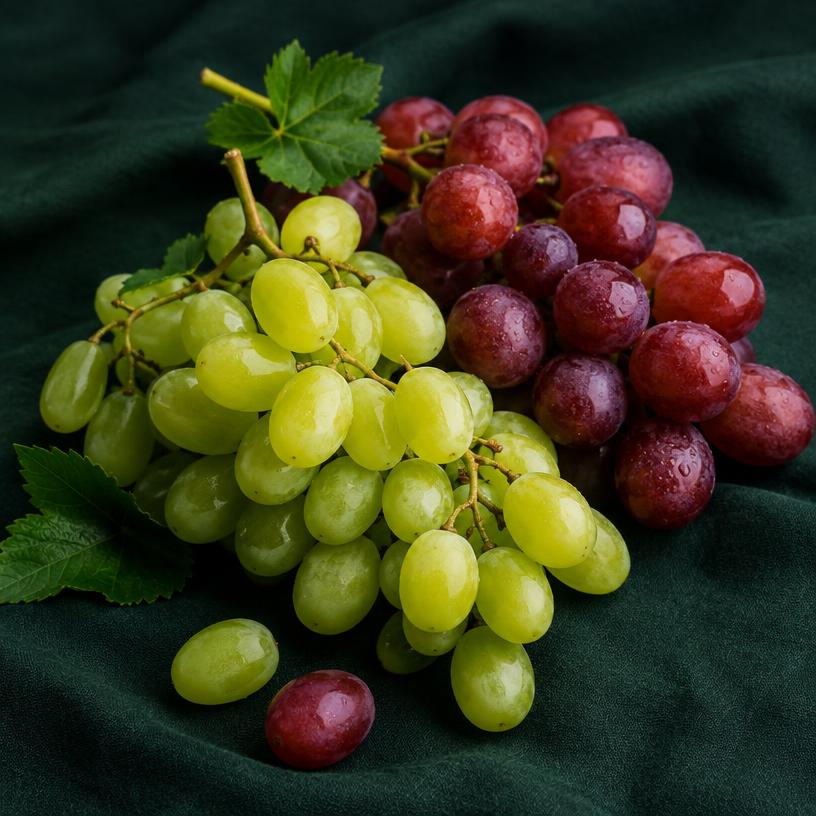
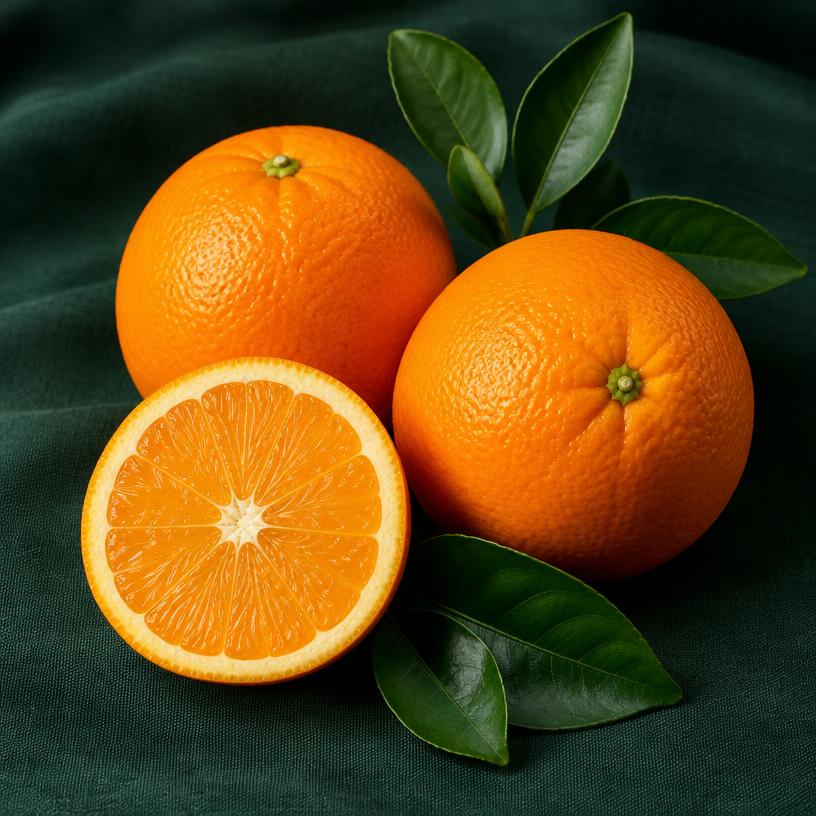
The offered range includes oranges, lemons, grapes, mangoes, guava, peaches, persimmons, pomegranates, strawberries and dates. Each group has its own maturity, packing and temperature needs. Do not treat fruit as a single block when building a purchasing calendar.
Delicate fruit needs fast handling and careful cooling planning, while other items tolerate longer intervals. Ask about pre-cooling and load order, and review /export-process to understand the workflow. Pack conditions can be discussed at /packaging before quantities are confirmed.
Seasonal Vegetables: Storable Lines and Fast-Moving Lines
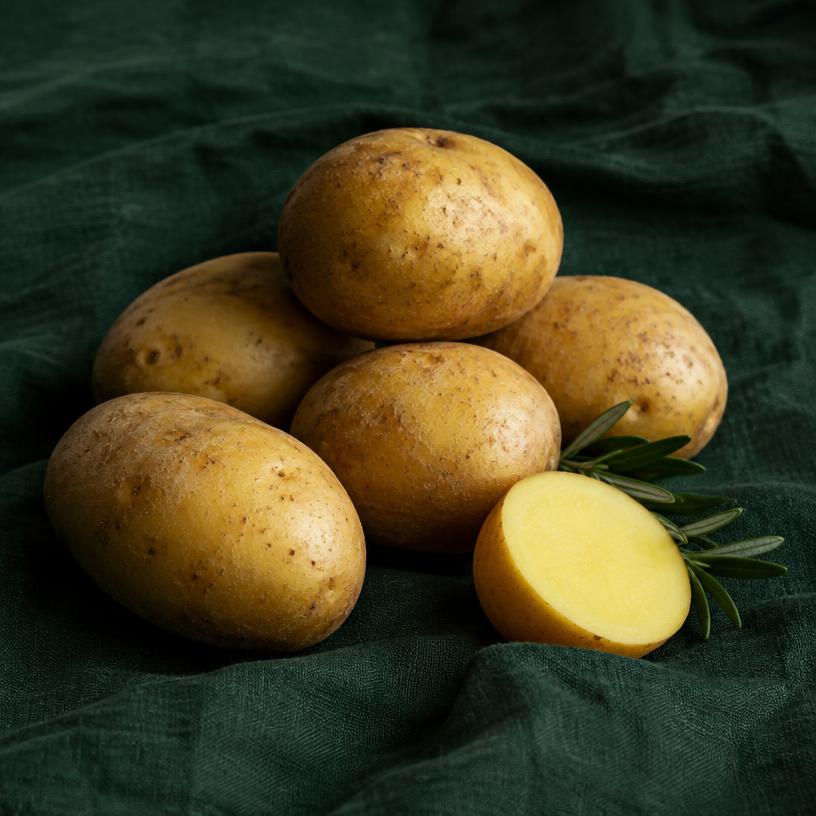
Potatoes, onions and garlic usually allow more planning flexibility, while tomatoes, peppers and green beans require tighter coordination between harvest, packing and shipping. Availability varies by season and variety, so do not plan on assumptions carried over from a previous year.
If you want a mixed programme, ask directly whether items can be consolidated in one shipment and whether their temperature needs are compatible. Some groups may not travel well together even when a single supplier offers them at the same time.
A Practical Plan for Buyers Working with a Fresh Produce Wholesale Supplier
Start by defining your target market’s needs, then request an updated availability outline for the coming three months. Compare offers against the same specification and name acceptable substitutes in case a variety shifts. Review /export-markets for how destination requirements differ, and always verify current rules with the relevant authority.
Fix a first trial order with a simple contract naming the variety, size, pack and shipping window, then assess results before expanding. Products can be reviewed at /products, and enquiries sent to /contact or to Al Arabiya on phone and WhatsApp +20 10 63300028.
Frequently Asked Questions
- Can I rely on one variety all year round?
- No. Availability varies by season and variety, even for items with longer storage life. Request an updated outline and agree acceptable alternatives before each season.
- How do I plan mixed fruit and vegetable shipments?
- Group items with compatible temperature and humidity needs, and ask about load order and packing. Some items should not travel together even when they are available at the same time.
- What is the best way to start with a seasonal supplier?
- Begin with a small trial order, record temperature and arrival condition, then assess performance before increasing volumes. Keep two approved alternatives for each critical item.
Conclusion
Seasonality does not mean uncertainty when it is managed with current information and written specifications. Define your market needs, request availability confirmation, agree alternatives and test the first shipment before scaling. Al Arabiya provides harvesting, sorting/grading, packing, cold storage and export coordination for mixed produce programmes; contact us through /contact or on +20 10 63300028 to discuss your next shipping window.