Working With Egypt Fruits Exporters
Begin by understanding what your destination actually demands. Labeling, grade and volume requirements differ between a wholesaler, a retail chain and an institutional distributor. Define your need first, then look for an exporter who can meet it rather than choosing a supplier and adapting their output.
Keep in mind that this is general information and that availability varies by season and variety. Ask the exporter for a list of items available in your planned shipping window, and request suitable alternatives if volumes change.
Set Specifications Before You Request Prices
A price without a specification cannot be compared. Write down the item, grade, size, count per pack, pack weight and maturity required on arrival. The more precise your specification, the more comparable the quotes you receive.
Also discuss what happens if the goods do not conform. Ask how shrinkage or damage is calculated and who bears responsibility under the agreed trade term. Clarifying these points before shipping prevents long disputes after arrival.
Incoterms, Documents and Clearance
Choose the trade term that defines who carries transport, insurance and clearance costs. No single option suits every buyer, so compare total landed cost rather than the shipment price alone. Review /export-process for the general sequence.
Request a list of documents the exporter will issue and make sure they match your country’s requirements. Buyers should confirm any required certificate or approval directly with the exporter and check that it is current. See /export-markets for what your destination may need.
Packaging and Cold Chain Planning
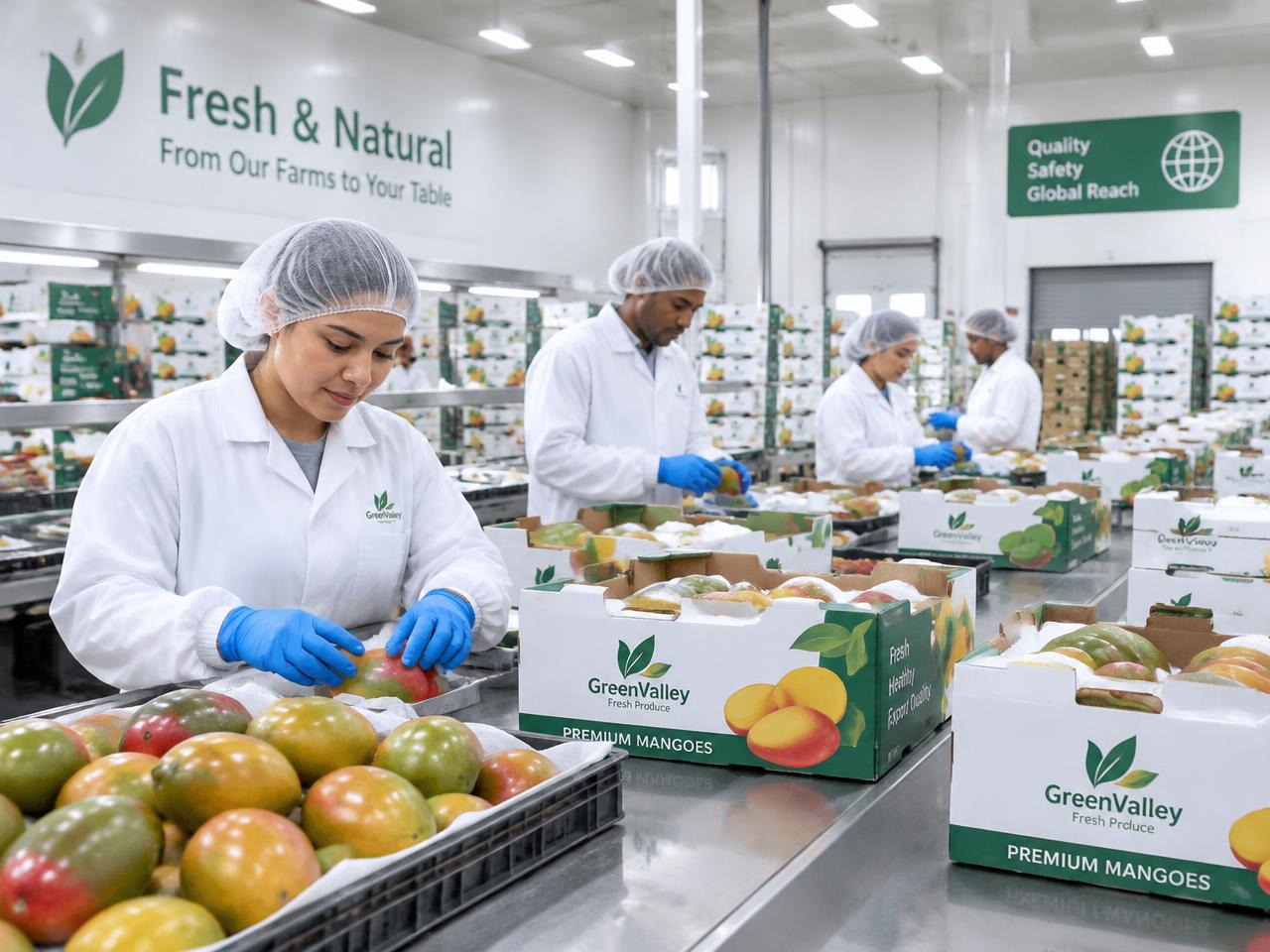
Packaging is part of product quality, not just presentation. Choose packs that protect fruit from bruising and allow suitable ventilation, and explore options through /packaging. Confirm the format fits your warehouse handling or retail line.
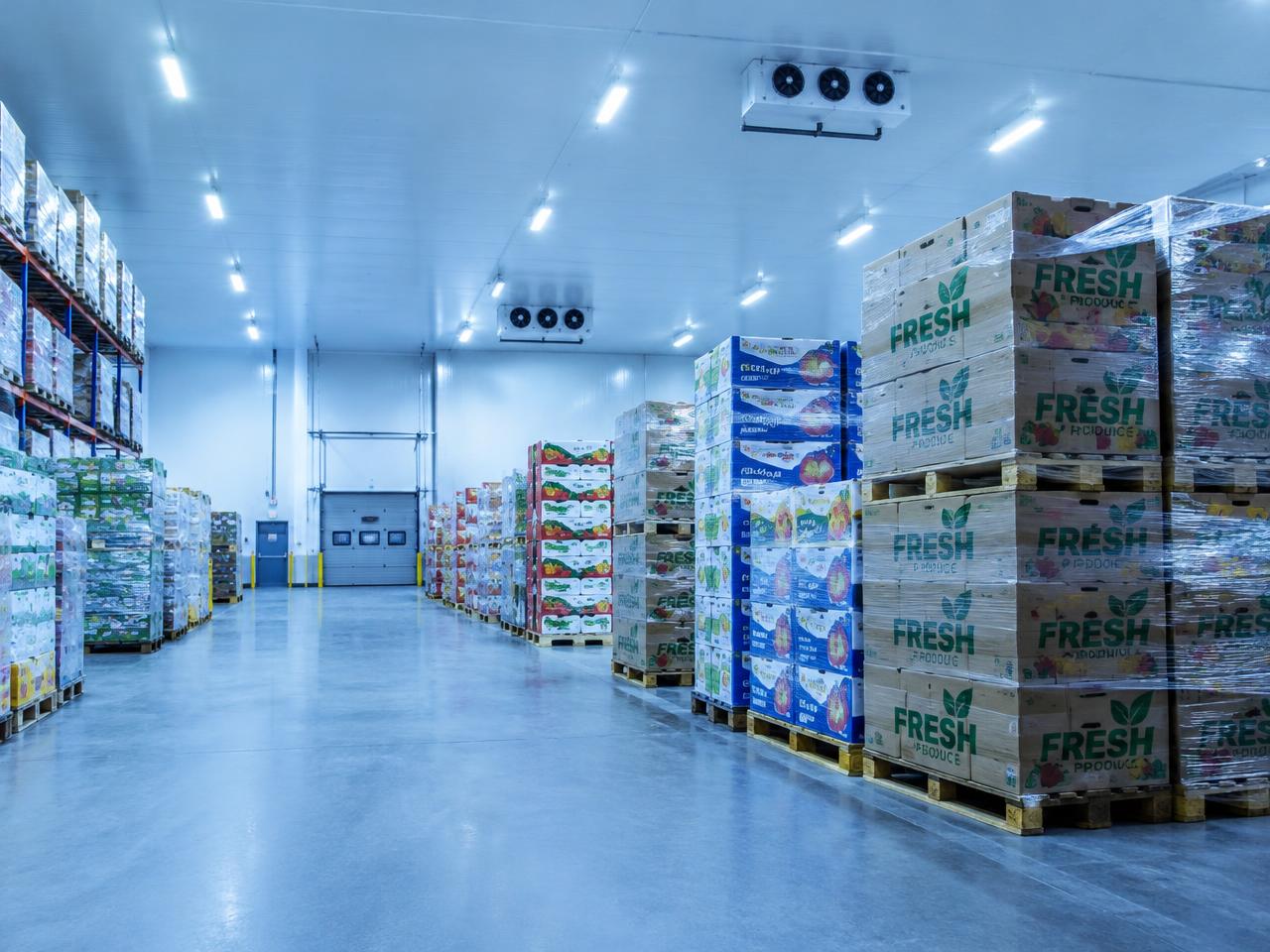
Agree the temperature and humidity range for each item, and ask how readings are recorded during the journey. Mixed loads may need different solutions. Al Arabiya lists cold storage among its services, but the details for your shipment should be confirmed.
Turning a First Import Into a Program
Once the first shipment succeeds, record what happened precisely: arrival times, product condition, paperwork accuracy and how quickly issues were handled. Those notes become the basis of your next negotiation and help you compare suppliers across shipments.
Afterwards, consider spreading risk across more than one source and keeping backups for each key item. Begin your enquiry through /contact with a written specification. For direct contact with Al Arabiya, use WhatsApp at +20 10 63300028.
Frequently Asked Questions
- What is the first step in importing fresh produce?
- Write a clear specification for items, grades and packs, then request quotes against it. Comparing offers without a specification leads to inaccurate decisions.
- Do I need special certificates to import?
- It depends on your country and product. Check your market’s requirements, then ask the exporter for documents and confirm they are current and cover the item you are importing.
- How can I reduce risk on a first shipment?
- Start with a small volume of a few items, agree the specification and documents in writing, then evaluate the results before increasing volume.
Conclusion
Successful importing of fresh produce from Egypt depends more on preparation than on luck. A written specification, clear trade terms, verified documents, and planned cooling and packaging are what separate a single shipment from a sustainable sourcing program. Start small, record results, and build relationships with exporters who communicate transparently.