Define What a Fresh Produce Exporter Must Deliver
Start with your own requirements, not the supplier brochure. Define the items, grades, sizes and packs your market needs, then compare that list with what the exporter actually offers. A supplier may be strong in citrus and weak in berries, so ask about each item separately.
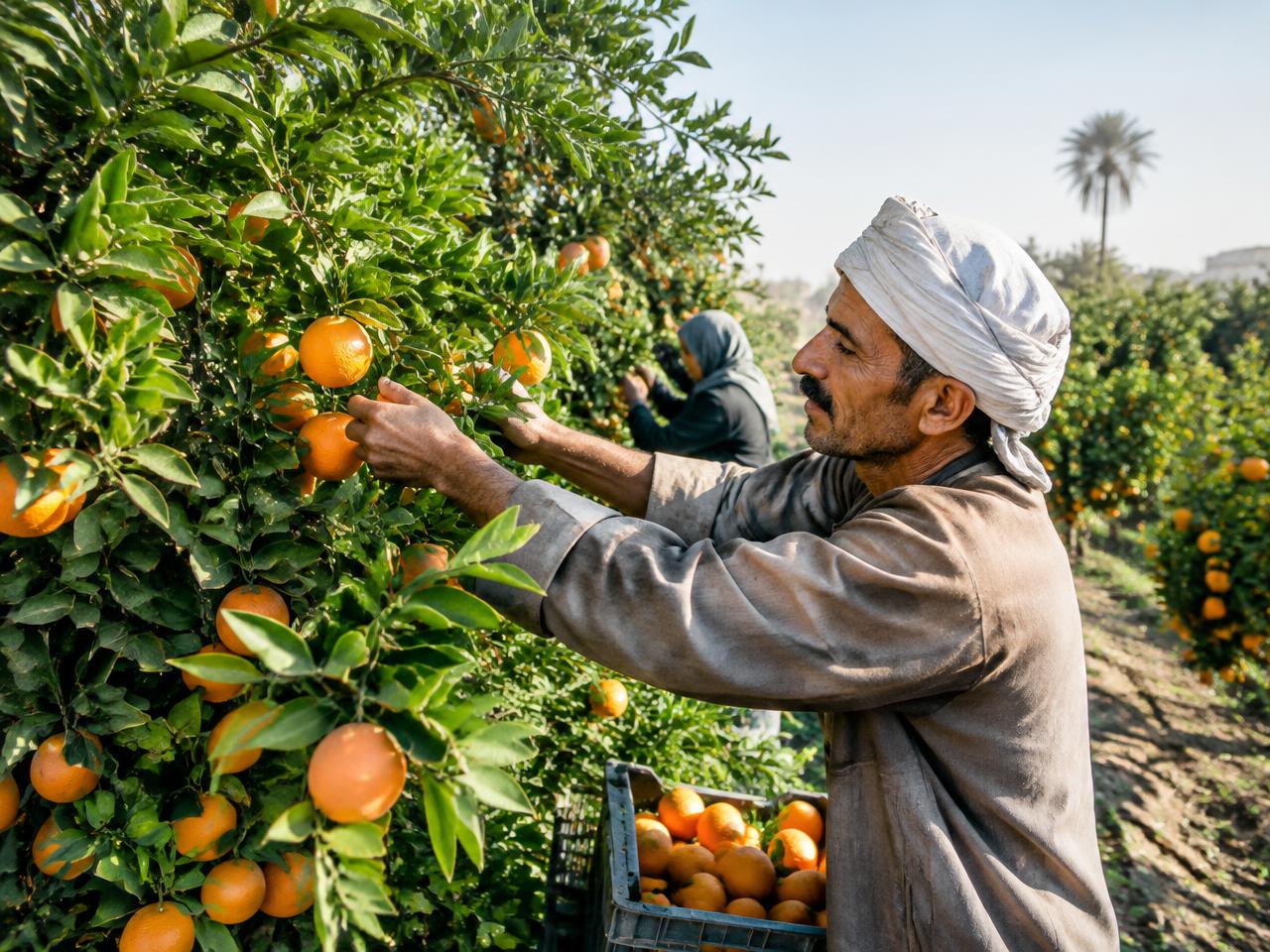
Check which services the exporter can manage directly. Al Arabiya lists harvesting, sorting and grading, packing, cold storage and export coordination among its services. Having these steps under one contact simplifies communication, but confirm them for each individual order.
Assess Quality Control in Practice
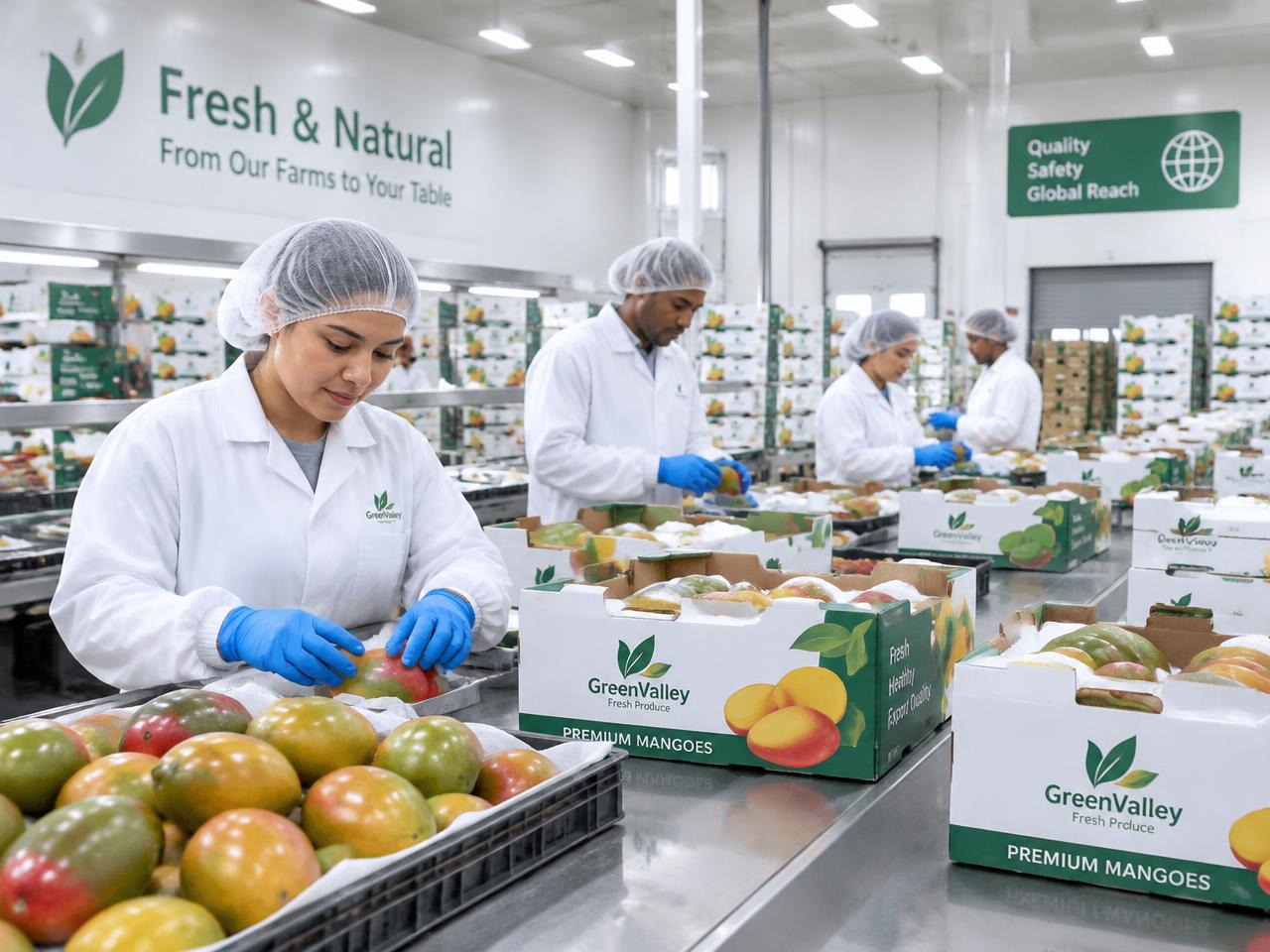
Ask for a clear description of how sorting and grading work, and who makes the final call on rejected lots. General statements about quality are not enough. Tie the discussion to measurable criteria such as size, colour, maturity and package condition.
Learn which checks happen before and after loading. Quality expectations differ between markets, so put your specification in writing and ask for confirmation. The /quality-certifications page covers related topics, but final document verification remains the buyer’s responsibility.
Look Closely at Cold Chain and Packing
Fresh produce is sensitive to time and temperature. Ask about target temperatures, how exceptions are recorded in transit, and who handles initial cooling after harvest. The useful answer is the one tied to your shipment and route, not generic guidance.
Review the packing plan as well. Are packs retail-ready or designed for bulk transport, and how is fruit protected from bruising? Explore options through /packaging, then confirm that the chosen specification suits your market and handling system.
Check Documents and Communication
A good exporter communicates clearly and within a reasonable time. Notice how questions are handled before you sign, since that predicts later cooperation. Ask for samples of the documents they will issue and check that the details match your order.
Never assume the exporter holds particular certificates or approvals. Buyers should request documents directly and check their date, scope and relevance to your product and market. Review /export-markets to understand what your destination may require, then ask the exporter to confirm.
Reduce Risk With a Trial Order
Before committing to a large contract, request a limited shipment of two or three items. Measure arrival quality, package condition, document accuracy and punctuality. That trial provides information no price quotation can offer.
If the trial succeeds, increase volumes gradually and review every shipment. Keep simple scorecards and record the results. Start the conversation through /contact, or contact Al Arabiya directly on WhatsApp at +20 10 63300028 to discuss a trial order.
Frequently Asked Questions
- What is the most important trait in a fresh produce exporter?
- Consistency. Repeating the same specification shipment after shipment matters more than the lowest quoted price, because any deviation affects your customers’ trust in the market.
- How long should supplier evaluation take?
- It depends on your order size, but reviewing enquiries, writing specifications and running one trial shipment gives you a realistic picture within roughly one buying cycle.
- Can price alone determine the right supplier?
- No. The lowest price may reflect a lower grade, weaker packing or limited service. Compare offers on specification, services and commercial terms together.
Conclusion
Choosing a supplier is not a one-time decision but a continuous evaluation that starts with clear specifications and ends with measurable performance. Focus on fit, quality, cold chain and documents, then test them with a small shipment before scaling. The exporter who answers clearly and documents commitments is the one worth building on. To start a practical discussion, contact Al Arabiya at +20 10 63300028.