How a Fruits and Vegetables Export Company Plans Harvest
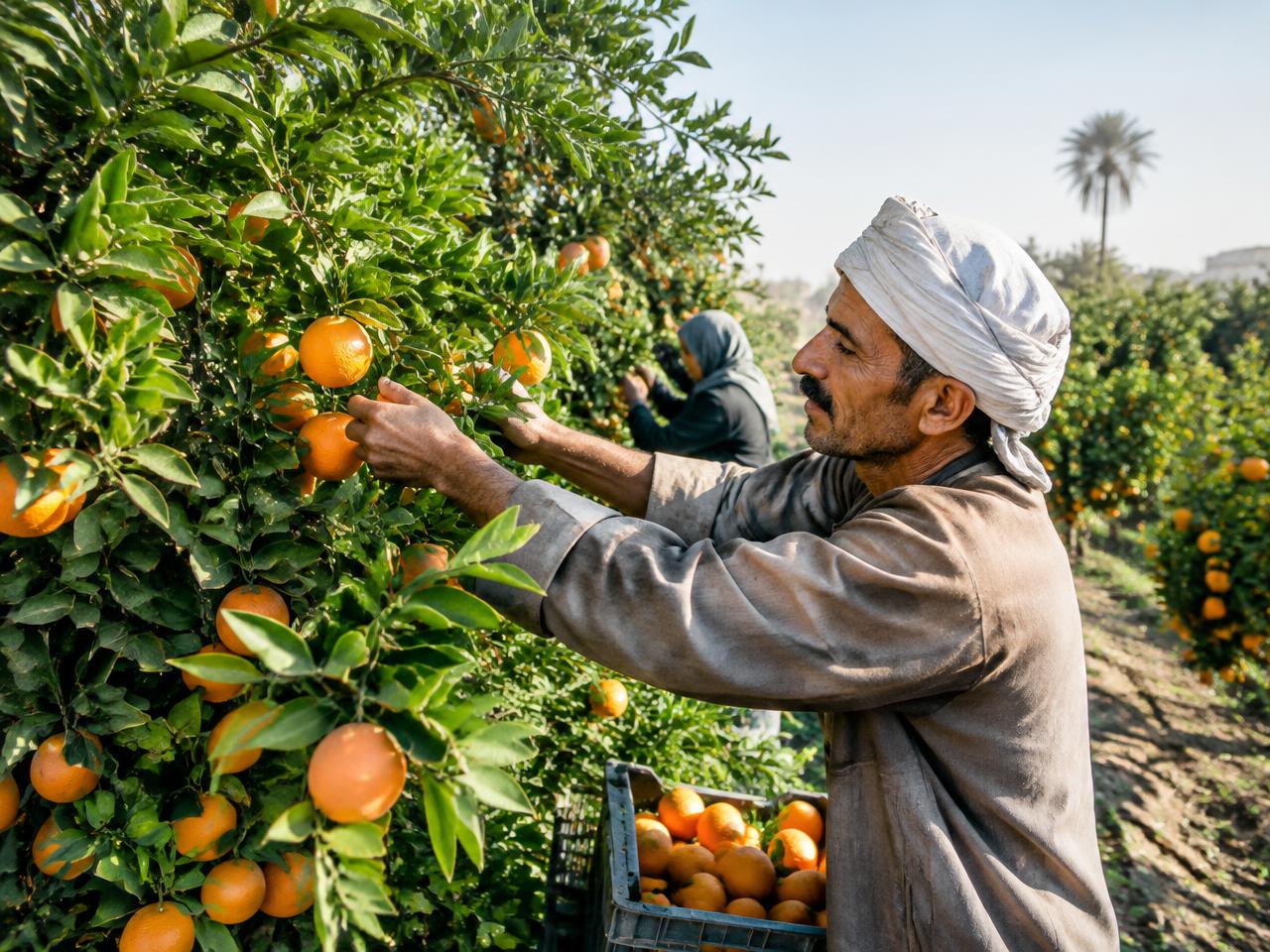
The process starts before harvest with planning decisions: which item, which grade and which time window. Picking dates depend on crop maturity and the shipping schedule, because fresh produce cannot wait long. Early contact between buyer and exporter is therefore essential.
Al Arabiya lists harvesting among its services, but availability varies by season and variety. Buyers should confirm actual harvest dates for their order and discuss alternatives if conditions change. General seasonal information is only a starting point.
Sorting, Grading and Quality Checks
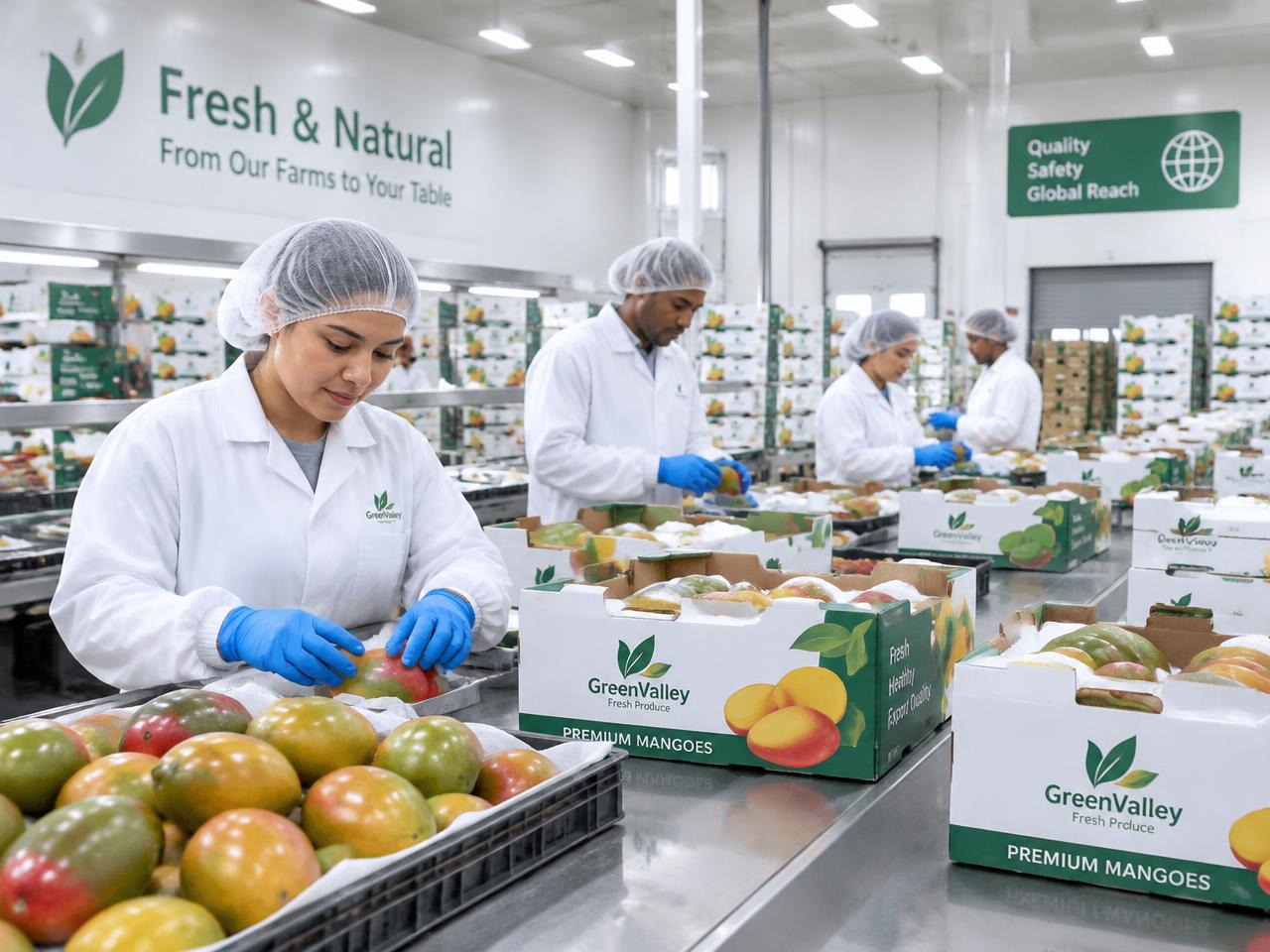
After harvest, produce is sorted against criteria such as size, colour, surface condition and maturity. Lots that do not conform are set aside before packing. Written criteria help reduce disagreement between what the buyer expects and what the exporter sends.
Ask who performs the final check and how results are recorded. Al Arabiya lists sorting and grading among its services, but the exact criteria for your order should be confirmed. See /quality-certifications for topics worth discussing with the exporter.
Packing for the Destination Market
Packs are designed around the sales channel: large cartons for bulk handling or smaller punnets for retail. Ventilation and protection from bruising also affect condition on arrival. Explore available options through /packaging.
Agree the count or weight per pack and the label details before packing begins. Make sure the information matches your market’s requirements and request a written mock-up. Changes after packing cause delays and extra cost.
Cooling and Cold Storage
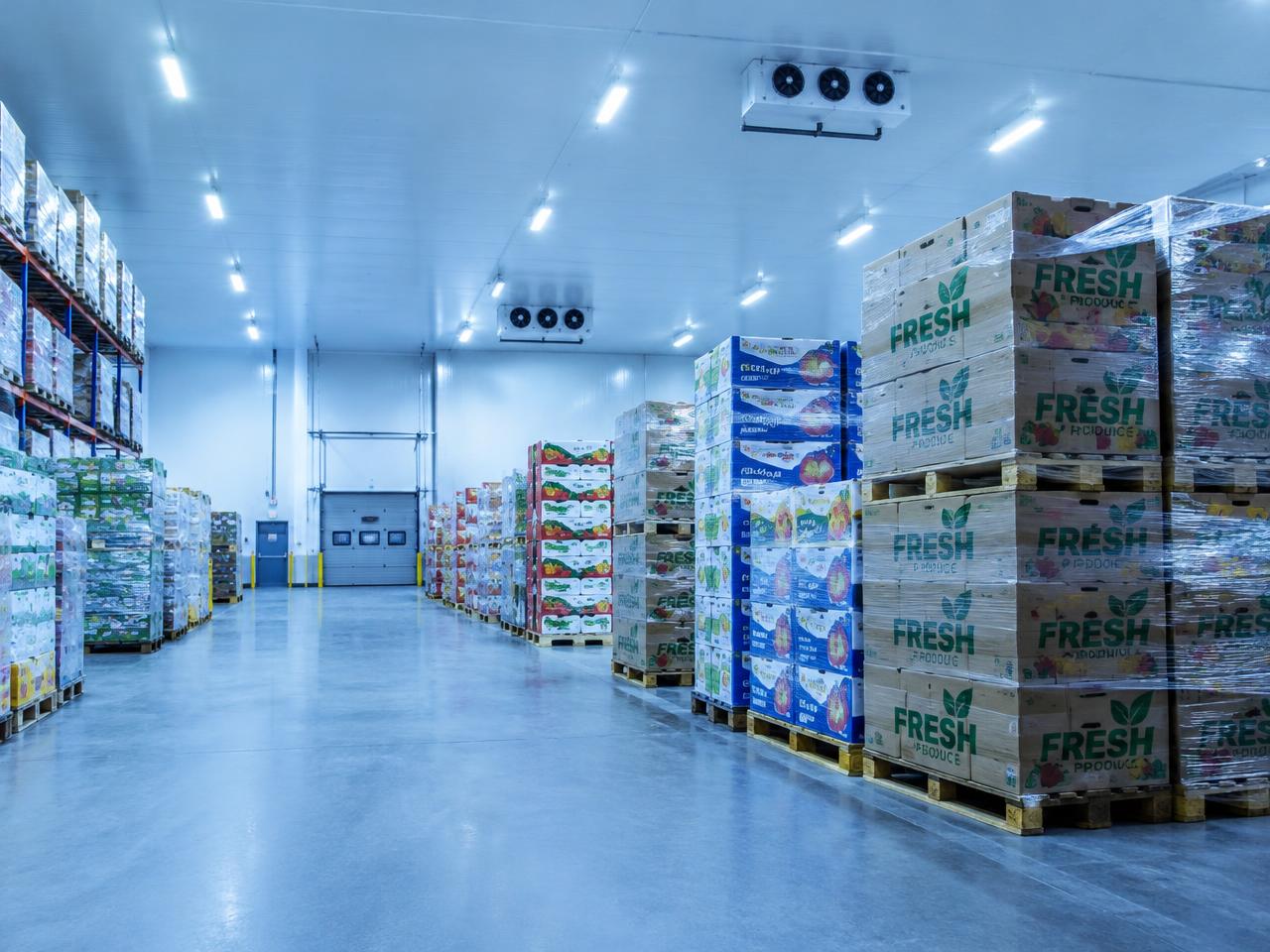
Early cooling slows quality loss after harvest, and the right temperature differs by product. There is no single setting that suits berries, citrus and potatoes equally. Ask the exporter which range applies to your items.
Al Arabiya lists cold storage among its services, but buyers should confirm duration and how temperatures are logged for their shipment. Refer to /export-process for general context, then request details tied to your order and route.
Documentation and Shipment Coordination
Commercial documents are prepared alongside packing, covering item details, quantities, packing format and trade terms. Accuracy affects how quickly goods clear at destination, so review them before the consignment departs.
The final stage coordinates collection and dispatch against the agreed schedule. Al Arabiya lists export coordination among its services. Request written confirmation of timings and documents, and start your enquiry through /contact or WhatsApp at +20 10 63300028.
Frequently Asked Questions
- Why does harvest timing matter so much?
- Because fresh produce loses quality with time, and picking must match both crop maturity and the shipping date. Any delay shows up in the condition of the goods on arrival.
- Are all items stored at the same temperature?
- No. Each item has its own suitable temperature and humidity range. Ask the exporter to explain the settings applied to each item in your order and confirm they are logged in transit.
- When should I review shipment documents?
- Before the consignment departs, not after it arrives. Check items, quantities, packing and trade terms, and make sure any required document is verified and current.
Conclusion
Exporting fresh produce is a chain of connected stages, from harvest planning to shipment coordination. Each stage affects the next, so early questions, written specifications and clear confirmations are the buyer’s most useful tools. Learn the general sequence, then request the details specific to your order from the exporter. To discuss a particular shipment, contact Al Arabiya through /contact or WhatsApp at +20 10 63300028.