Treat the calendar as a map, not a promise
Harvest windows move with variety, growing region, weather and the pace of the season. A buyer who reads a month as a guarantee may arrive with the wrong specification. Use the calendar to time your first enquiry, then validate every lot against what is actually available.
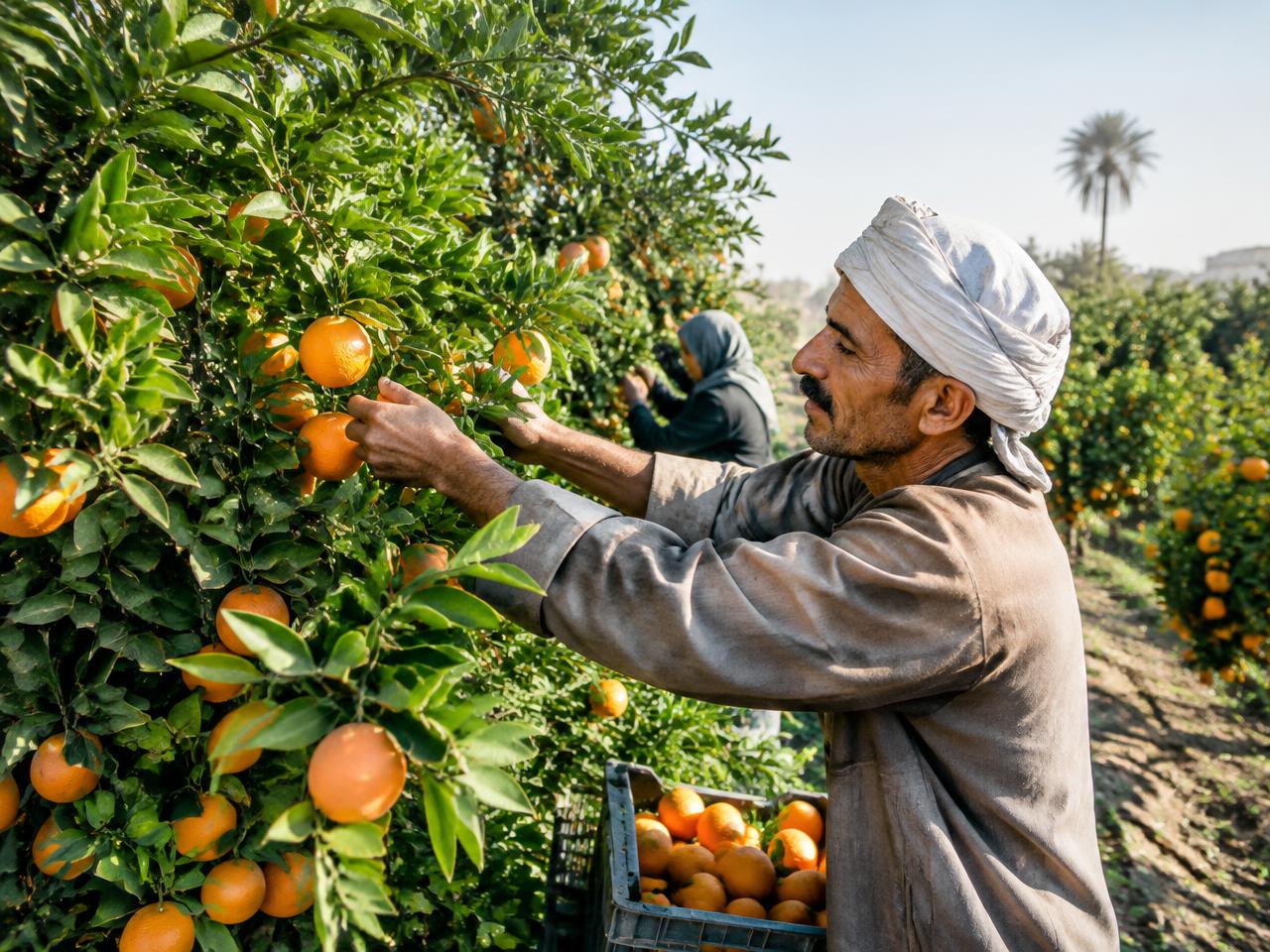
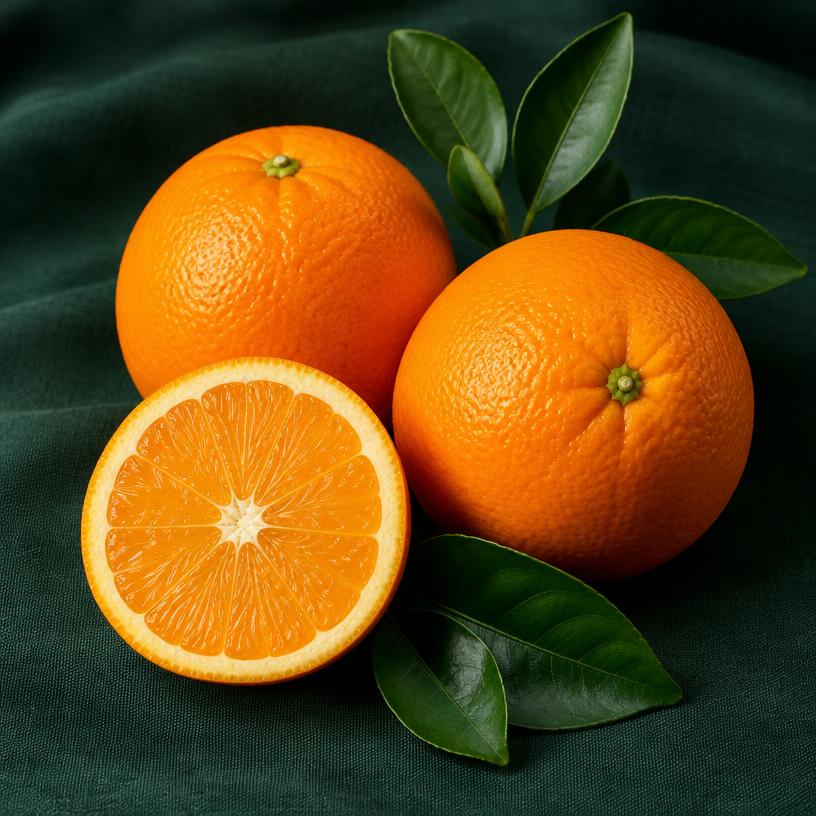
In broad terms, citrus is generally available in the cooler winter months, mangoes typically in summer and table grapes in late summer and autumn. Exact timing varies by variety, region, weather and season, so buyers should confirm current availability with the exporter before fixing volumes or promotions.
A general month-by-month orientation
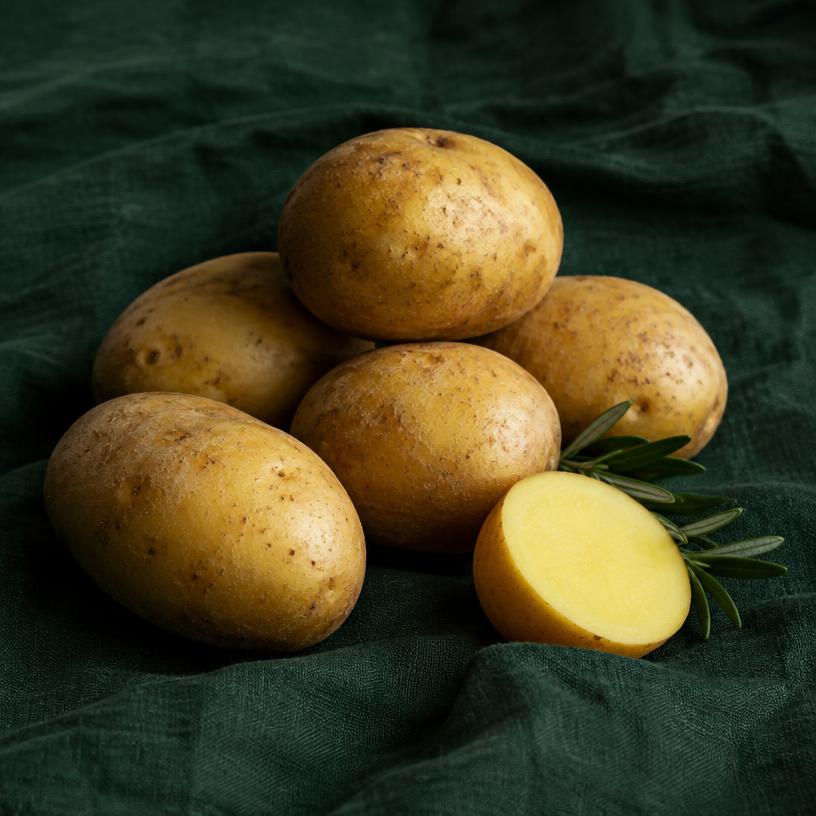
The outline below is industry-level guidance, not a verified company schedule. It helps buyers ask better questions at each point in the year. Vegetables such as potatoes, onions and garlic follow their own schedules and should be planned separately from fruit.
Cooler months usually bring citrus and strawberries into discussion; rising temperatures shift attention to mangoes and early stone fruit such as peaches; later in the cycle, grapes and pomegranates become relevant. Treat each reference as a prompt to enquire, never as a guaranteed supply date.
- Cooler months: ask which citrus varieties and grades will be available.
- Summer: confirm mango variety, maturity at harvest and pack format.
- Late summer and autumn: check grape bunch size, grade and cooling needs.
Turn windows into a written specification
A season becomes useful only when translated into variety, size, grade, pack style and expected shelf life. The range at /products is a starting point for discussion, but availability varies by season and variety. Ask which varieties will genuinely be harvested in your target window.
Export packaging must survive handling and transport, and requirements differ by market and customer. Confirm carton formats, labels and retailer rules early. Changing a pack close to harvest is rarely simple, and early and late lots may run smaller or shorter-lived.
Cold chain and a planning rhythm that works
Quality is a chain of decisions from harvest maturity through sorting, grading, packing and temperature control. The steps outlined at /export-process give buyers a framework: ask about field heat removal, grading and temperature during inland transit, not just price.
Work backwards from the date produce must reach your warehouse. Agree specifications, review samples, confirm documents and allow booking time. Build a rolling three to six month view and refresh it each season; a clear enquiry through /contact will bring a far more useful response.
Frequently Asked Questions
- Are these harvest windows guaranteed?
- No. They are general industry guidance. Exact timing varies by variety, region, weather and season, and buyers should confirm current availability with the exporter before committing.
- Why do prices differ across a season?
- Sizes, colour development and shelf life change between early, peak and late lots, and packing costs move with supply. Request the specification of the specific lot rather than a seasonal average.
- Can several fruit lines share one container?
- Sometimes, if availability overlaps and temperature and pack needs are compatible. Ask the exporter to confirm feasibility in writing as part of the shipping plan.
- What should I put in a first enquiry?
- State the target market, arrival date, grade, size and pack format. These details let an exporter respond with a realistic proposal instead of a broad estimate.
Conclusion
Seasonal buying rewards disciplined questions, not perfect predictions. Use the month-by-month view to time enquiries, then rely on current confirmation for variety, grade and volume. Al Arabiya handles harvesting, sorting and grading, packing, cold storage and export coordination within a defined range; discuss current availability through /contact. Availability varies by season and variety, so treat every window as a starting point, not a fixed promise.