Start with the destination, not the harvest date
The first question is not when fruit is harvested, but when it must reach you and how much shelf life should remain. That answer sets the shipping window, the temperature requirement and which varieties suit your channel. A nearby wholesaler may accept a different maturity stage from a retailer needing long display life.
Build a backward schedule for specification agreement, samples, documents, booking and transit. As a Fresh Fruits Supplier, the exporter can discuss practical arrangements, but defining the market and arrival date remains the buyer’s task. Start early enough to allow an alternative.
Oranges: planning winter citrus
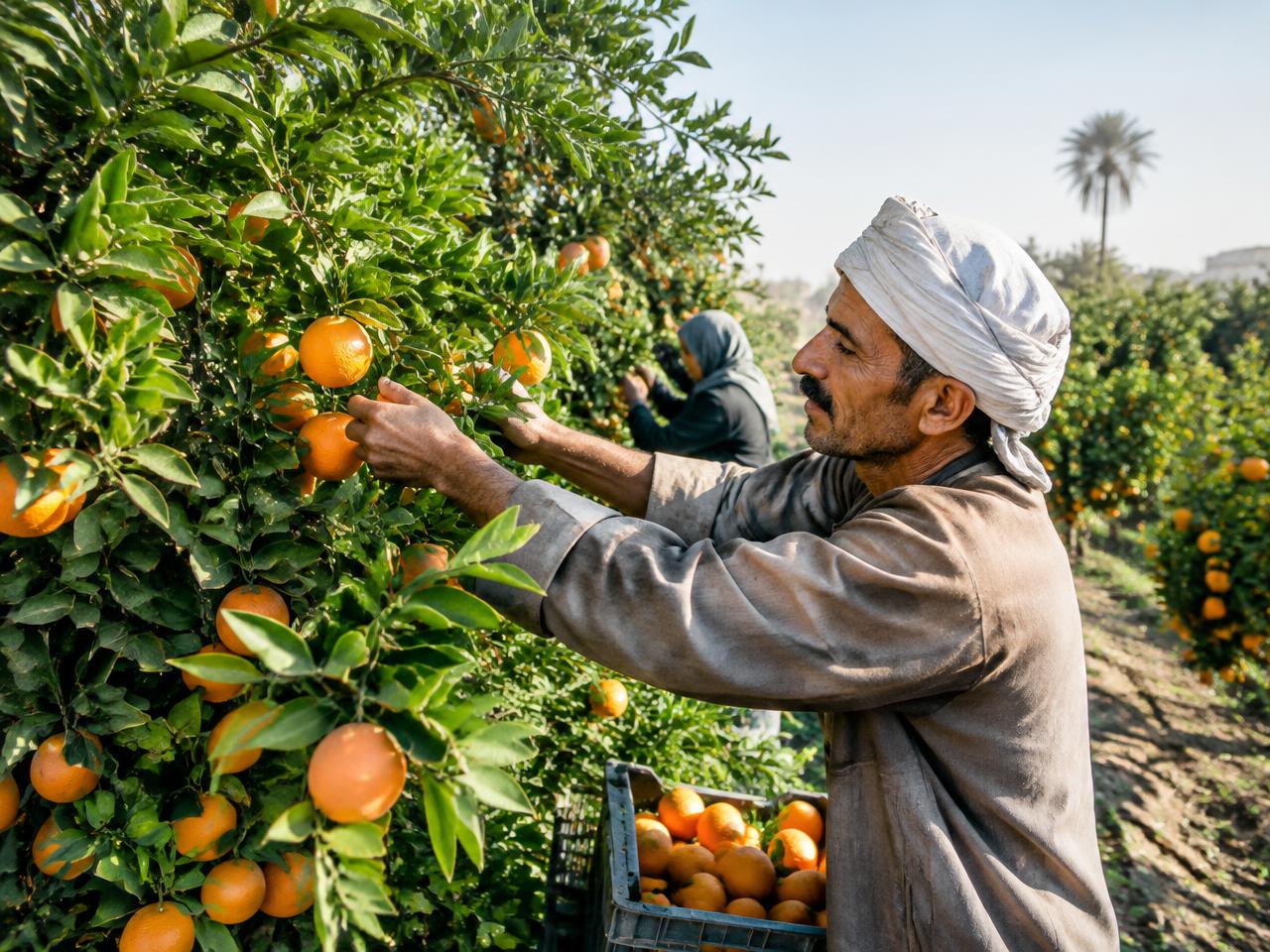
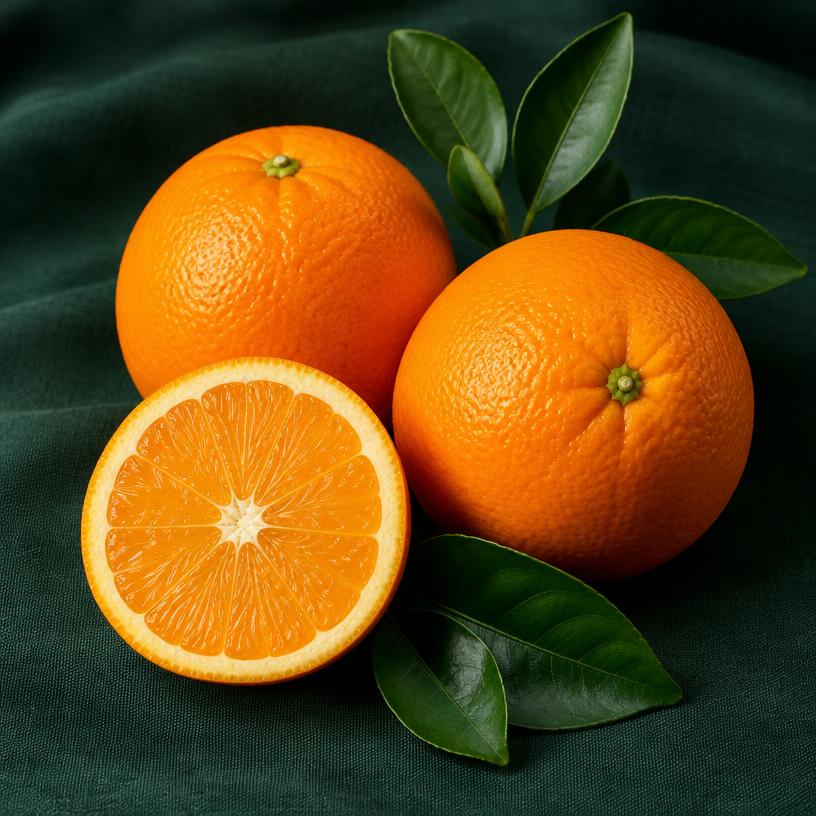
Citrus is generally available in the cooler months, but timing varies by variety, region, weather and season. Ask which varieties are available in your window, the size range, grade criteria and pack required for your market. Agreeing on a crop name alone is not enough to build an import programme.
Citrus is sensitive to post-harvest handling. Ask about field heat removal, sorting, grading and temperature and ventilation control in transit. Fruit export quality standards commonly address cleanliness, freedom from damage and size uniformity, but actual criteria vary by buyer and market, so confirm them in writing.
Mangoes: a summer window shaped by variety
Mangoes are typically associated with summer, but variety differences in size, colour, maturity and shelf life are substantial. Define the variety before discussing price, and ask about maturity at harvest and whether the lot is intended to ripen at destination. Those details prevent a product arriving that does not fit your plan.
Mangoes need careful packing because fruit can be sensitive to pressure. Review layer count, padding and labelling. Cold chain needs vary with variety, maturity and journey length, so buyers should confirm the practical temperature and handling plan with the exporter for their destination.
Grapes and coordinating the three crops
Table grapes generally appear in late summer and autumn, with timing varying by variety, region, weather and season. Define first whether your enquiry targets retail requiring large bunches and uniform berries or wholesale prioritising value; that makes the grade and size conversation far more precise.
Grapes are sensitive to cold chain breaks. Ask about target temperature, pre-cooling duration and bunch protection during loading. Use /export-process and /packaging to frame questions, then send details through /contact. Do not assume the windows overlap; verify current availability in each cycle.
Frequently Asked Questions
- Which of the three has the longest supply window?
- There is no universal answer; each variety has its own window, shifting with region, weather and season. Request the varieties actually available on your target date rather than relying on a seasonal average.
- Can mangoes and grapes be shipped together?
- It may be possible where temperature and packaging needs align and the varieties are available at the same time. Confirm feasibility with the exporter in writing before planning around it.
- Which specification should I fix first?
- Start with variety, then size, grade and maturity on arrival, followed by pack and tolerance limits. These determine whether the lot suits your sales channel.
Conclusion
There is no single perfect time for all three fruits; there are general windows that need regular confirmation. Treat oranges as a winter opportunity, mangoes as a summer choice requiring variety definition, and grapes as a late-season product needing precise cooling. Start from arrival date, write the specification before the price, and review availability each cycle. All guidance is general; timing varies by variety, region, weather and season and must be confirmed before you commit.