Map demand backwards from your market
Start from the date produce must be on shelves, then work back through transport, clearance, inspection and handling. That sets the latest shipping date and which varieties can arrive in suitable condition. Buying first often produces sound prices and poor timing.
Split demand into a core line needed in most weeks, a seasonal line appearing in defined periods and an opportunity line used when a variety is available. This clarifies which volumes deserve early planning and which can wait. Link each line to a target market and a named owner inside your organisation.
Build a realistic seasonal product map
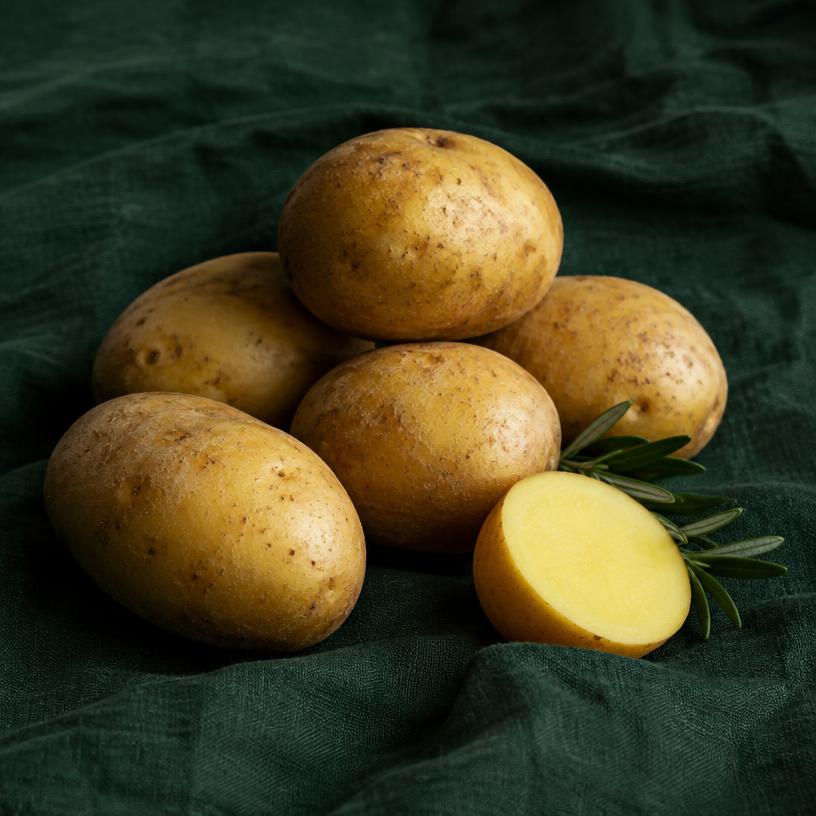
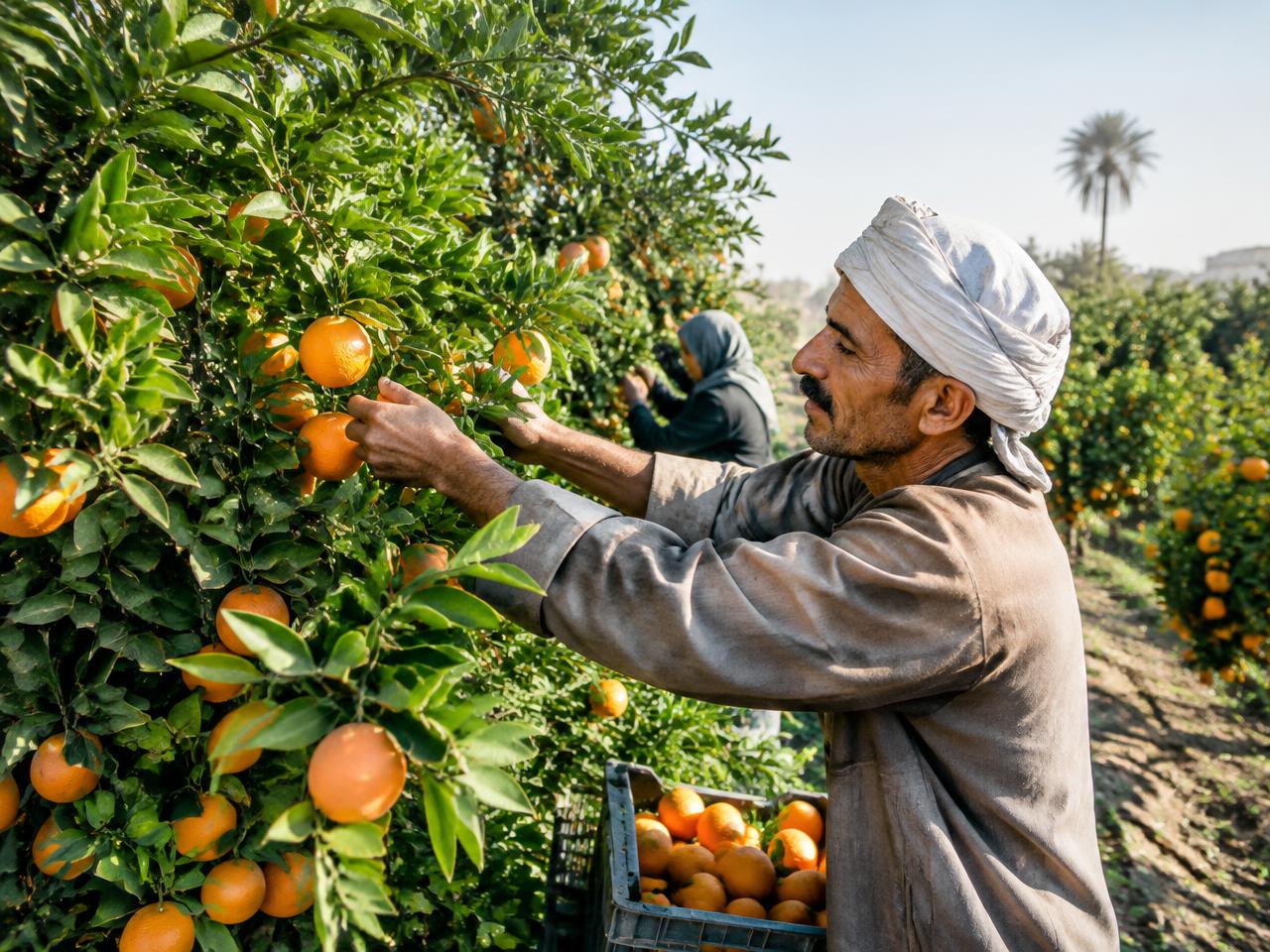
Collect crop window information and treat it as a working hypothesis, not fixed fact. Citrus is usually available in cooler months, mangoes typically in summer, table grapes in late summer and autumn, while potatoes, onions and garlic follow another rhythm.
Review /products for the range, then turn the list into a table showing product, variety, expected window and a possible alternative. Do not leave the variety and alternative columns blank; a realistic backup protects the plan when a line changes availability because of weather or market conditions.
Fix the specification before the price
A price without a specification is a number that is hard to compare. Define variety, size, grade, maturity on arrival, pack type, units per carton and labelling. Only then do supplier offers become comparable. Request a pack sample and a product sample representing the proposed lot, not a generic illustration.
Export requirements vary by destination and customer, but some items deserve to be fixed every time: tolerance limits, rejection criteria, claim procedures and who may approve the sample. Record them in a specification sheet attached to the contract and review /packaging early, because changing a pack after preparation starts costs time and money.
Documents, cold chain and performance review
Prepare a document checklist per destination with delivery dates and a named reviewer. The importer of record generally handles customs and local compliance while the exporter prepares goods and agreed documents; record the split contractually so time is not lost during delay. Use /quality-certifications and /export-process to frame questions.
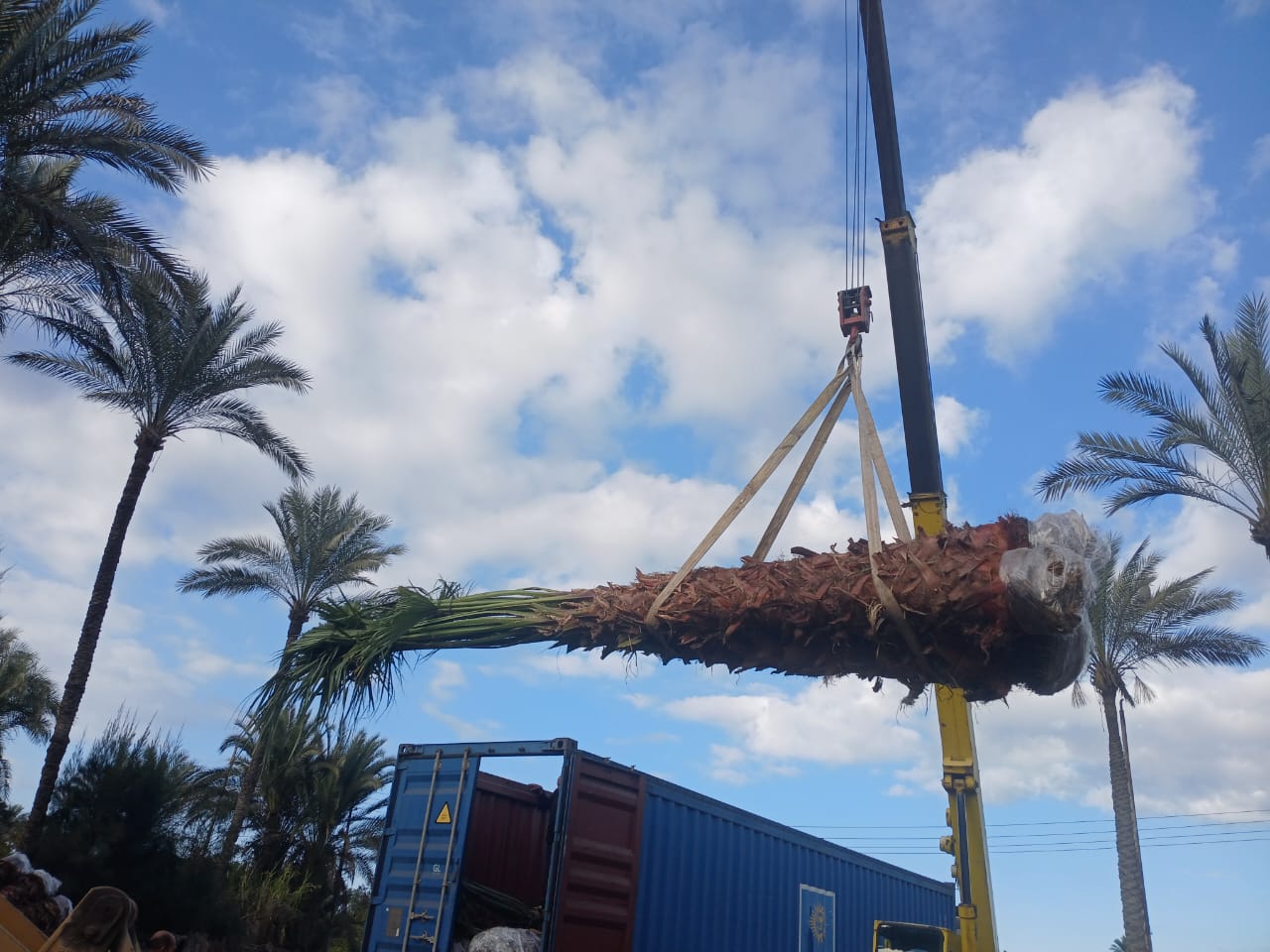
Plan cold chain as a continuous process from pre-cooling to transport, loading and arrival. Needs differ by variety, so delicate fruit is not a dry vegetable. After each shipment record arrival, temperature, deviation and warehouse feedback, then send the next plan through /contact.
Frequently Asked Questions
- Where should I start a seasonal plan?
- Start with the required arrival date and work back through transport, clearance and handling time. Then identify potential lines and confirm current availability with the exporter.
- Why are general crop dates not enough?
- Because timing varies by variety, region, weather and season. Use general dates as a framework, then request confirmation of variety, grade and size for each consignment.
- How can I compare suppliers fairly?
- Send identical enquiries stating market, dates, grade and pack, then compare responses on specification, practical detail and responsiveness to feedback, not price alone.
- Which post-shipment records matter most?
- Record arrival date, temperature, deviation from specification, speed of document reconciliation and warehouse feedback. These provide an objective benchmark for the next cycle.
Conclusion
Good planning is not an attempt to predict every variable; it is a process that makes variables visible early. Start with demand in your market, map general windows, fix the specification before the price, agree documents and cold chain, then review performance after every shipment. Al Arabiya provides harvesting, sorting and grading, packing, cold storage and export coordination, but availability varies by season, variety, region and weather. Make current confirmation a permanent step in every cycle and use /contact to start the next conversation.