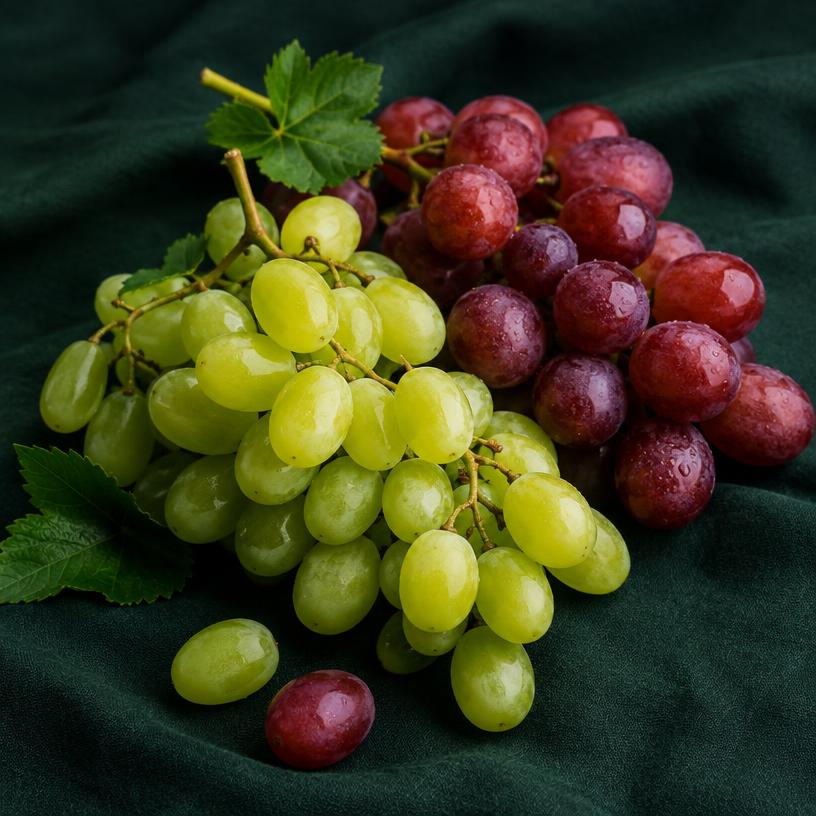
Working with an Egyptian Grapes Exporter
Grapes are a visible line in the Egyptian offer and often used to test a new supplier. Quality differences are obvious on arrival: firm berries, intact stems and even bunches signal care; shrivel, bruising and brown stems signal the opposite.
An Egyptian Grapes Exporter should discuss current varieties, expected size and sugar levels, and the handling sequence. Al Arabiya lists grapes and coordinates harvesting, sorting and grading, packing, cold storage and export coordination. Ask which steps apply to your lot.
Varieties and What They Mean
Table grapes are commonly split into seeded and seedless types, differing in berry size, colour, texture and flavour. Seedless lines suit many retail markets; seeded varieties remain important for certain buyers. Confirm what is actually available.
Ask for the varietal list, berry size range and taste profile. Availability varies by season and variety, and growing conditions can affect both size and sugar accumulation.
- Confirm seeded or seedless types for your market.
- Agree berry size, colour and sugar level in writing.
- Request samples before a first commercial order.
Export Specifications and Grading
A workable specification covers bunch weight, berry diameter, sugar level, colour, stem condition and defect tolerance. State how samples are taken and what happens if a lot falls outside the agreed range. Vague descriptions invite dispute.
In /quality-certifications discussions, keep commercial grade separate from regulatory documents. Ask for relevant records and check scope. Use /products to shortlist the lines to evaluate.
Cold Chain and Handling
Grapes lose quality fast if field heat is not removed promptly. Rapid pre-cooling, stable storage temperatures and careful stacking are central. Ask how soon fruit is cooled after harvest and how temperature is monitored in transit.
Packaging supports the cold chain: perforated liners, cushioned cartons and stable pallets reduce damage and allow airflow. Review /packaging, then /export-process to see where responsibilities change hands.
Sourcing Checklist
Before booking, confirm variety, grade, pack, label artwork and shipping window. Decide how claims are handled and who pays for a rejected lot. Put this in the purchase order.
Track arrival condition, stem colour, berry firmness and sugar on early lots, then refine the specification. When scaling, use /contact or contact Al Arabiya at +20 10 63300028.
Frequently Asked Questions
- What should a grape contract include?
- Bunch weight, berry size, sugar, colour, stem condition and defect tolerance, plus sampling and a remedy for out-of-grade lots.
- How important is pre-cooling?
- Very: field heat must be removed quickly, then stable temperatures protect firmness and stems. Ask how cooling and monitoring work.
- Are seedless grapes always available?
- No. Availability varies by season and variety. Confirm the current list and agree specifications before planning.
- How can I check a supplier’s claim?
- Request documents relevant to your shipment, verify scope and validity, confirm handling directly, then measure arrival on a trial order.
Conclusion
Grape sourcing rewards precision in the specification, verified handling and a protected cold chain from harvest to destination. An Egyptian Grapes Exporter who explains the steps and confirms documentation is easier to work with than one relying on general promises. Start with a monitored trial, measure the result, then scale. For a tailored quotation, contact Al Arabiya at +20 10 63300028 or use /contact.