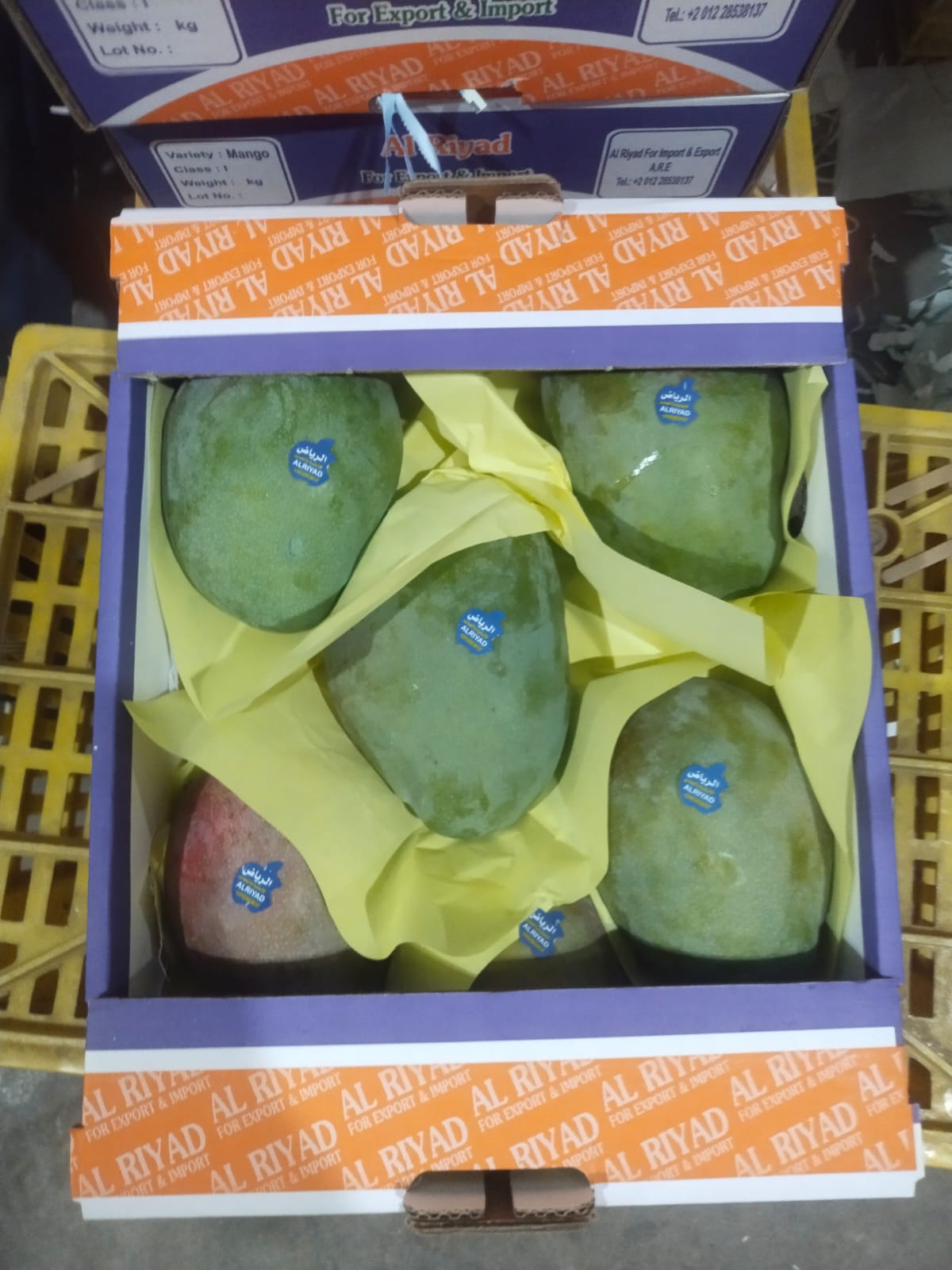
What an Egyptian Mango Exporter Should Clarify
Mangoes are a premium line, and expectations differ sharply. Some customers want firm fruit that ripens on the shelf; others want ready-to-eat maturity on arrival. An Egyptian Mango Exporter should state maturity at harvest, expected ripening and the varieties currently available.
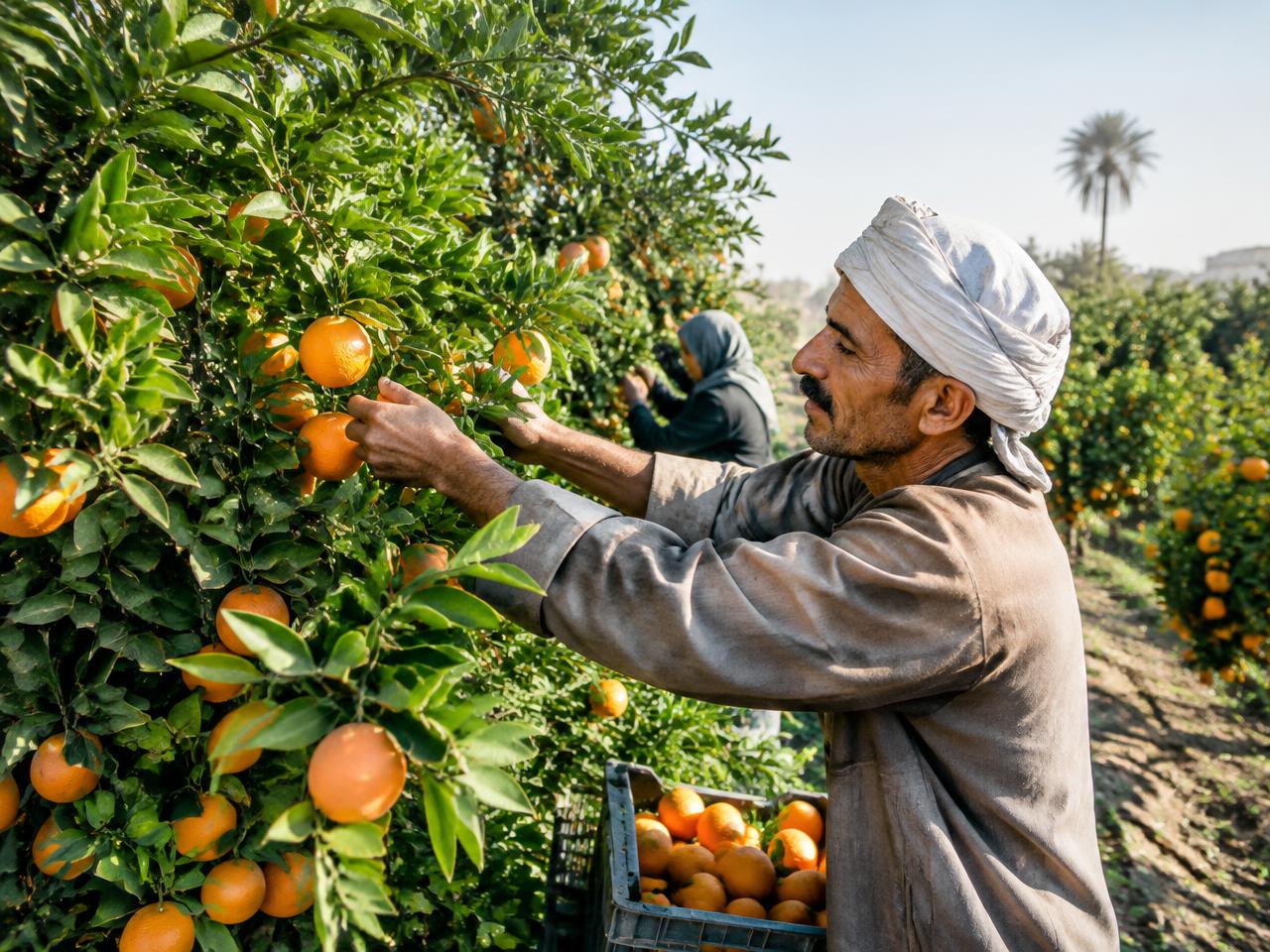
Al Arabiya lists mangoes and coordinates harvesting, sorting and grading, packing, cold storage and export coordination. Ask which steps apply to your lot and how maturity is assessed. General descriptions are not enough for a valuable consignment.
Varieties and Buyer Preferences
Varieties differ in size, skin colour, fibre, flavour and shelf life. Some are favoured for eating because of low fibre and aroma; others suit processing or travel well. Treat these as broad categories, not a guarantee of a variety in a given week.
Ask which variety suits your customer, then request samples, size distribution and typical arrival condition. Availability varies by season and variety, and weather during growth can shift both timing and quality.
- Confirm the varieties offered and their intended use.
- Request samples to judge aroma, fibre and eating quality.
- Agree size ranges and maturity stage before ordering.
Harvest Seasons and Timing
Egyptian mangoes are generally linked to warmer months, but there is no universal window. Early, mid and late varieties mature at different times; region, weather and orchard practice set the dates. Plan on confirmed availability.
Since mangoes ripen after picking, the harvest moment is critical. Fruit picked too early may never develop full flavour; fruit picked too late may not survive the journey. Agree maturity criteria and allow a buffer.
Grades, Defects and Quality Checks
Commercial grades consider size, shape, skin condition, maturity and defects such as bruising or blemishes. Define these in writing and agree sampling. Buyers accepting vague terms have little recourse if a lot arrives uneven.
For /quality-certifications talks, separate the commercial specification from documents your destination requires. Request records and check scope. The /products catalogue helps shortlist lines.
Packaging and Temperature
Mangoes need packs that protect without trapping heat: padded, well-ventilated cartons with consistent counts and stable pallets. Discuss the format with your supplier and align it with your warehouse. The /packaging guidance offers background.
Ask how quickly field heat is removed, what storage temperature is used and how conditions hold in transit. Review /export-process and /export-markets. Start with a controlled trial and record arrival maturity. Use /contact or call +20 10 63300028.
Frequently Asked Questions
- Do mangoes ripen after harvest?
- Yes, they keep ripening after picking. Agree the maturity stage at harvest and the temperature regime so fruit reaches the condition your customers want.
- When is the Egyptian mango season?
- Mangoes are linked to warmer months, but timing varies by variety, region and conditions. Confirm availability and maturity before booking.
- What should a mango grade cover?
- Size, shape, skin condition, maturity, defect tolerance and sampling, with the commercial grade kept separate from regulatory documents.
- How do I reduce losses in transit?
- Use protective, well-ventilated packs, remove field heat quickly, hold steady temperatures and define responsibilities in the Incoterm.
Conclusion
Successful mango sourcing depends on matching variety, maturity and timing to the customer, then protecting the fruit through packing and temperature control. Work with an Egyptian Mango Exporter who states these details and confirms documentation, and validate with a small trial. For availability and a tailored offer, contact Al Arabiya at +20 10 63300028 or use /contact.