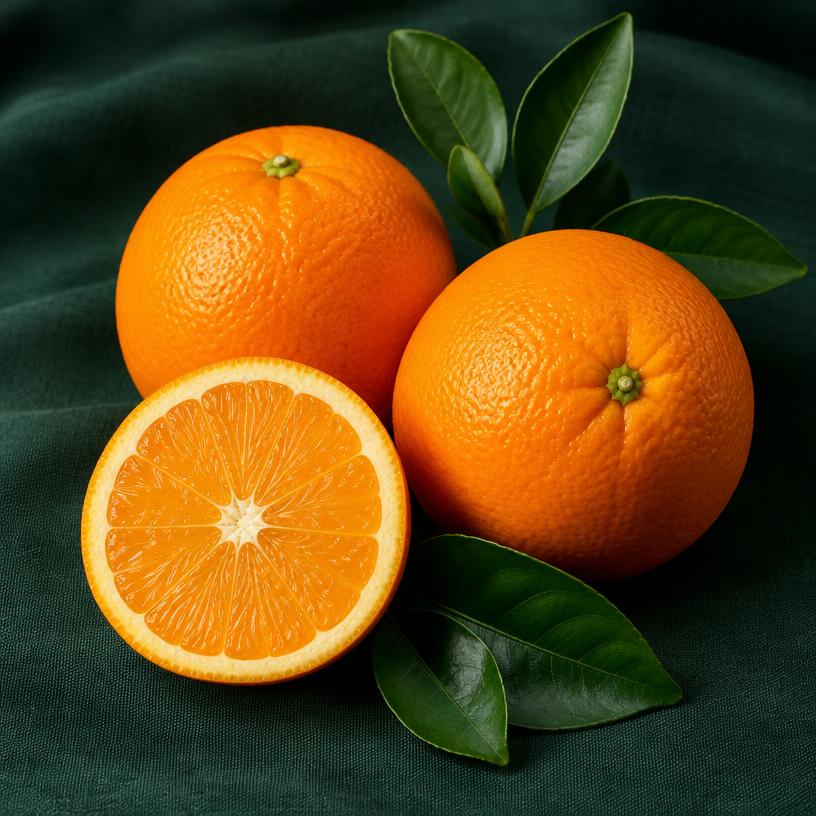
Why Work with an Egyptian Oranges Exporter
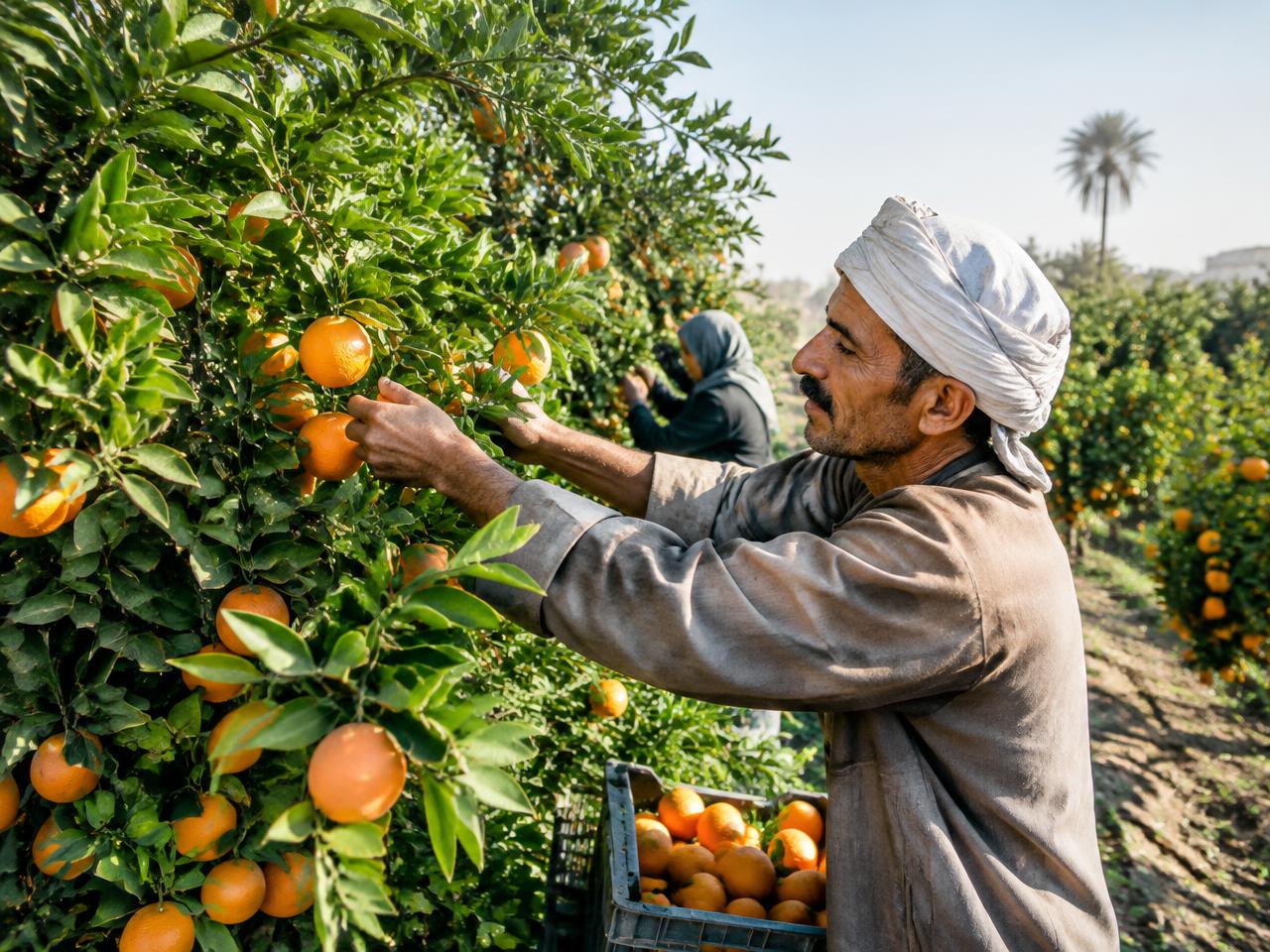
Egypt’s citrus sector serves domestic and export markets, and oranges are a flagship category. Buyers value varietal choice, established handling and a calendar that can complement other origins, provided timing is verified.
An Egyptian Oranges Exporter should discuss your market in concrete terms: varieties, size ranges, cartons and labels. Al Arabiya lists oranges and coordinates harvesting, sorting and grading, packing, cold storage and export coordination. Confirm the exact variety and pack.
Varieties and How to Choose
Oranges are grouped into juicing types, eating or navel types, and pigmented or blood oranges. Juicing types are valued for yield and flavour, navels for peel and ease of eating, blood oranges for colour. These are broad groups, not a promise of availability.
Ask which varieties are offered now, the size distribution and how fruit is graded for your destination. Availability varies by season and variety, and growing conditions shift size and sugar from lot to lot.
- Confirm whether you need juicing, navel or blood oranges.
- Agree size ranges, count per carton and colour tolerance.
- Request the current variety list and harvest window.
Grade, Size and Defect Expectations
Commercial grade usually combines diameter or count, colour uniformity, surface condition and freedom from bruising, scars or decay. Write these into the contract with tolerances and a sampling method. Terms such as “premium” are not a measurable specification.
In /quality-certifications discussions, keep the agreed grade separate from regulatory documents your market requires. Request relevant records and check scope. The /products catalogue shows how each line is presented before you request a quote.
Season, Harvest and Availability
Egyptian citrus is generally associated with cooler months, but no single date applies to all oranges. Early, mid and late varieties mature at different times; weather, region and orchard condition shape the window. Plan on confirmed supply.
Agree a realistic shipping window early and keep some flexibility. Ask how fruit is stored after harvest and how long it holds quality. A short, well-timed programme often beats a long one built on uncertain dates.
Packing, Temperature and Arrival
Oranges are robust but still need sensible handling: ventilated cartons, even stacking and protection from excess moisture. Discuss pack format, pallets and labels with your supplier. The /packaging guidance offers useful context.
Ask storage temperatures, how quickly field heat is removed and how transit is monitored. Check /export-process for the sequence and make your Incoterm assign responsibility clearly. When ready, send details via /contact or call +20 10 63300028.
Frequently Asked Questions
- Which orange varieties can I source?
- Offerings vary by season and variety. Ask for the current list, whether fruit is for juicing or eating, and the expected size distribution.
- When is the Egyptian orange season?
- Citrus is linked to cooler months, but windows depend on variety, region and conditions. Confirm current availability rather than a fixed date.
- How should oranges be graded?
- Agree size or count, colour, surface condition, defect tolerance and sampling. Keep commercial grades separate from regulatory documents.
- How do I protect quality in transit?
- Use ventilated packs, stable stacking and controlled temperatures, and define responsibility in the Incoterm. Ask about cooling and monitoring.
Conclusion
Sourcing oranges from Egypt works best when variety, grade and window are settled before the first booking. Use an Egyptian Oranges Exporter who explains handling and confirms documentation, and validate with a small trial. With clear specifications, oranges can anchor a dependable citrus programme. Contact Al Arabiya at +20 10 63300028 or use /contact.