One region, many operating conditions
First describe your destination precisely: does cargo arrive at a wholesale market near the port or travel long distances inland? The answer affects variety, maturity and pack. Hardier lines may suit long road journeys while delicate fruit needs tighter planning. Confirm availability with the exporter in each case.
Import rules, customs procedures and commercial requirements differ between countries in the region, and may vary by importer category and product. Do not rely on information borrowed from a neighbouring market. Identify your importer of record, request the required documents and markings, and share that list before the consignment is prepared.
Heat, shelf life and cold chain discipline
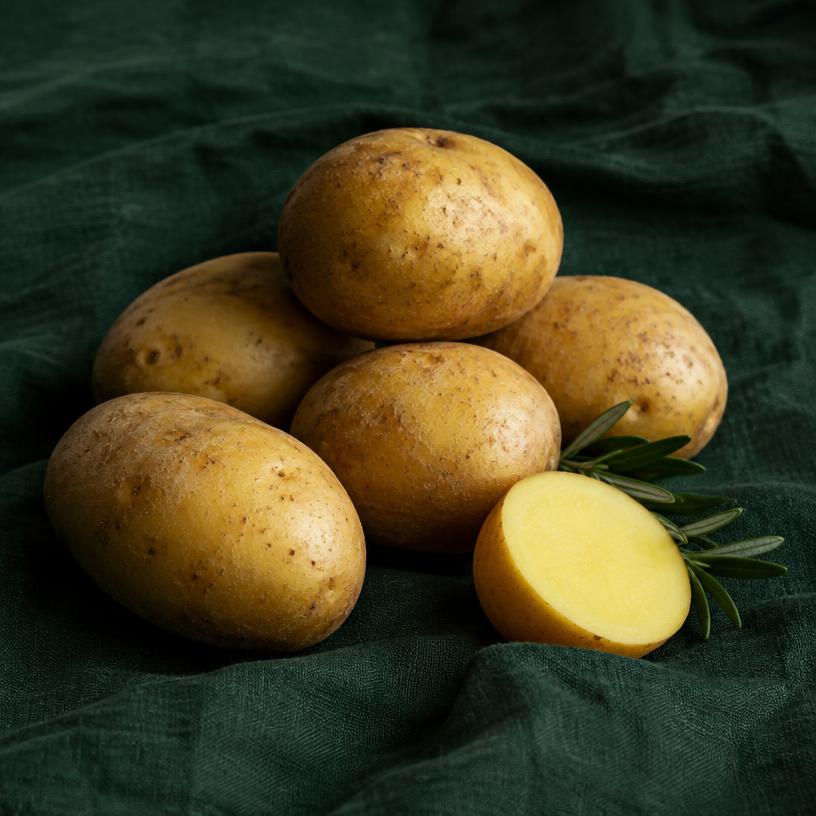
High temperatures compress the display window, especially when containers wait at a port or during clearance. Ask about target temperature for each line, field heat removal and how cooling is held inland. Potatoes, onions and garlic differ from strawberries, grapes and mangoes, so do not treat them as one group.
Define an arrival plan: who receives the container, how long handling takes and where produce is stored before distribution. Every unplanned hour affects quality. Discuss practical cold chain arrangements with the exporter, request temperature records where appropriate, and agree tolerance limits and claim procedures in advance.
Wholesale packs and mixed loads
A wholesale pack is judged by how well it protects produce, how easily it is handled and how clearly it communicates to buyers. Choose cartons or crates that suit your market handling, and define layer count, padding and unit weight before printing. Send the specification to the exporter in writing.
Export fruit and vegetable packaging helps reduce handling loss, but effective design depends on variety and destination. Use /packaging to frame questions and request a physical sample to check strength and stacking. Confirm that label language, marks and traceability data match your destination requirements.
Documentation and year-round planning
A practical file usually starts with a commercial invoice, packing list and transport documents, with additions depending on country and product. Do not assume every destination asks for the same set. Make the list part of the shipping agreement with a deadline and a named reviewer before dispatch.
The importer of record generally carries clearance and local compliance, while the exporter prepares goods and agreed documents, but the split is contractual and should be written down. Al Arabiya is an Egyptian agricultural export company offering harvesting, sorting and grading, packing, cold storage and export coordination, with details confirmed per consignment.
Frequently Asked Questions
- Are requirements identical across countries?
- No. Rules vary by country, importer category and product type. Check with the importer of record in your destination before planning the shipment.
- How do I protect delicate fruit in hot conditions?
- Start with field heat removal, define the variety-specific temperature, minimise port waiting and review temperature records. Ask the exporter about practical arrangements for each consignment.
- What should I include in a quote request?
- State country and city, required arrival date, lines of interest, grade, size and pack, and identify who will act as importer of record.
Conclusion
Success in Middle Eastern markets depends on matching product to destination conditions rather than on broad assumptions about the region. Define the transport route and importer requirements, plan for heat and shelf life, and agree packaging and documentation in writing. With many options, the key question remains: what is available now, and to what specification? Review /products for the general range, then send details through /contact. Availability varies by season, variety, region and weather, and rules differ by country.