What an Egyptian Agricultural Export Company Brings to the Table
The practical role of an exporter is to turn crops from farms into shipments that match your specification. That includes planning, handling, paperwork and coordination. When these steps sit with one contact, a sourcing program becomes easier to manage and less prone to gaps.
It is important to distinguish general industry information from the confirmed capabilities of a particular company. Al Arabiya states its products and services clearly, yet the buyer should confirm what applies to a specific order in writing before relying on it.
Breadth Across Fruit and Vegetable Lines
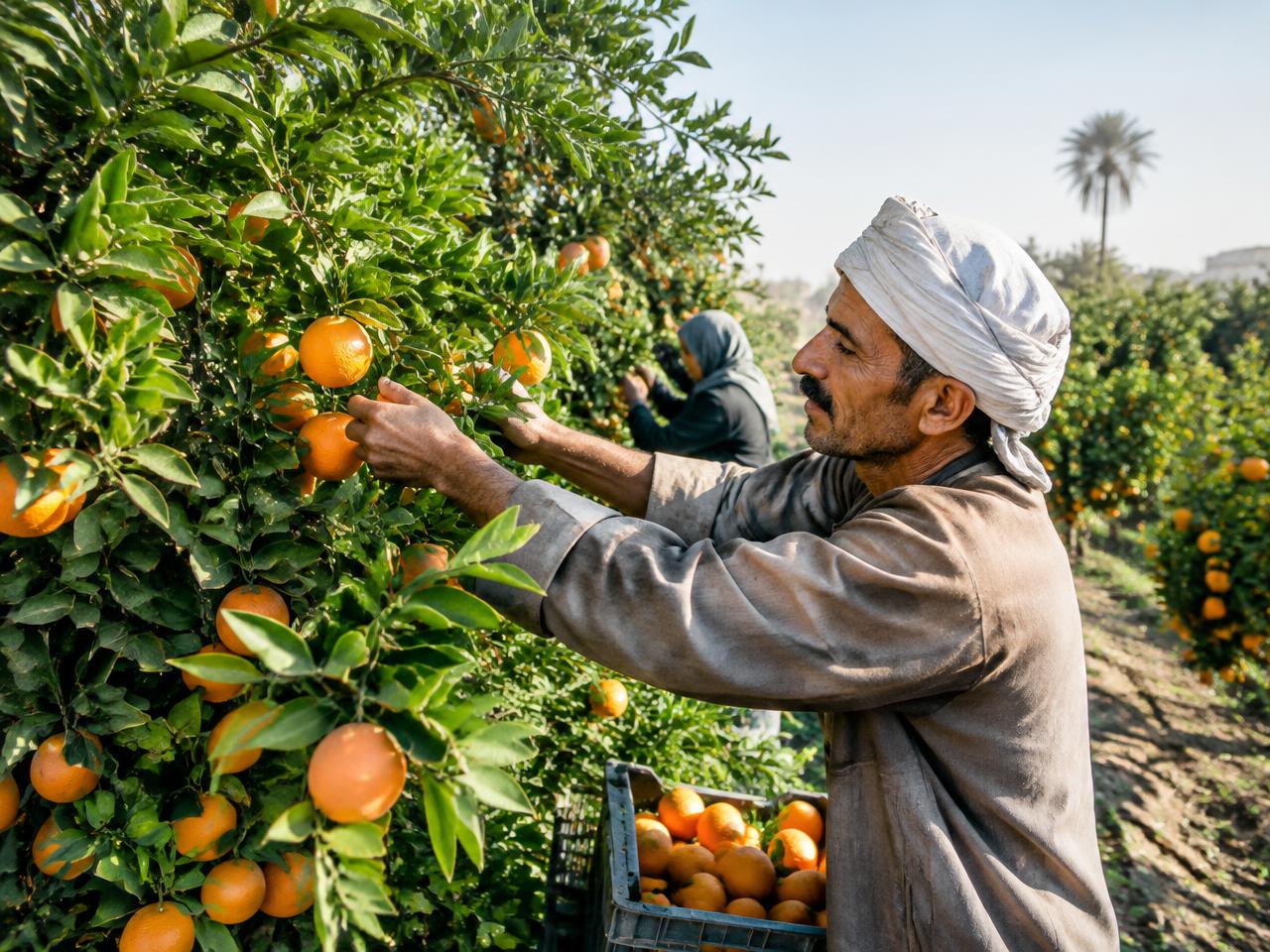
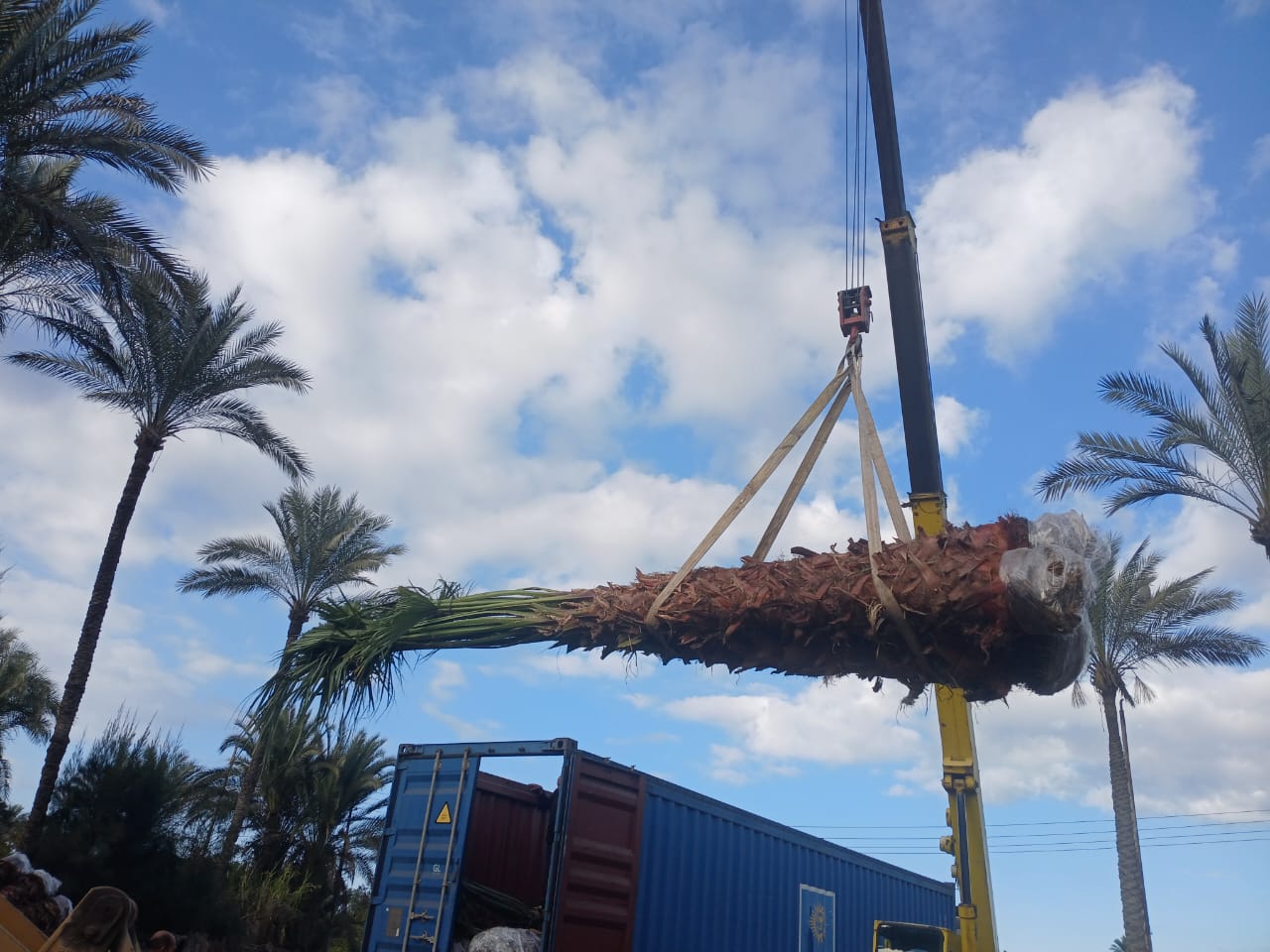
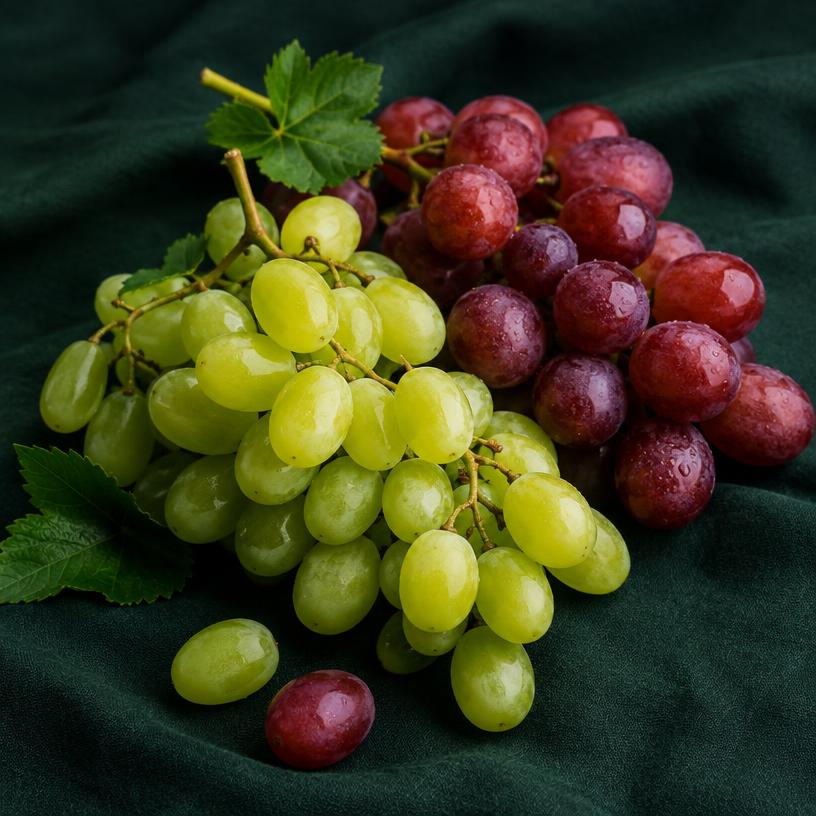
Buyers working with one source can bring together oranges, grapes, mangoes, guava, persimmon, peaches, pomegranates, strawberries, lemons and dates. Vegetable lines include potatoes, onions, garlic, tomatoes, peppers and green beans, alongside ornamental palms.
That breadth helps reduce the number of suppliers, but it does not mean every item can travel together. Each product has its own temperature and humidity needs. Review /products, then discuss with the exporter which combinations are practical in one load.
Seasonal Spread and Supply Continuity
Multiple growing areas and varied varieties allow purchases to be spread across different periods rather than concentrated in one short window. That helps distributors maintain a steady market presence, but it requires planning ahead.
Availability varies by season and variety, and a fixed monthly volume should not be assumed. Request availability windows for each item and ask about suitable alternatives. Buyers should confirm actual harvest and packing dates before closing any order.
Handling From Harvest to Shipment
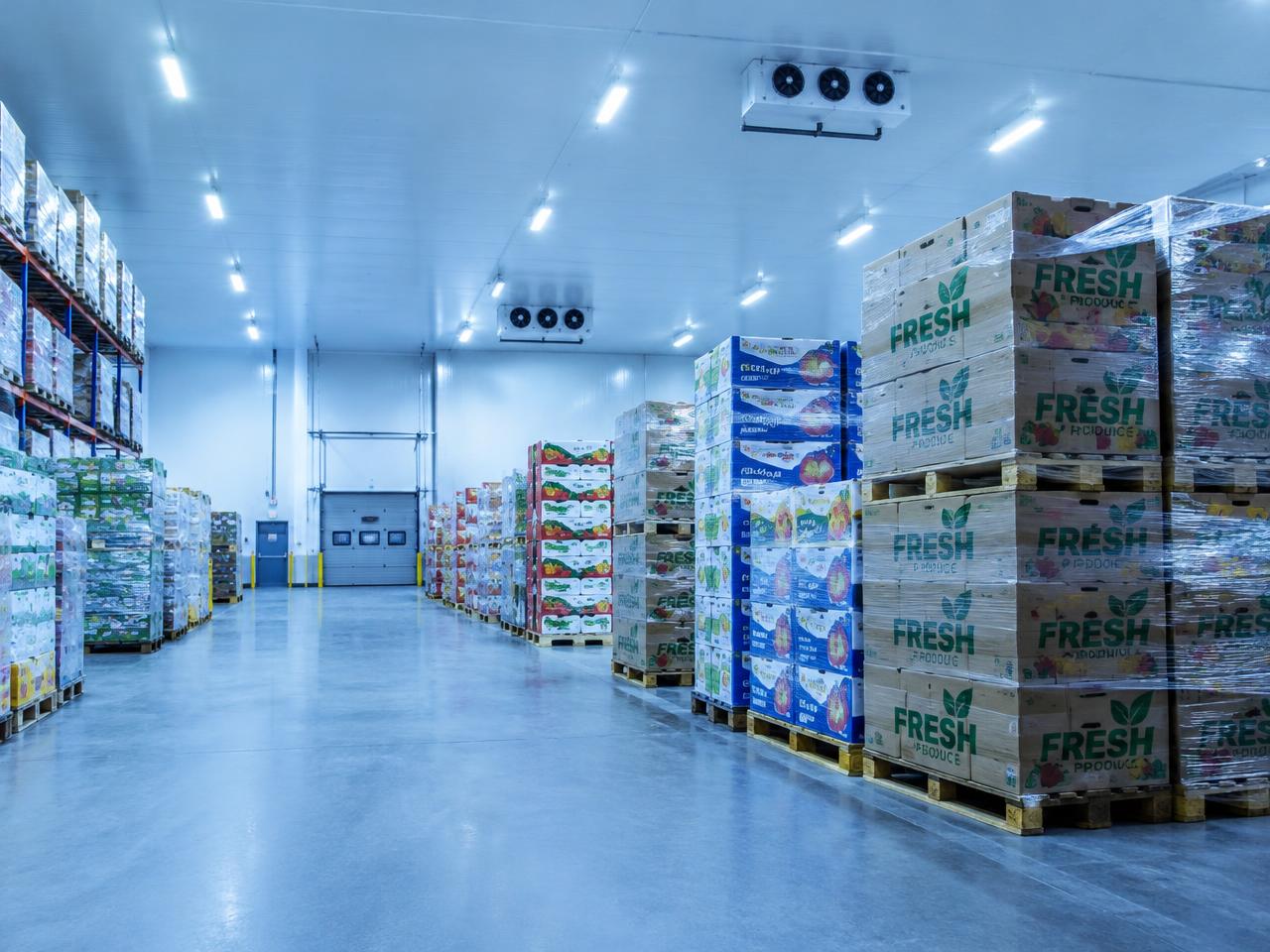
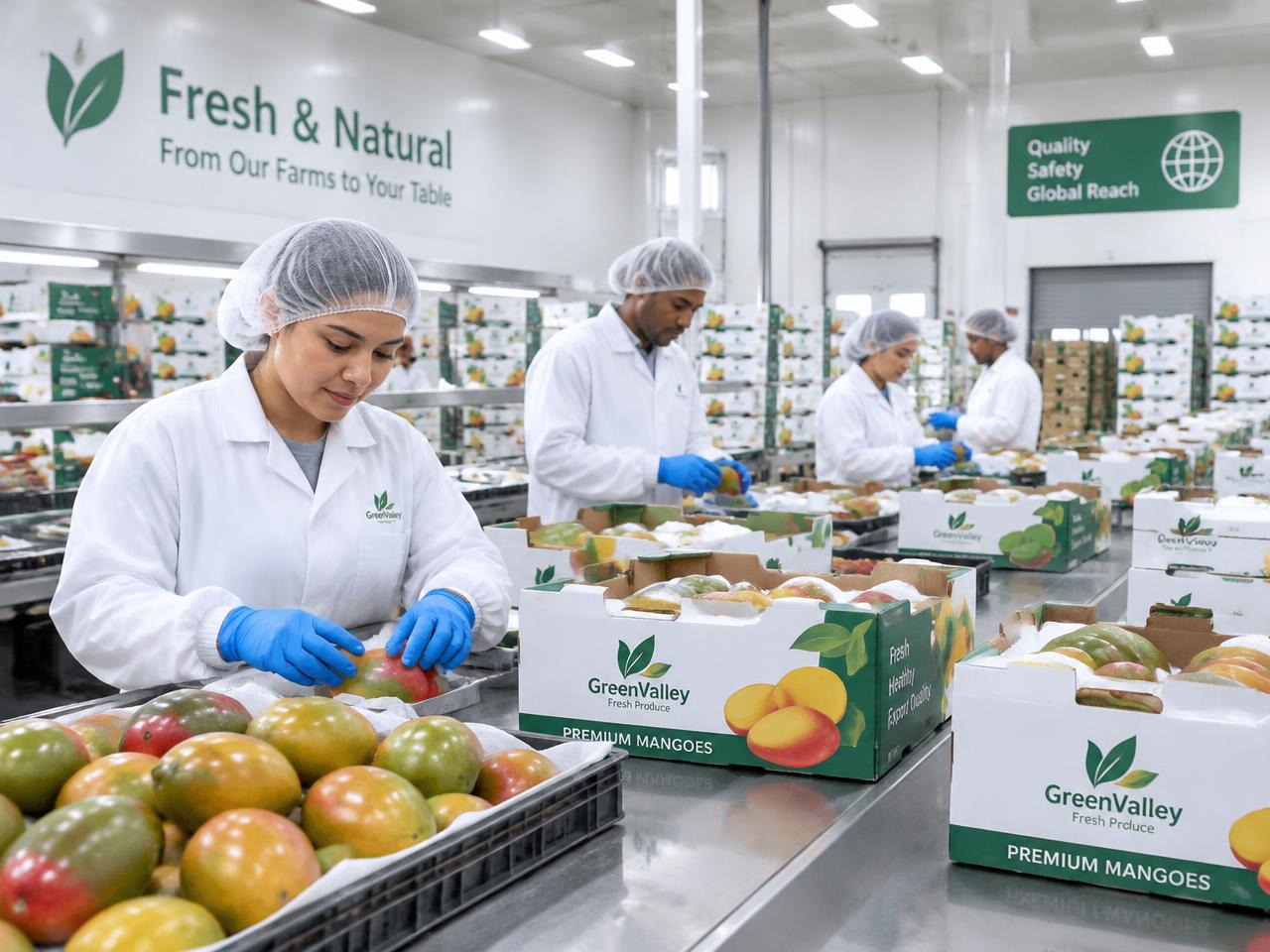
Practical services are an important part of the decision. Al Arabiya lists harvesting, sorting and grading, packing, cold storage and export coordination among its services. These steps reduce the number of parties a buyer must coordinate.
However, a service appearing on a supplier’s list does not define how well it is performed. Ask for details and clear criteria, and review /export-process for the general sequence. Then confirm which steps will apply to your own shipment.
How to Evaluate the Choice Objectively
Start by comparing offers on specification rather than price alone, then examine how enquiries and documents are handled. Transparency in answers before signing is a useful indicator of cooperation afterwards.
Finally, test the relationship with a small shipment before scaling. Record arrival quality, package condition and paperwork accuracy. Buyers who want to discuss sourcing options can reach Al Arabiya through /contact or WhatsApp at +20 10 63300028.
Frequently Asked Questions
- Does a broad product list mean the exporter specialises in every item?
- Not necessarily. Ask which items the exporter handles regularly, and request grade and packing details for each product you need before adding it to your order.
- How do I verify an exporter’s cold storage capability?
- Ask for a description of temperature ranges, storage duration and how readings are logged, then relate the answer to your item and shipment. Generic information is not enough on its own.
- Do certificates need separate verification?
- Yes. Buyers should request documents directly and confirm they are current and cover the product and destination market, rather than assuming based on general information.
Conclusion
International buyers choose Egyptian products because they combine a wide range, supply spread across seasons and practical support through the handling stages. Those advantages become real value only when translated into written specifications, verified documents and measurable performance. Treat an exporter as a partner tested by shipments, not a list of promises. Start with a clear enquiry through /contact and review results step by step.