Why Fruit and Vegetable Packaging for Export Matters
Fresh produce passes through several handling points between farm and consumer, each with impact, pressure and temperature changes. Good packaging is the last physical barrier against bruising and excess moisture, protecting the appearance that buyers assess on arrival.
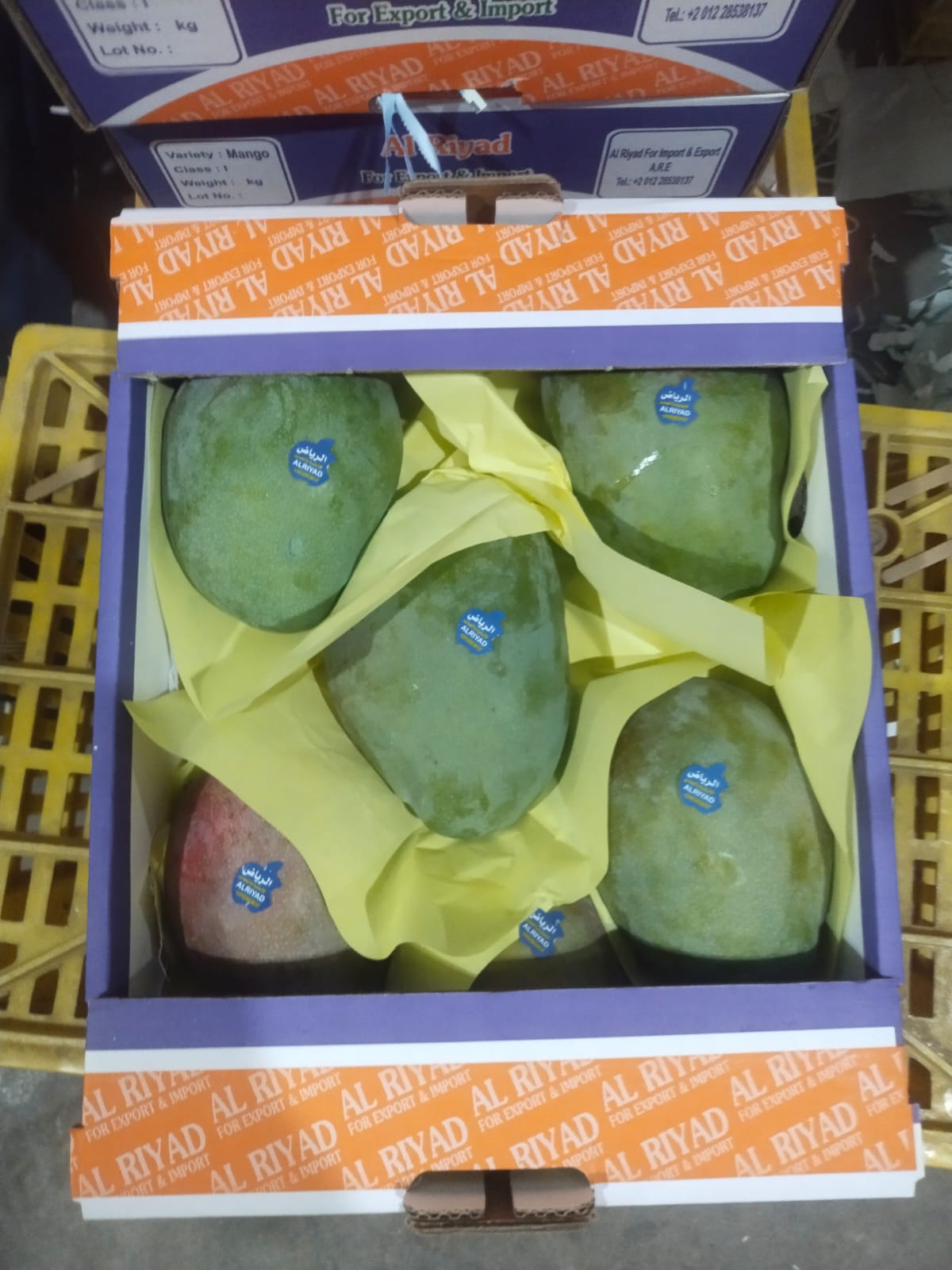
Beyond protection, packaging serves a commercial and regulatory role: the carton carries variety, grade, weight and lot number, data importers need for stock management and traceability.
- Reduce mechanical damage and moisture loss in transit.
- Carry the traceability data importers rely on.
Common Packaging Types and When to Use Them
Packaging ranges from corrugated cartons and wooden crates to mesh bags and plastic punnets. The right choice depends on fruit size, weight, bruise sensitivity and how the product will be handled at market, not on price alone.
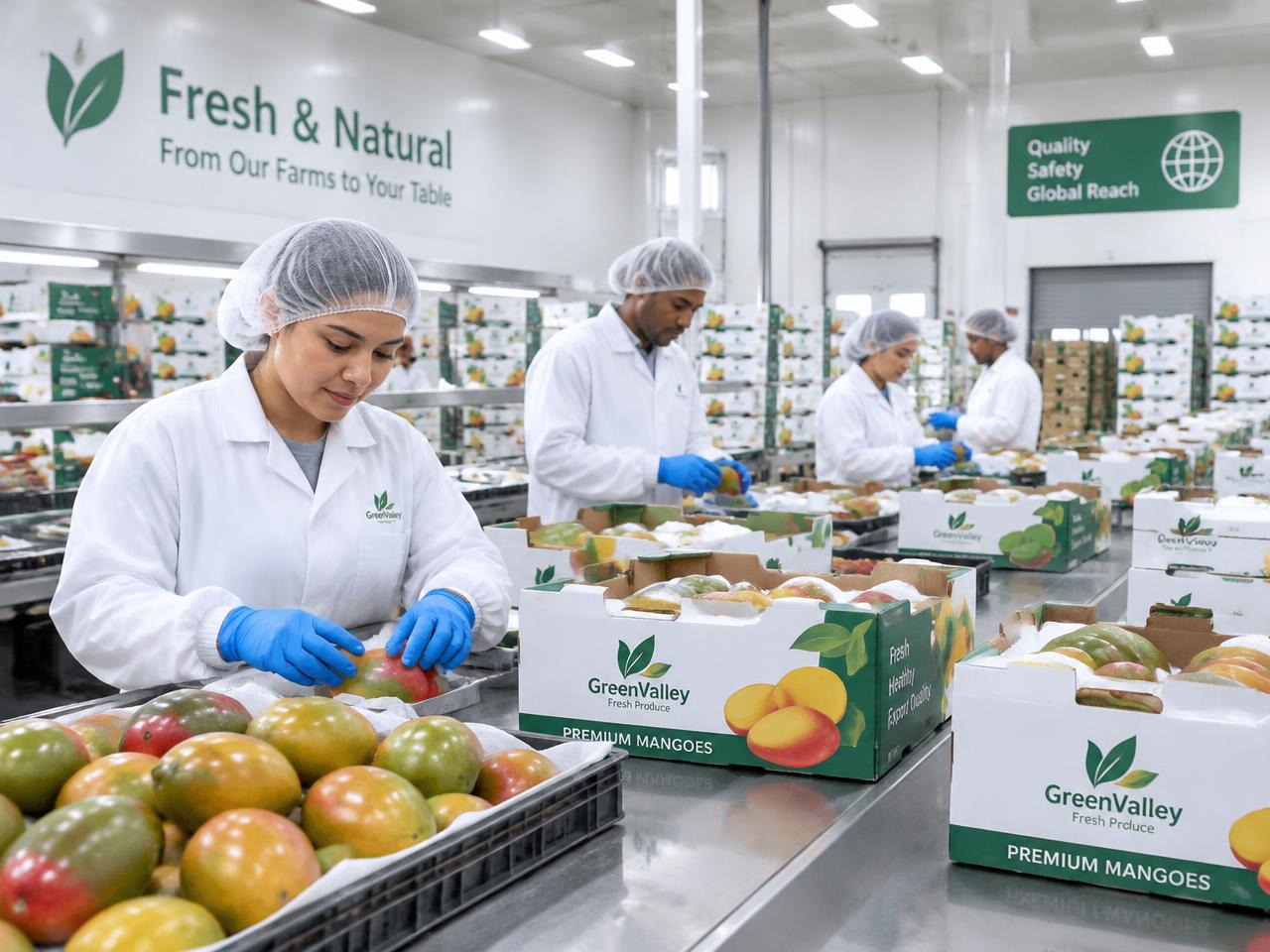
For example, fruits such as mangoes are often shipped in cartons with padding, while strawberries are packed in small punnets that shield them from pressure. Potatoes and onions are sometimes packed in mesh bags that allow good airflow.
- Corrugated cartons: for delicate fruit and premium grades.
- Mesh bags: for root crops that need ventilation.
- Plastic punnets: for small, pressure-sensitive fruit.
Choosing Materials: Corrugated, Plastic and Wood
Corrugated fiberboard is the most widely used material in fresh produce trade because it is light, foldable and can be made with ventilation holes. Board strength varies, so carton strength should be matched to shipment weight and stacking height.
Wooden pallets and crates are subject in many markets to international rules on wood treatment, and importers should verify the requirements that apply in their country.
Ventilation, Cushioning and Stackability
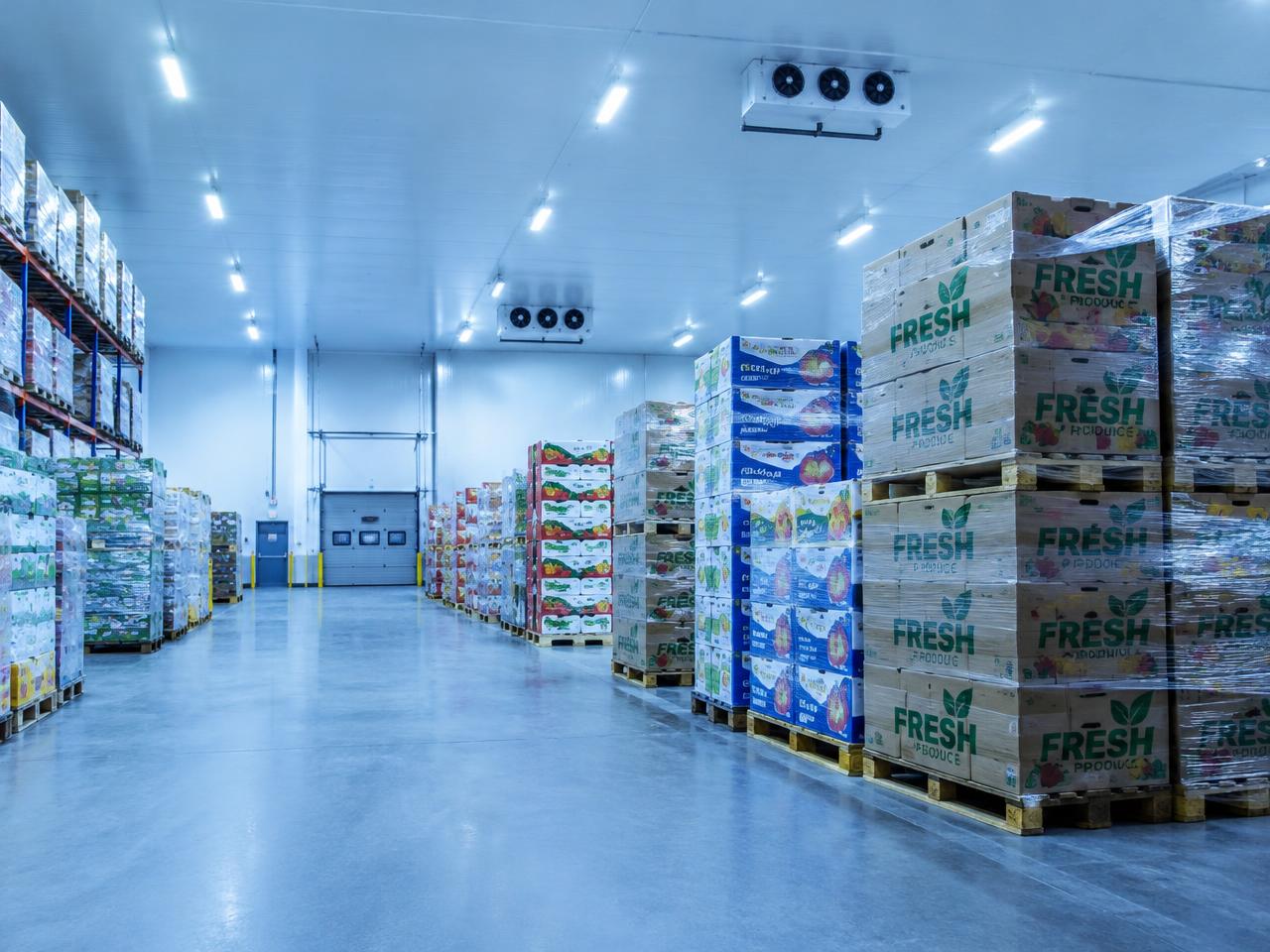
Fruit and vegetables continue to respire after harvest and need air exchange. Vents in carton walls help cold air reach the produce and carry away respiration heat, which is directly linked to how smoothly the cold chain performs.
Cushioning such as foam sleeves or nets reduces friction between fruits, while carton strength protects lower layers under pallet stacking. Stack patterns should be tested before shipment, and layers kept within what the package can safely bear.
Labeling, Traceability and Buyer Requirements
A label usually shows the product, variety, grade, size, piece count, net weight, lot number and country of origin. This information helps the importer inspect the shipment and manage stock, and it forms the basis of any contractual traceability system.
Labeling rules and codes differ between markets, so importers should confirm local requirements before packaging is finalized. General workflow steps can be reviewed on the /export-process page, and required specifications can be discussed through /contact before carton quantities are set.
Frequently Asked Questions
- What is the most commonly used material for export produce packaging?
- Corrugated fiberboard is the most common thanks to its light weight and ventilation options, but the final material depends on the commodity, shipment weight and transit distance.
- How do I know my market's packaging requirements?
- Check your country's regulations and agree specifications in writing with your importer, including labeling, weight and piece count, before the package design is approved.
- Does packaging affect product shelf life?
- Yes. Ventilation, cushioning and package strength influence moisture loss and bruising, factors directly linked to quality on arrival.
Conclusion
Packaging is not merely an outer shell; it is part of product quality itself. Choose the type and material based on the commodity and the target market, and agree specifications in writing before shipment. Al Arabiya includes packing within its export services, and you can discuss your needs by phone or WhatsApp at +20 10 63300028.