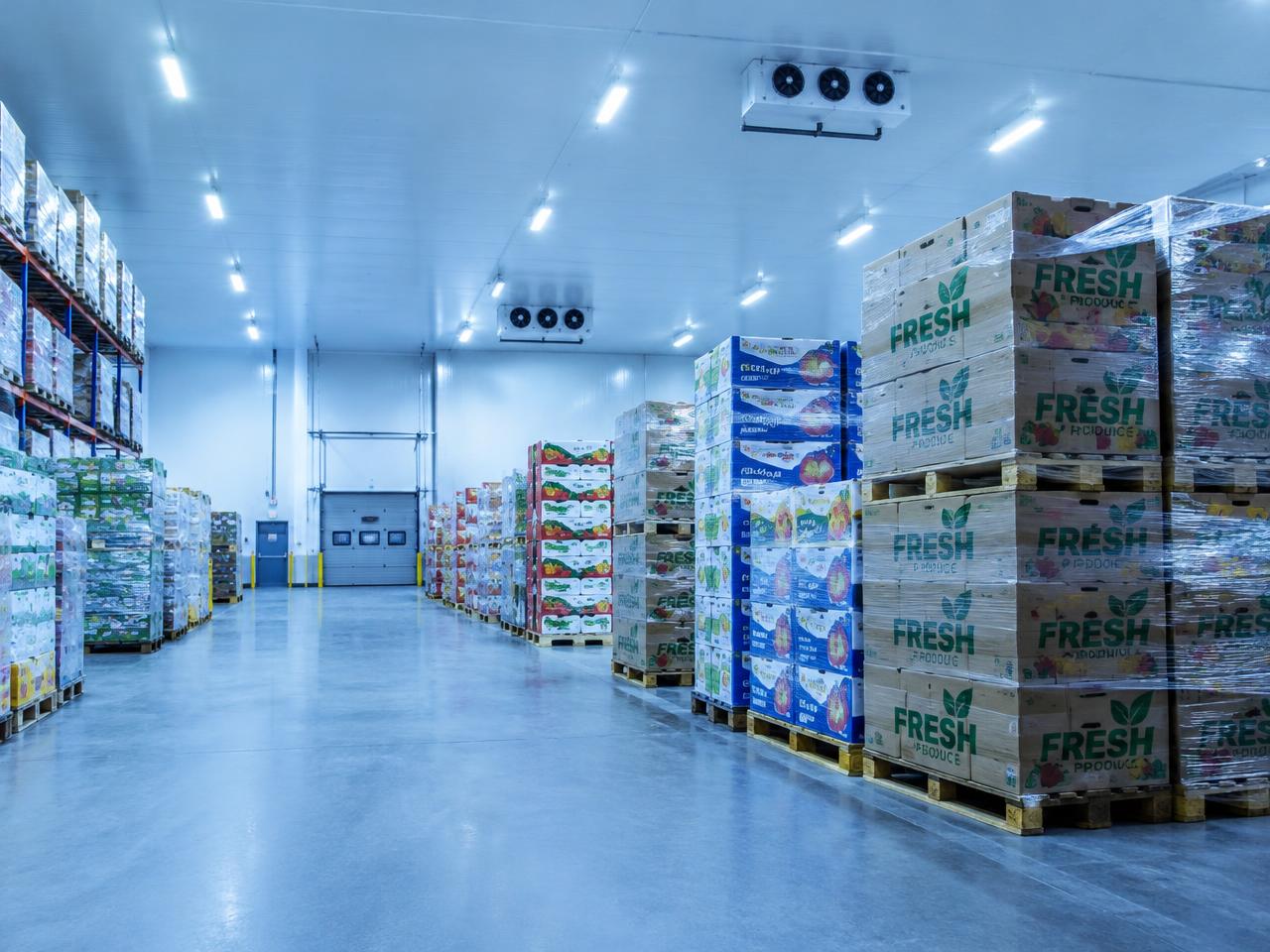
What Fresh Produce Cold Chain Logistics Really Means
A cold chain is a sequence of connected steps that keep produce within a suitable temperature range from harvest to delivery. Any gap in one link allows fruit temperature to rise, and that rise cannot be fully reversed later.
The goal is not one universal temperature, but suitable conditions for each commodity. Some crops are chilling-sensitive while others tolerate colder settings, so general figures should be treated as guidance and the exact range confirmed with the importer.
Pre-cooling: The First Link
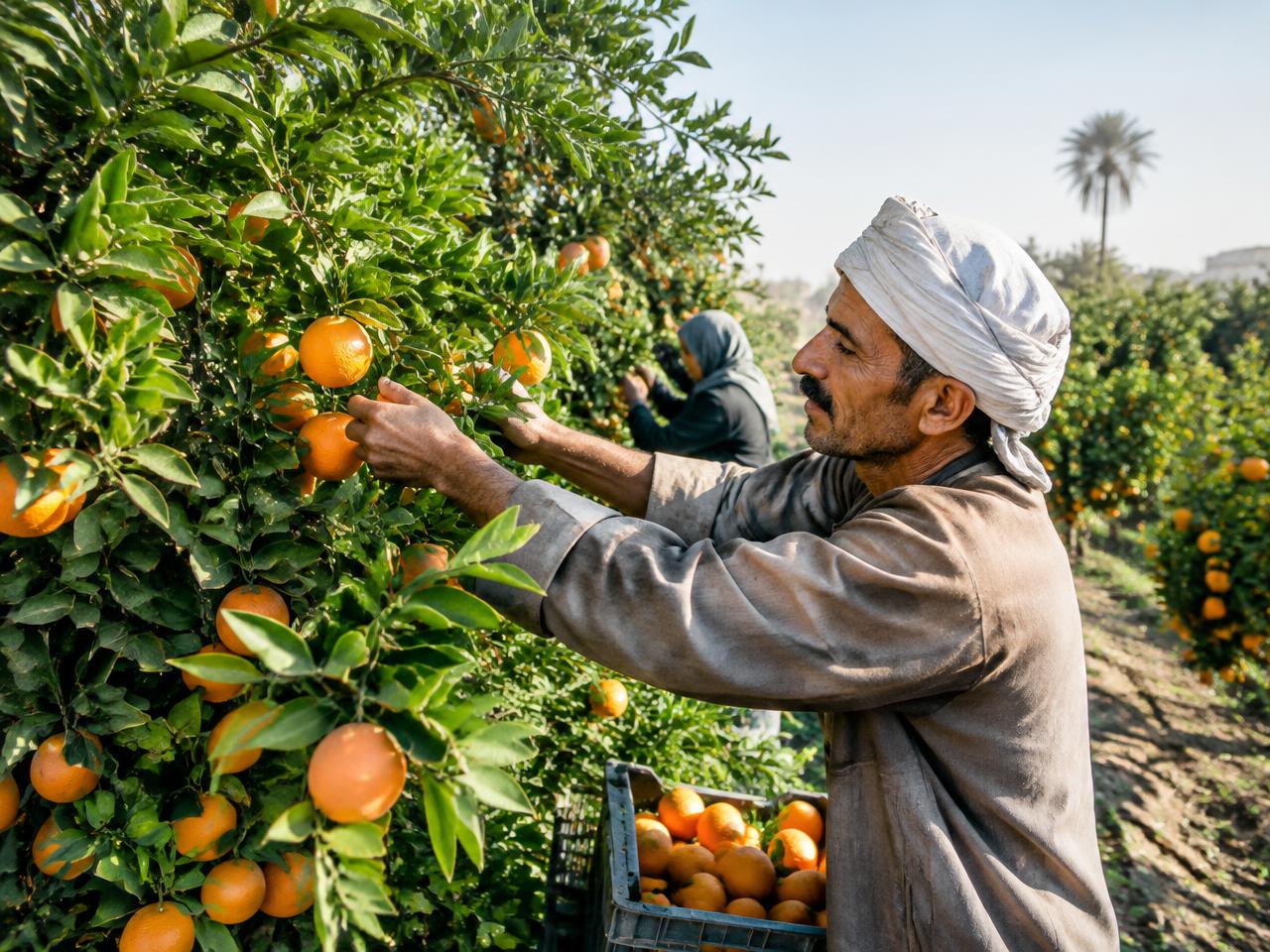
Quality begins with lowering temperature soon after harvest. Removing field heat quickly slows respiration, delays aging and preserves texture and color, an important step before packing or longer storage.
Pre-cooling methods include forced air, hydro-cooling and vacuum cooling, each suited to different products and timelines. Buyers can discuss the method with their supplier; Al Arabiya handles harvesting and storage within its services without claiming specific equipment.
Transport, Storage and the Risk of Breaks
During road or sea transport, refrigeration units must run continuously and be brought to temperature before loading. Frequent door openings and loading a warm batch at once are common causes of temperature rise.
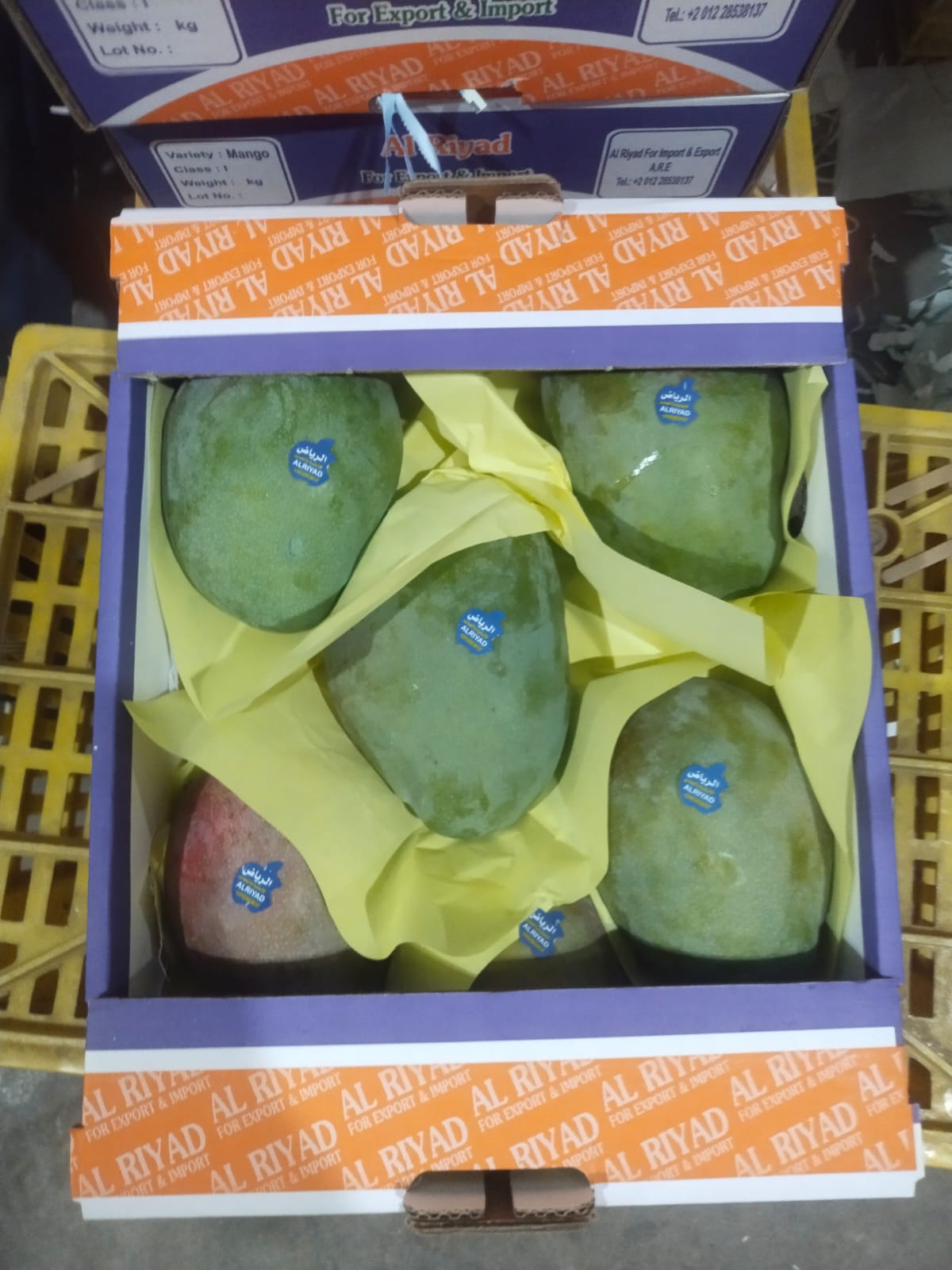
Load arrangement and airflow around cartons also affect how evenly cold air circulates inside a container. Packaging that allows airflow, as discussed on the /packaging page, helps cooling reach all layers, while fully sealed packages can obstruct it.
Monitoring, Measurement and Records
Temperature data loggers and probes are used to track conditions during the journey, and these records provide evidence during inspection or contractual disputes. The measurement method and sensor positions should be agreed in advance.
A single reading at the midpoint is not enough; temperature varies between the top and bottom of a container and near doors versus the rear wall. Reviewing the full journey record is more useful than the final reading alone.
The Supplier's Role and Building Importer Confidence
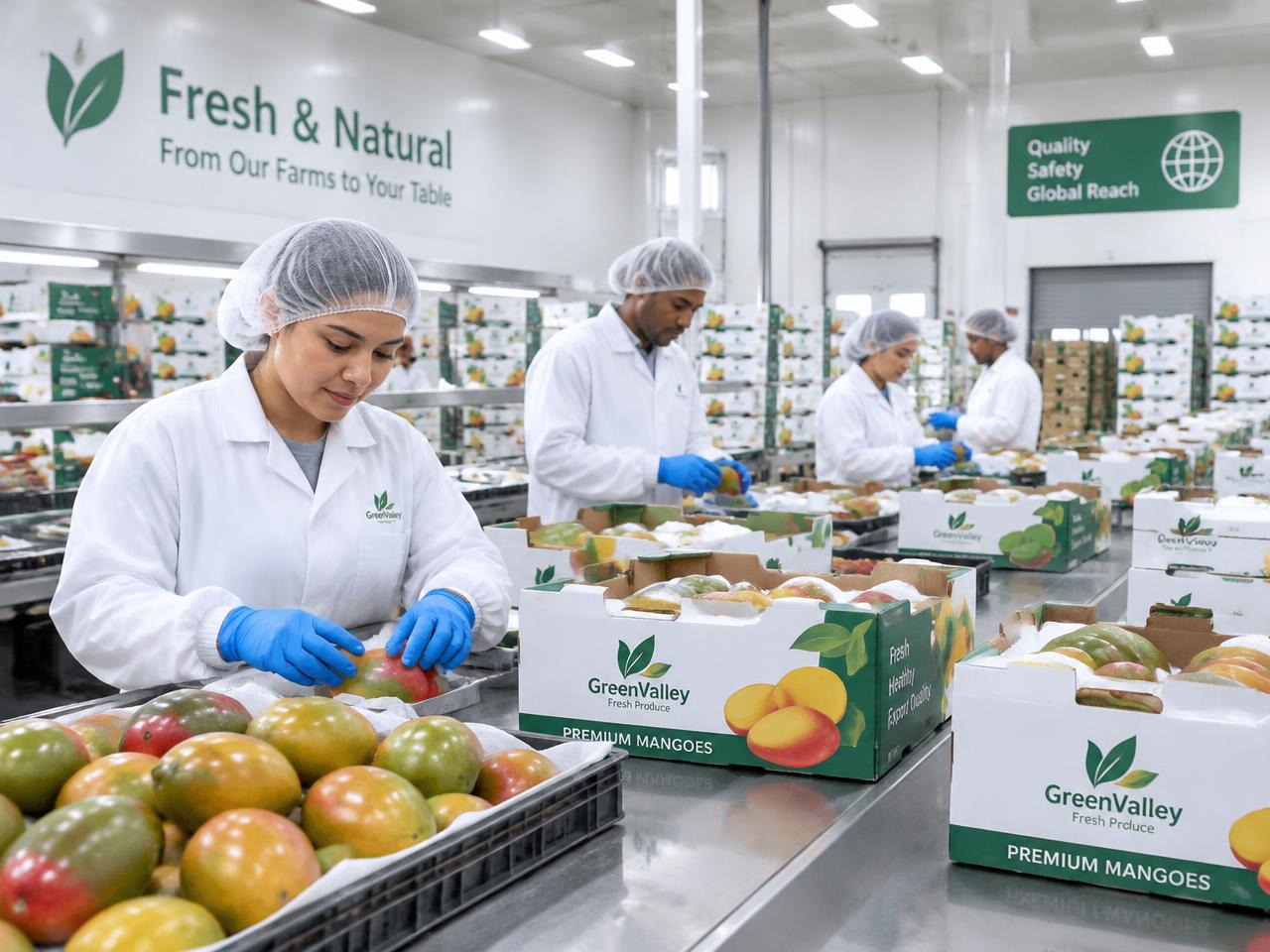
Importers need a clear picture of what happens to produce after harvest and before shipment. A supplier who explains harvesting, sorting, storage and export steps helps with receiving plans and reduces surprises, which Al Arabiya provides as general coordination services.
Ultimately, exact specifications remain a shared responsibility; climate, variety and journey length all shape the decision. General considerations can be reviewed on the /export-process page, and technical details should be confirmed directly before signing a contract.
Frequently Asked Questions
- Is the same temperature suitable for all fruits and vegetables?
- No. Each commodity has its own suitable range and some are chilling-sensitive. Importers should confirm the required range for each product separately.
- What is the effect of a short break in the cold chain?
- Even a short break can speed ripening and moisture loss, and its impact depends on the commodity, ambient temperature and duration of exposure.
- How can I verify a shipment's condition on arrival?
- Review temperature records, then assess appearance, texture and moisture, and compare results with the specifications agreed in the contract.
Conclusion
The cold chain is an investment in quality before it is a logistics cost. Pre-cooling, consistent transport, accurate monitoring and clear specifications all protect the value of a shipment. Al Arabiya works in harvesting, storage and export coordination, and you can contact us to discuss your shipments at +20 10 63300028.