Sorting versus Grading
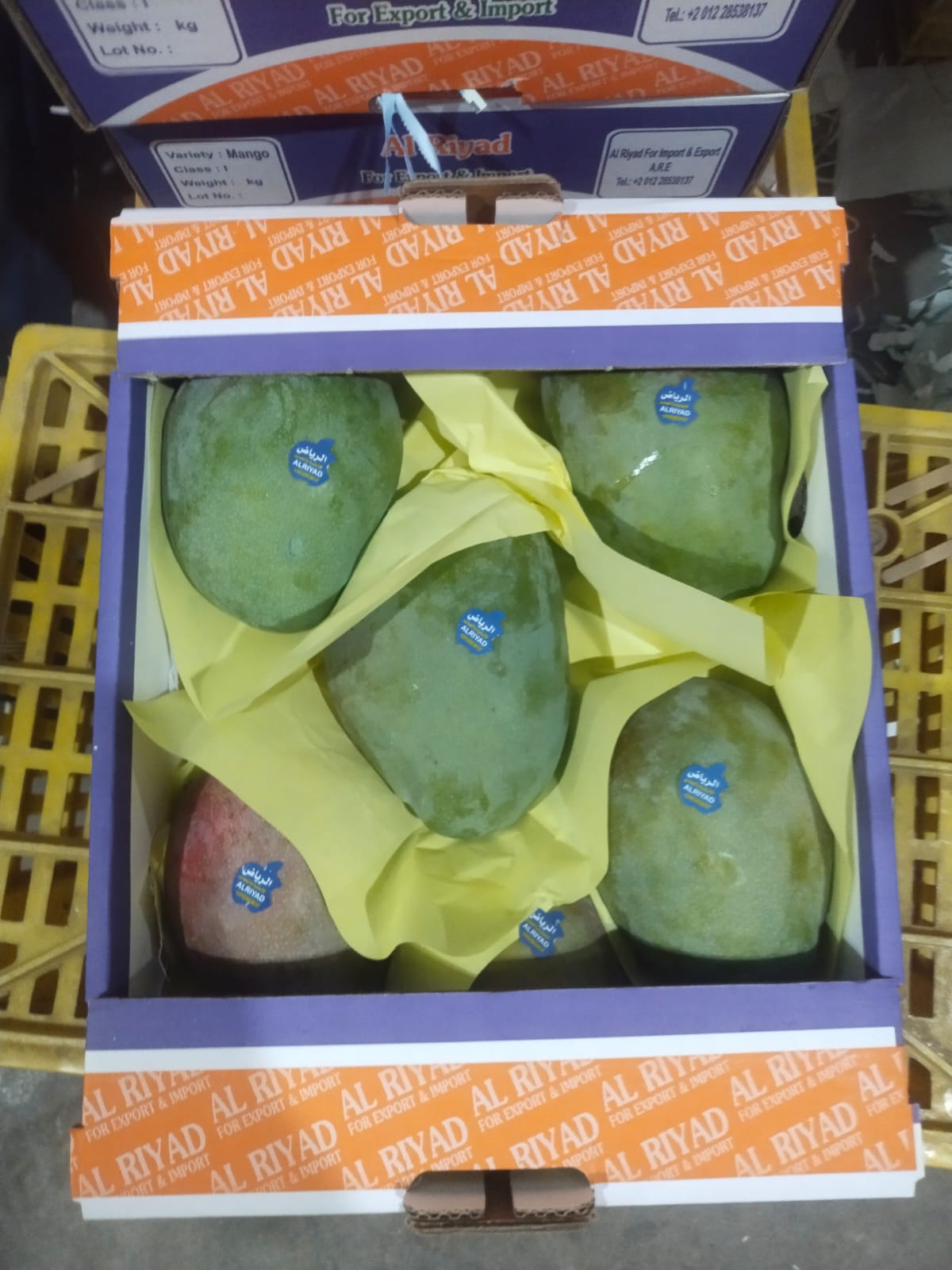
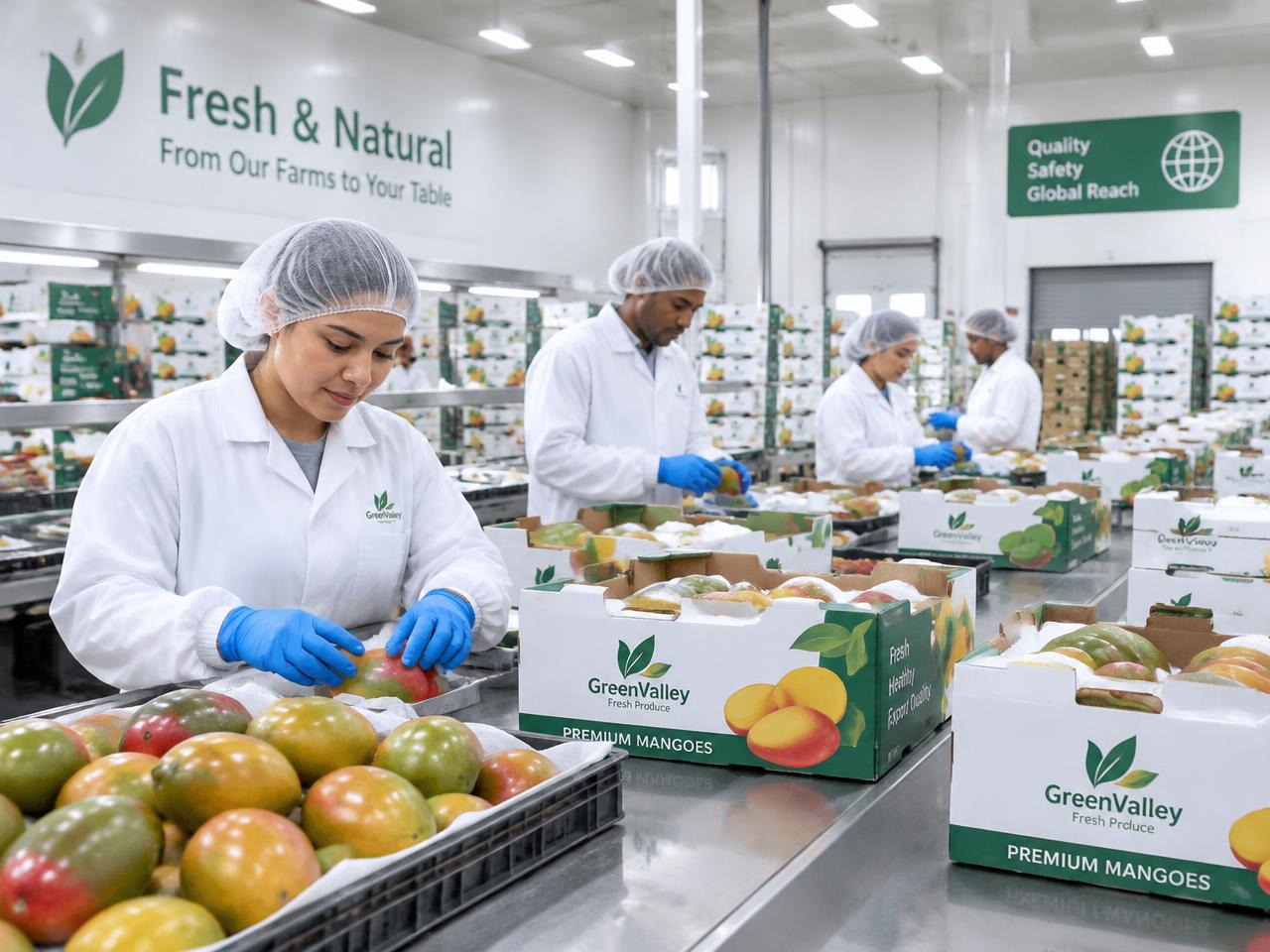
Sorting separates produce by traits such as size, color or the presence of defects, while grading assesses quality against agreed criteria such as first or second grade. The two steps are related but serve different functions in the export chain.
Good sorting keeps small or damaged fruit out of a package sold as premium, while grading gives the buyer a shared language for the market. A supplier such as Al Arabiya offers sorting and grading services, but the definition of each grade must be explicitly agreed by both parties.
Why Importers Value Uniformity
Markets display produce in uniform packs, so mixed sizes within one package weaken presentation and complicate pricing. Uniformity supports more accurate piece counts and net weights and reduces surprises at inspection.
Uniformity also affects packing and transport efficiency: similar packs stack more easily on pallets and container space can be planned more precisely. Buyers working with a Fresh Vegetables Supplier typically request written specifications covering size range and permitted grade.
Practical Criteria for Inspection and Measurement
Common criteria include measuring diameter or weight with gauges and scales, and checking color, shape and skin for cuts, splitting or pests. These methods and measuring tools should be specified in the agreement so both parties reach the same result.
It is also useful to define an allowable tolerance, meaning the acceptable deviation from the specification within a lot. Without it, disputes can arise at receiving even when the product is fundamentally sound, so it is best included in the specification sheet.
Sorting and Post-Harvest Quality Protection
Sorting is not only cosmetic; removing damaged fruit prevents spoilage from spreading through the lot during storage and transit. A damaged fruit releases gases that speed ripening nearby, so early removal is part of quality protection.
It should be done gently to avoid new bruises and coordinated with packing and cooling steps. Related considerations can be found on the /packaging and /export-process pages, noting that technical details vary by commodity and season.
Building Clear Specifications with Your Fresh Vegetables Supplier
Before the season begins, prepare a written list covering variety, grade, size range, pieces per package, net weight, tolerance and inspection method. This list becomes the reference at receiving and reduces reliance on personal judgment.
The procedure for non-conforming lots, such as re-inspection or replacing part of a shipment, should also be agreed. Having these steps in place protects both sides, and detailed needs can be discussed via /contact before quantities are fixed.
Frequently Asked Questions
- What is the practical benefit of quality grades?
- Grades give buyer and supplier a shared language for what is produced and shipped, reducing disputes and making pricing easier.
- Do sorting standards differ between markets?
- Yes. Preferences for size, color and pieces per pack can differ, so target-market requirements should be confirmed before final approval.
- How can I confirm specifications are being applied?
- Agree a written inspection method and tolerance, and request a sample or inspection records representing the lot before the final quantity ships.
Conclusion
Good sorting and grading turn fresh produce from an unpredictable commodity into a shipment you can plan and market with confidence. Start with clear written specifications and agree details with your supplier before the season. Al Arabiya offers sorting and grading within its services, and you can discuss your specifications at +20 10 63300028.