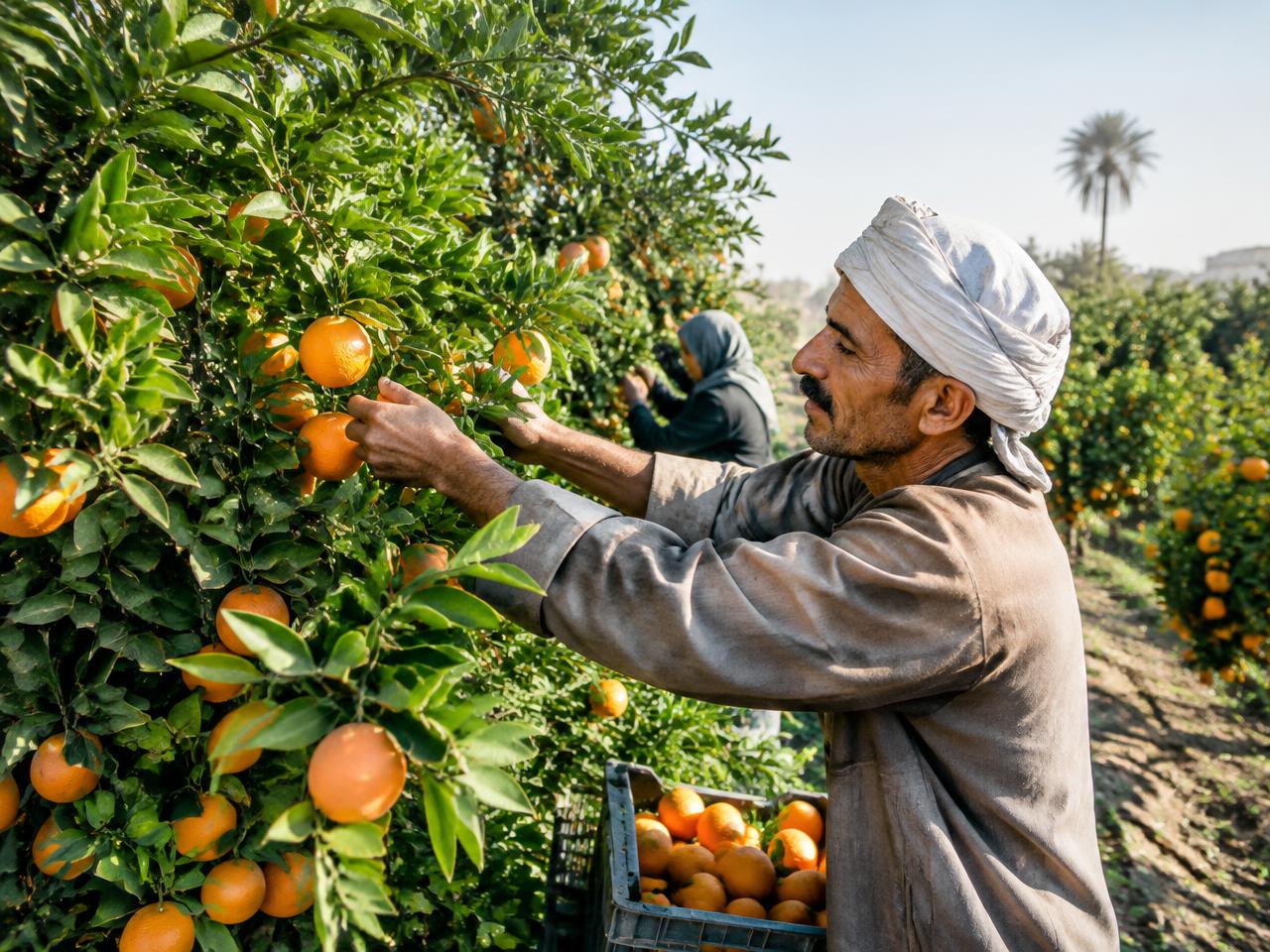
Harvesting: When and How to Pick
Harvest timing affects flavor, texture and shelf life. Picking too early weakens taste, while delay raises exposure to injury and spoilage, so each commodity has a suitable window that shifts with season and weather.
How fruit is cut matters more than how fast: a cut or drop creates an entry point for microbes and shows up as a bruise on arrival. Clean tools and gentle handling reduce losses, and Al Arabiya provides harvesting within its general export services.
Moving Produce from Field to Collection Point
Short moves within the field can be riskier than they appear: overfilled crates, rough tracks and unstable stacking cause bruises that may not show immediately. Even weight distribution and suitable containers reduce this effect.
Leaving produce in direct sun while waiting also raises its temperature quickly. Moving the crop to a shaded or cool area as soon as possible is preferable, noting that suitable temperature and humidity differ between varieties and should be confirmed by the buyer.
Receiving, Inspection and Initial Sorting
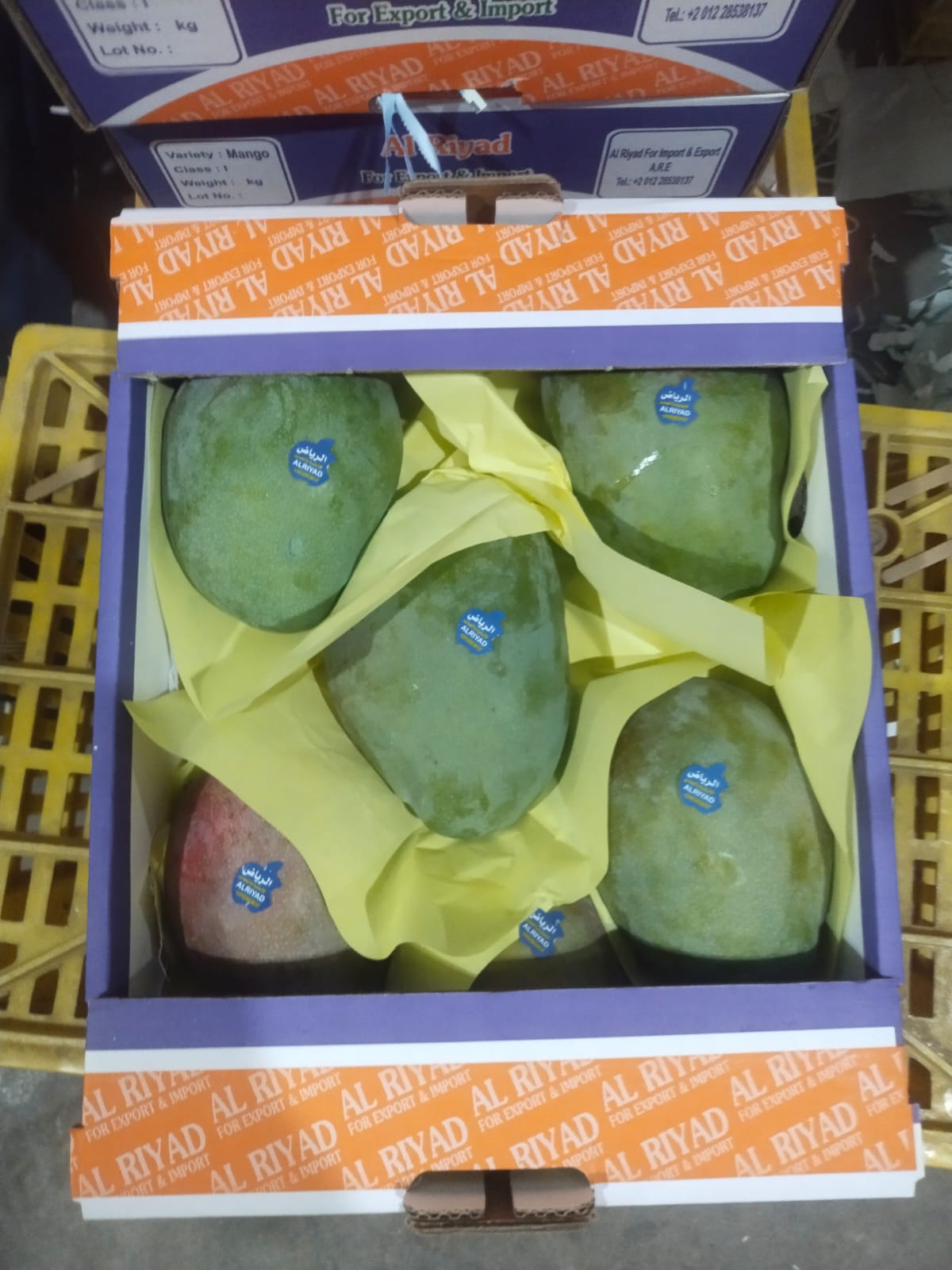
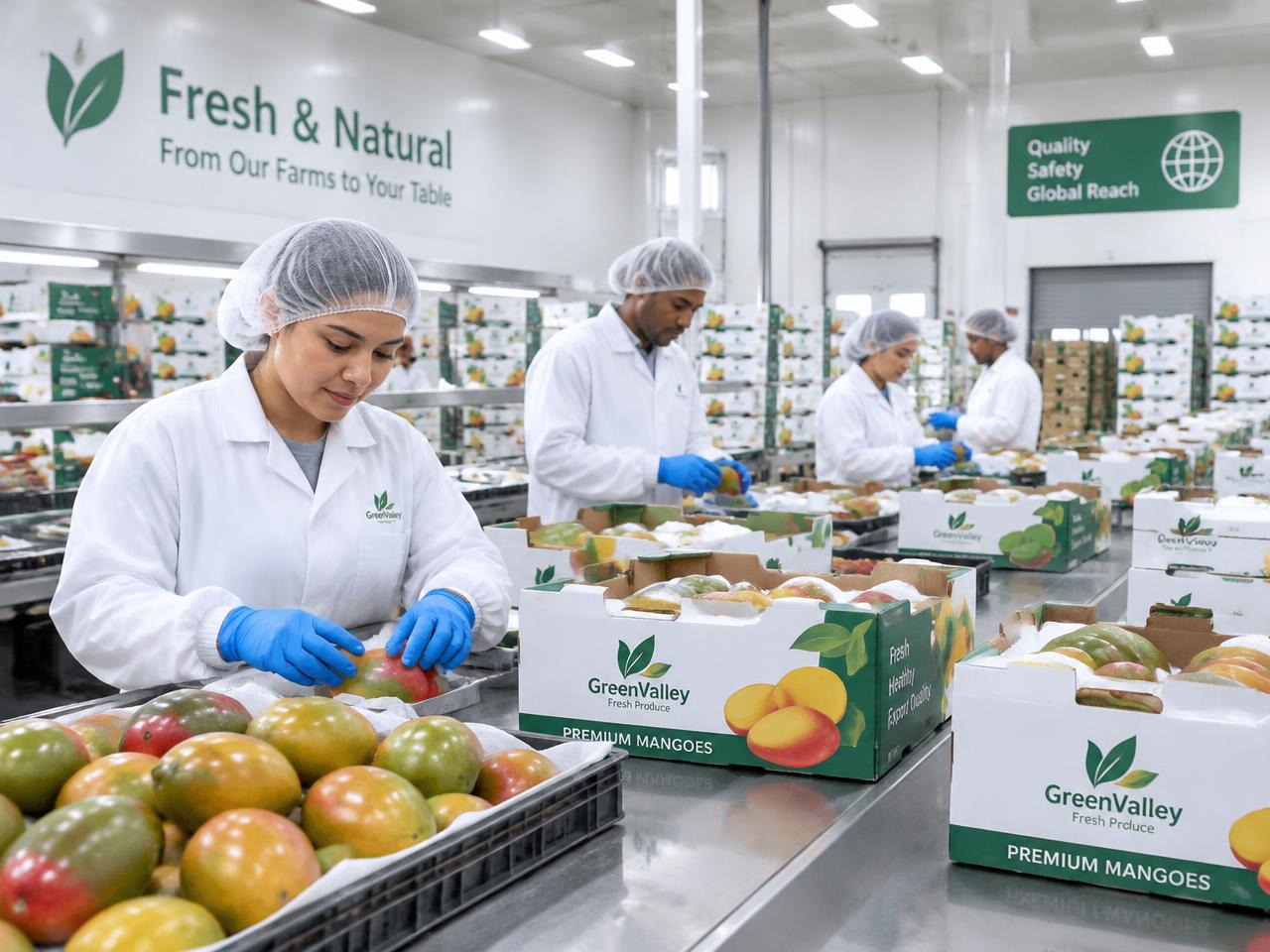
On arrival at the collection point, produce is inspected to remove damaged fruit before it is mixed into the lot. This protects the rest of the crop because damaged fruit speeds spoilage nearby, and it also reveals harvesting problems early.
Variety, lot number and receiving time are usually recorded, simple data that support traceability later. Their value becomes clear when a shipment is reviewed or a specific lot must be traced through the export chain.
Storage, Packing and Continued Care
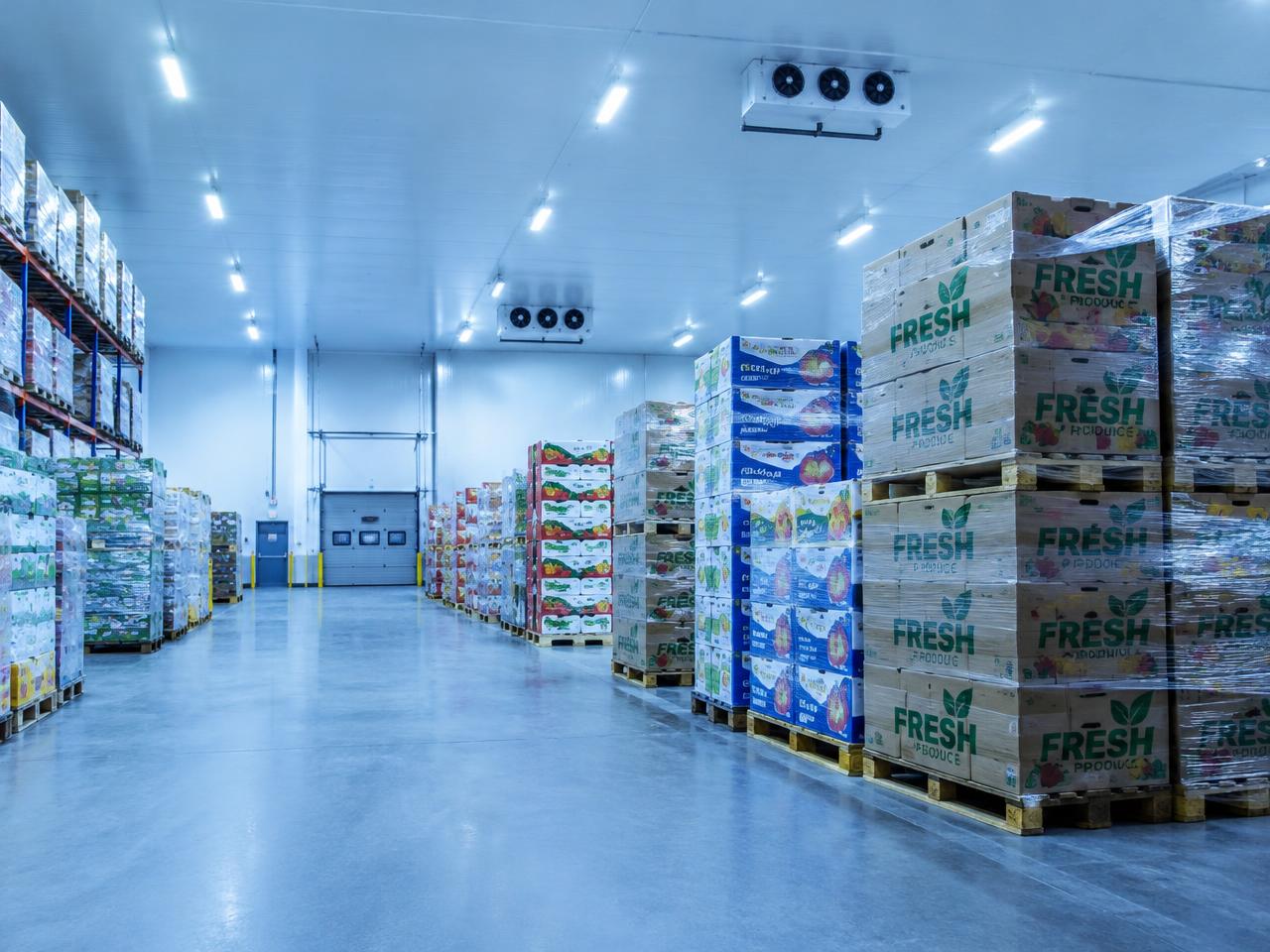
Care does not stop after sorting: storage must maintain suitable conditions and packaging must protect fruit without suffocating it. Buyers can review cold-chain principles on the /export-process page and discuss packaging details on the /packaging page.
Arrangement inside the carton and the number of layers on a pallet also affect pressure on lower fruit. Testing the stack before shipping and avoiding excess height protect quality, while exact figures remain something to confirm for each commodity.
Common Post-Harvest Mistakes a Fresh Produce Exporter Should Avoid
Frequent mistakes include mixing lots of different ages in one package, sorting in direct sun, or delaying cooling for hours after harvest. Each shortens shelf life even if the shipment looks sound at loading.
Prevention relies on simple, repeated practices: clean tools, gentle movement, shade, early cooling and lot records. You can discuss the procedures relevant to your shipment via /contact, while recognizing that details change with commodity and season.
Frequently Asked Questions
- What is the most important step right after harvest?
- Removing field heat quickly and protecting fruit from wounds; every delay speeds respiration and moisture loss and shortens shelf life.
- Why are damaged fruits removed early?
- Because they speed spoilage of neighboring fruit and raise contamination risk, and they weaken the lot's appearance at market.
- Do the same procedures suit all crops?
- No. Sensitivity to cold, humidity and pressure differs between crops, so requirements for each commodity should be confirmed with the importer.
Conclusion
Good post-harvest handling is not a single action but a chain of small habits that protect a shipment's economic value. From gentle picking to early cooling, sorting and packing, each step matters. Al Arabiya offers harvesting, storage and export services, and you can discuss your products at +20 10 63300028 to confirm suitability for each variety and season.