Planning Before Loading
Freshness begins before the shipment moves: defining expected transit time, market conditions and unloading method shapes every later decision. Each shipment needs written specifications covering variety, grade, size, weight and required conditions.
It should also be clear who monitors temperature, who keeps records and who bears responsibility for any deviation. Assigning roles in advance prevents disputes on arrival, and general coordination steps can be reviewed on the /export-process page.
Cooling and Packaging as the First Line of Defense
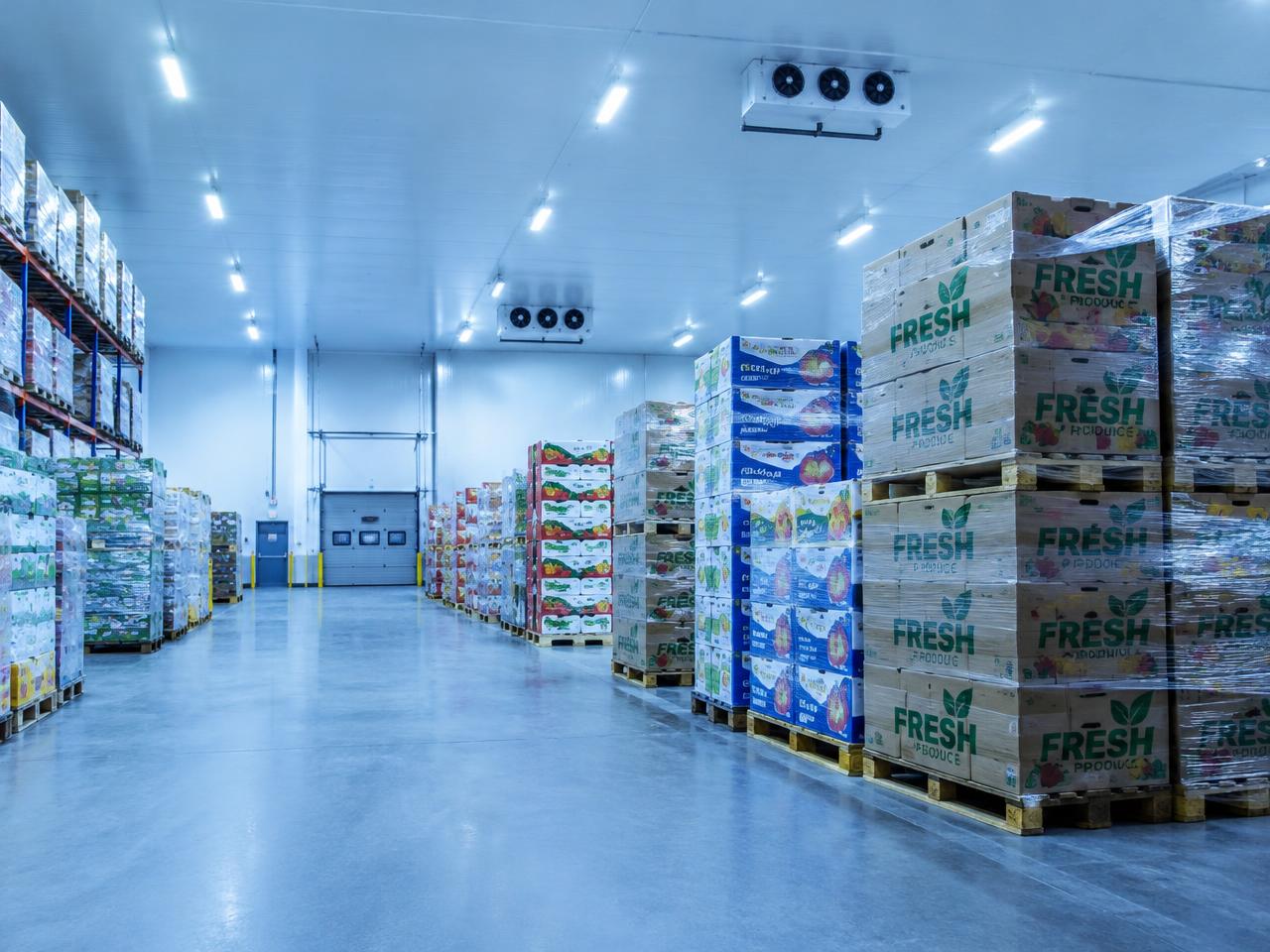
Maintaining freshness starts by bringing produce into its suitable range before the long journey and sustaining it during transport. Respiration slows under appropriate conditions, while heat speeds ripening and moisture loss.
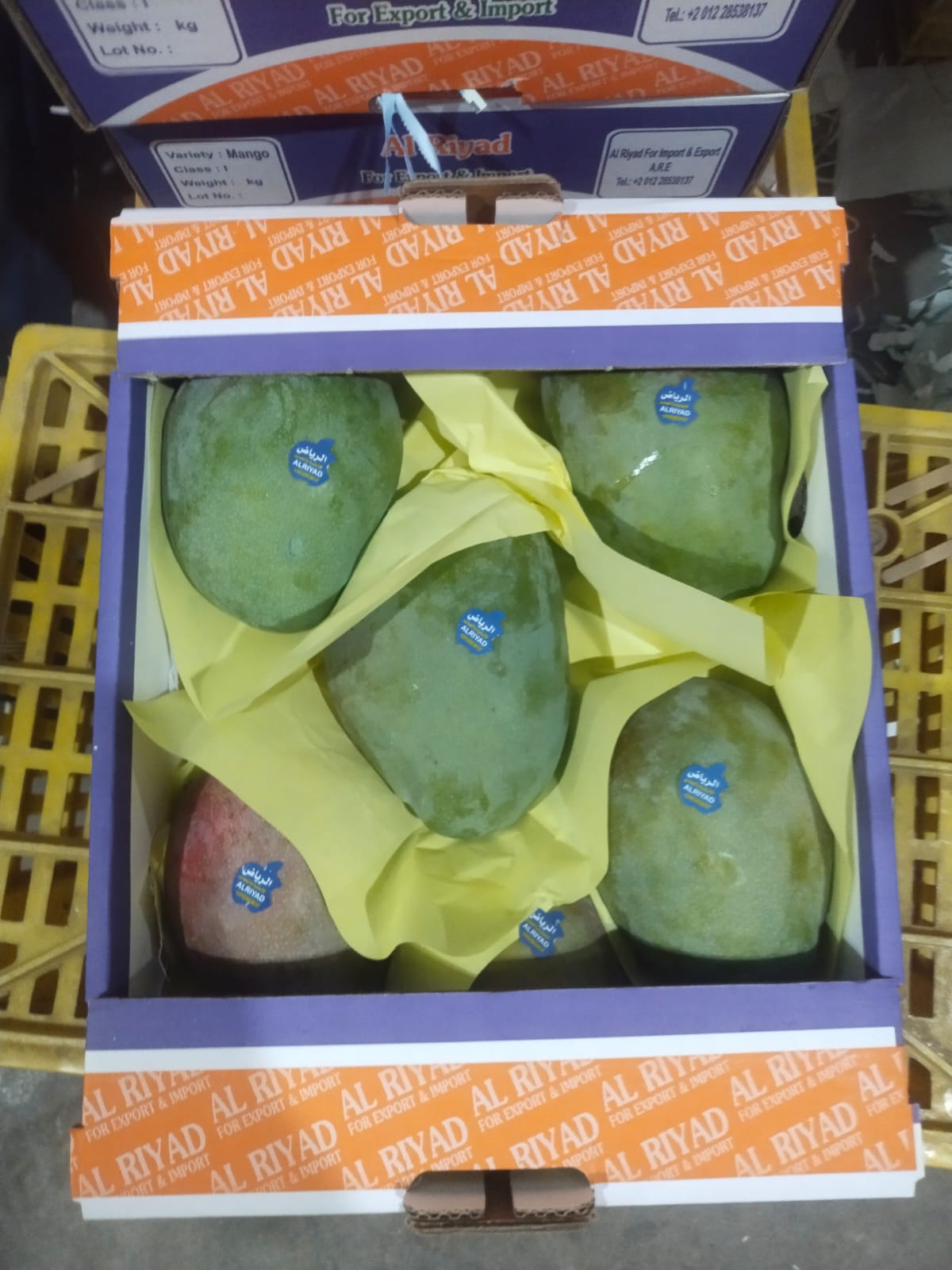
Packaging supports this by allowing airflow and shielding fruit from pressure and friction. Choosing the right carton and managing stack arrangement inside the container affect whether cooling reaches every layer; material and ventilation details are on the /packaging page.
Fruit Export Quality Standards and Specification Accuracy
A common mistake in international shipping is mixing lots of different ages or sending sizes that do not match the agreed specification. Such issues surface at the importer's inspection, so lots should be checked and documented before final loading.
Clear labeling is part of this: each carton carries variety, grade, weight, lot number and country of origin. These data help inspect and trace the shipment, and detailed requirements differ by market and should be confirmed with the importer.
In-Transit Monitoring and Documentation
Temperature recorders log conditions throughout the journey, offering a practical way to prove compliance or pinpoint when a problem occurred. Agreeing the number and location of devices before departure helps ensure the record is acceptable to both parties.
Transit time and mode differ between sea, road and air freight, each with distinct control points. Buyers should not assume the same procedures apply to every mode but should ask the supplier about details specific to their route.
Receiving: What the Importer Should Do
On arrival, the importer should review temperature records first, then inspect samples from different layers of the container. Broad sampling is better than relying on one carton, since conditions can vary near doors, in the middle and in upper layers.
Any deviation should be documented immediately with photos, measurements and records, then discussed with the supplier under the agreed procedure. A written receiving plan speeds resolution and protects both sides, and it can be prepared in advance via /contact.
Frequently Asked Questions
- What is the most important factor in maintaining freshness during shipping?
- Continuous adherence to the commodity's suitable conditions throughout the journey, supported by airflow-friendly packaging and documented temperature monitoring.
- Is a single temperature reading at arrival enough?
- No. It is better to review the full journey record and sample different layers and locations in the container to confirm conditions were consistent.
- Who defines the shipment's technical specifications?
- They are agreed between importer and supplier before loading, taking into account market requirements, commodity nature and transit time.
Conclusion
Maintaining freshness in international shipping is the result of careful planning and disciplined execution, not luck or vague promises. Start with written specifications, maintain suitable cooling, document the journey and agree receiving procedures. Al Arabiya works in export coordination and related services, and you can discuss your shipment requirements directly at +20 10 63300028 to confirm suitability for your commodity and market.